
Flow Meter Calibration Company in Zulfi
Traceable flow meter checks for plants that need dependable readings, clean documentation and work that fits site conditions in Zulfi and nearby industrial areas.
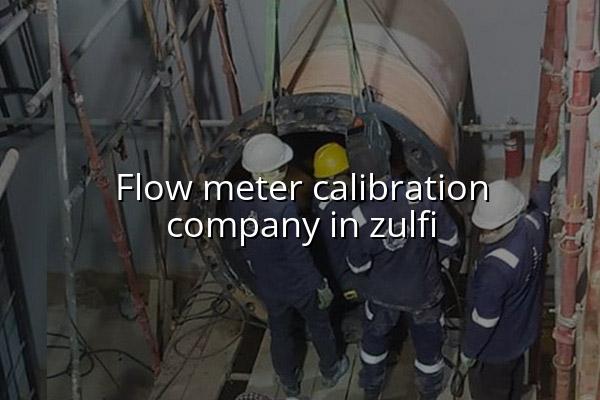
Flow meter calibration company in Zulfi searches usually come from a plant manager, maintenance engineer, or QA lead who needs a meter checked before the numbers start hurting production. We help you get readings you can trust, with traceable calibration work that fits real site conditions and the instruments you already use.
In our work across India, Saudi Arabia, and the Middle East, flow meters often sit on water lines, process skids, transfer systems, utilities, and batching operations. Some are fixed in place, some are easy to remove, and some need careful handling because the piping, media, or mounting doesn’t give you much room to work. That’s where a proper industrial calibration partner matters.
Flow meter calibration company in Zulfi for plant teams that need traceable results
When a flow meter drifts, the problem shows up in more than one place. You may see waste in process dosing, poor inventory checks, unstable batch records, or arguments between operations and accounts because the figures no longer match. A good calibration job does more than stamp a report; it tells you whether the meter is still fit for service, what error range it showed, and what needs attention next.
What we check before any calibration starts
We first look at the meter type, line size, medium, installation point, and the reason you’re calling us. A meter on clean water service doesn’t need the same handling as one on a hot process line or an outdoor utility skid. We also check the condition of the body, display, cable terminations, and any signs that the unit has been disturbed, bypassed, or exposed to moisture.
Why ISO/IEC 17025 traceability matters
For many industrial users in Saudi Arabia and the GCC, the report has to stand up in front of QA, audit, and customer review. That’s why traceability matters. Under ISO/IEC 17025:2017, the calibration chain has to be controlled, the method has to be defensible, and the result has to make sense when someone asks how the reading was established. We work that way because field teams need records they can file without rewriting them later.
- Confirm the meter details — we record the make, model, serial number, service line, and the reason for the check.
- Inspect the installation condition — we look for leakage, vibration, damaged fittings, and any issue that could distort the reading.
- Set the calibration approach — the method is chosen based on the meter type, process media, and whether onsite or in-lab work is better.
- Compare readings and document error — we compare the indicated flow against the reference method and note deviation clearly.
- Issue findings and next steps — you get a report that supports maintenance planning, quality records, and return-to-service decisions.
- Helpful for water networks, process skids, batching systems, and utility lines
- Suitable for site checks where removal would interrupt production
- Supports QA records, maintenance reviews, and customer audits
- Can be paired with related instrument calibration and testing on the same visit
- Useful when the meter has shown drift after service, repair, or shutdown
Flow meter types we commonly see and how the work is approached
| Meter Type | Typical Use | Calibration Focus |
|---|---|---|
| Magnetic flow meter | Water, slurry, and process fluids | Signal stability, zero check, and output comparison |
| Ultrasonic flow meter | Large pipelines and utility systems | Clamp-on alignment, installation condition, and reading verification |
| Vortex flow meter | Steam, gas, and process applications | Flow range response, mounting condition, and indication check |
| Positive displacement meter | Liquids that need direct volume measurement | Repeatability, leakage signs, and mechanical wear review |
Onsite service, in-house checks, and pickup support for special conditions
Not every flow meter should be dragged out of service just to get a test done. If the unit is mounted on a live system, or if the media and environment call for controlled handling, we plan the job around that reality. Our temperature-controlled in-house laboratory helps when special conditions are needed, and our mobile calibration lab supports onsite work where shutdown time is tight.
Where this helps most
Teams in manufacturing, oil and gas, petrochemical, cold chain, food and beverage, and power often need one provider who can handle the instrument check and the related maintenance work around it. We’re used to that mix. A site visit may include flow meters, pressure instruments, temperature devices, and supporting mechanical checks so the same shutdown window does more useful work.
Why teams call us back
They want straight answers. They need a report that matches the serial number, a team that can work around plant access rules, and people who understand that a calibration job is part of production control, not a side task. That’s how we operate in Chennai, Dammam Industrial City 2, and project locations across the region.
What to prepare before flow meter calibration at your site
A little preparation saves time and avoids confusion once the team arrives. If the meter is hard to isolate, if the line carries a hazardous medium, or if there are access permits needed for the skid area, tell us early. That lets us plan the tools, reference equipment, and job sequence properly.
It also helps to share the operating range, fluid type, pipe size, and whether the meter has shown sudden drift or just gradual deviation over time. A meter that changed after maintenance needs a different review from one that has slowly moved out of tolerance over six months. We see both cases often.
Common signs the meter needs attention
If the reading jumps, the totalizer behaves oddly, the line balance doesn’t make sense, or you’re seeing repeated disagreements between shift logs and production records, don’t wait for the next audit. Small errors become larger when they’re left alone. In our experience, the second inspection after a bad reading is usually when the real issue becomes clear: fouling, installation problems, wear, or a failed pickup signal.
- Share the meter model and serial number before the visit
- Confirm the process media, flow range, and pipe size
- Tell us if shutdown, hot work, or access permits are needed
- Keep previous calibration records ready for comparison
- Flag any leak, vibration, corrosion, or display fault immediately
How Mayon Industrial Services Can Help
We support flow meter calibration with the same practical approach we bring to other industrial work: careful inspection, traceable measurement, and a report that your maintenance or QA team can use. If your job in Zulfi needs onsite support, lab handling, or follow-up work alongside related instruments, our calibration, mechanical, inspection, and engineering teams can line it up sensibly.
Call +91 99447 80844 (India) or +966 59 633 8012 (Saudi Arabia), email services@mayonservices.com, or message us on WhatsApp.
Frequently Asked Questions
Usually it’s a plant engineer, maintenance supervisor, or QA manager who needs the meter readings checked before they create a bigger problem. If you’re managing transfer quantities, process dosing, or utility consumption, a traceable check helps you know whether the meter is still giving usable data.
Yes, in many cases it can. Onsite work is often the better option when the meter is hard to remove, the line is part of production, or access is limited. We’ll look at the meter type and site condition first, then decide whether onsite or in-lab handling makes more sense.
You should expect a calibration report with the meter identification details, method used, results observed, and the findings from the check. That record is what your team can keep for QA, audit review, maintenance planning, and future comparison.
We see demand from oil and gas, petrochemical, power, manufacturing, water systems, cold chain, and food and beverage sites. These sectors depend on stable readings because a drifted meter can affect inventory, batching, compliance records, and process control.
That depends on service severity, process risk, and your internal quality rules. A meter in clean, stable service may be checked on a different schedule from one exposed to vibration, heat, fouling, or frequent maintenance. If the reading starts changing or the process record looks suspicious, don’t wait for the next planned interval.
Yes, and that’s often the smarter way to work. If your shutdown window is short, we can coordinate calibration, inspection, mechanical support, or other instrument checks around the same visit so you get more done with less disruption.
Ready to check the meter before the numbers drift further?
If you need a practical calibration partner for Zulfi or a nearby industrial site, reach out and we’ll help you plan the work cleanly.
Contact MayonChoosing the right calibration partner saves time, keeps records clean, and makes the next maintenance decision easier. For flow meter work in Zulfi, Mayon Industrial Services brings the measurement discipline, site awareness, and industrial experience you’d expect from a team that does this every day.