
Gas Detector Calibration Company in Dammam Industrial City 2
Traceable gas detector calibration for Saudi industrial sites, with onsite and lab support for safety-critical operations.
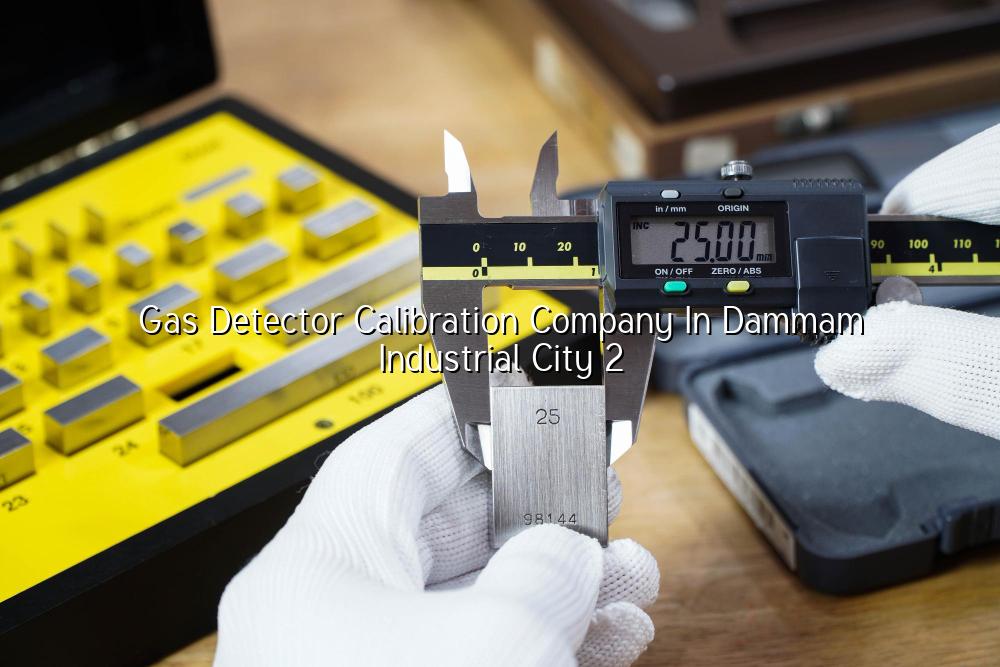
Gas detector calibration company in Dammam Industrial City 2 searches usually come from safety teams who need a calibration partner they can trust before a shutdown, permit-to-work, or routine inspection. We help you get gas detection equipment checked against known references so alarms, sensors and bump-test expectations stay dependable on site.
At Mayon Industrial Services, we work with plants across Saudi Arabia and the wider Middle East that rely on fixed and portable gas detection in oil & gas, petrochemical, power, manufacturing and cold-chain facilities. Our team supports ISO/IEC 17025:2017 traceability through our calibration workflow, with onsite service, mobile lab support and pick-up for instruments that need special handling.
What a Gas Detector Calibration Company in Dammam Industrial City 2 Should Cover
Gas detector calibration is more than a quick functional check. A proper service looks at sensor response, zero and span behaviour, alarm activation, display accuracy, battery condition where relevant, and the way the unit behaves under controlled test gas. On industrial sites in Dammam, Jubail and the Eastern Province, that matters because detectors are often used around hydrocarbons, H2S, solvent vapours, confined spaces and process areas where a missed alarm can stop work or put people at risk.
Why plants ask for documented traceability
Most QA, HSE and maintenance teams need records they can file during internal audits, contractor reviews and client inspections. If your detector is used in a permit system, the calibration record should make it clear what was tested, what reference was used and whether the unit passed or needs repair. That’s the practical side of traceability. It saves arguments later.
Portable and fixed systems are not treated the same
Portable gas detectors are often handled, bumped and stored in different ways from fixed-area transmitters. We see both in Saudi plants. Fixed systems may need site coordination, safe access, loop checks or commissioning support, while portable units may need bench calibration, sensor replacement, or verification after exposure to contaminants. A good service company understands that difference instead of treating every detector like the same box.
- Review the detector type — confirm whether it is portable, fixed, single-gas or multi-gas, and check the target gas and measurement range.
- Inspect the unit first — look for damaged housings, sensor contamination, blocked inlets, battery issues and worn accessories before calibration starts.
- Apply the correct reference gas — use the appropriate span gas and test method for the detector model and intended use.
- Verify alarms and response — check audible, visual and vibration functions where fitted, then record pass/fail results for each point.
- Ask for calibration records that clearly match the detector serial number.
- Keep a register of bump-test dates, calibration dates and sensor replacements.
- Separate service needs for toxic gas, oxygen deficiency and combustible gas detection.
- Use onsite calibration where shutdown time is tight and removal is hard.
Typical Gas Detector Service Needs by Worksite
| Worksite type | Common detector use | Service focus |
|---|---|---|
| Oil & gas process area | H2S, LEL and oxygen monitors | Span check, alarm verification, sensor condition review |
| Confined space entry team | Portable multi-gas detectors | Pre-use bump test, battery check, record keeping |
| Chemical or petrochemical plant | Fixed gas detection network | Loop checks, calibration, transmitter review and commissioning support |
| Warehouse or utility area | Single-gas safety monitors | Functional verification, sensor replacement, documentation for audits |
How Calibration Supports HSE, QA and Maintenance Teams
When a detector is overdue or poorly documented, the problem spreads fast. HSE teams lose confidence, maintenance gets pulled into rechecks, and procurement starts chasing the history. A clean calibration record reduces that back-and-forth. It also helps during contractor onboarding, especially in Saudi industrial zones where client audit requests can be strict and detailed.
Why response checks matter in the field
We’ve seen detectors that still power up but don’t react properly to test gas because the sensor is tired, fouled or simply out of tolerance. That can happen after exposure to dust, humidity, solvent vapours or long storage. A calibration visit catches that early. Better to find it on the bench than during a hot work permit or tank entry.
Onsite support for active Saudi sites
For many teams in Dammam Industrial City 2, pulling every detector out of service isn’t practical. Our mobile calibration lab and field setup help you keep the work moving while still checking instruments properly. If a unit needs special conditions, we can arrange pick-up and delivery from our service network.
Signs Your Gas Detector Needs Attention Now
Some issues are obvious. Others hide until the detector is tested properly. A weak alarm speaker, drifting zero, delayed response or an error code after warm-up can all point to a sensor or internal fault. If the detector has been dropped, exposed to a high concentration event, or kept in a locker for months, don’t assume it is still fit for use just because the screen lights up.
In practice, plants often send equipment for calibration after a pre-startup check, an internal audit, or a near-miss review. That pattern is sensible. It’s cheaper to fix a bad detector line by line than to find out the hard way during live work.
- The detector takes too long to stabilise after power-up.
- Readings drift when the unit is left in a standby area.
- Alarm activation is inconsistent during test gas exposure.
- There’s visible dust, moisture ingress or sensor contamination.
Related Services That Often Go Together
Gas detection work rarely sits alone. Many of our customers also need electrical testing and commissioning, temperature mapping for storage areas, inspection of lifting equipment, or mechanical services around shutdowns and turnarounds. If your site is building or upgrading a lab, we can also help with lab design and setup so your internal team can manage more instruments in-house.
Where the link to compliance shows up
Calibration records, inspection reports and commissioning notes often end up in the same project file. When those documents are prepared consistently, audits move faster and fewer questions come back. That is useful in Saudi Arabia and across GCC projects where the client wants clear evidence, not loose statements.
One team for instruments and site work
We support calibration, condition monitoring, orbital welding, inspection and repair services under one roof. That helps when your shutdown scope touches gas detectors, pumps, electrical panels and mechanical assemblies at the same time. You deal with one technical team instead of chasing five different vendors.
How Mayon Industrial Services Can Help
We calibrate gas detectors for industrial clients who need dependable readings, clear records and service that fits site reality. If you need onsite checks in Dammam Industrial City 2, support for fixed and portable units, or a better calibration plan for your safety devices, our team can help you sort it out without slowing the job.
Call +91 99447 80844 (India) or +966 59 633 8012 (Saudi Arabia), email services@mayonservices.com, or message us on WhatsApp.
Frequently Asked Questions
We support customers in Dammam Industrial City 2 and the surrounding Eastern Province with onsite and lab-based calibration services. If your detectors need special handling, we can arrange the right service path instead of asking you to force everything through one method.
The right interval depends on the detector type, the gas environment, how often the unit is used and your site procedure. Many plants tie calibration to their internal safety plan and audit schedule, with extra checks after exposure, repair or sensor replacement.
Yes. Portable units are usually handled differently from fixed gas detection systems, so we assess the application first and choose the right method. That may include bench calibration, onsite verification, loop checks or commissioning support, depending on what your site needs.
Yes, we provide documentation tied to the instrument and the work carried out. That helps your QA, HSE and maintenance teams keep a clear history for internal reviews, client audits and contractor files.
Yes. We often work alongside shutdown planning, permit control and maintenance teams so detector checks fit the job sequence. That’s useful when the plant has a tight work window and safety devices have to be ready before activities restart.
Ready to put your gas detector checks on a proper schedule?
If your site in Dammam Industrial City 2, Saudi Arabia or the Middle East needs calibration support you can document and trust, speak with our team and get the service plan started.
Contact Mayon