
Gas Detector Calibration Company in Marjan
Onsite verification, traceable results, and practical support for gas safety teams working in Marjan.
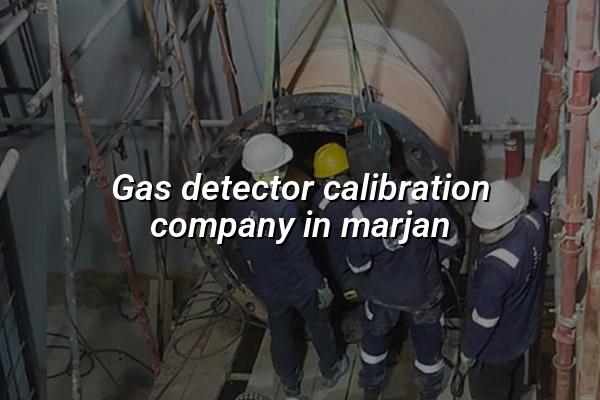
Gas detector calibration company in Marjan support starts with one simple goal: make sure the detector you trust really responds when gas is present. We help you verify readings, sensor response, alarm points, and overall condition so your crew can rely on the instrument during daily work, shutdowns, and permit-to-work checks.
Our team works with oil, gas, and industrial clients who need practical, traceable calibration support in Saudi Arabia and the wider Middle East. In Marjan, that usually means portable units, fixed gas detection loops, and site-critical safety systems that cannot be treated like ordinary instruments.
Gas Detector Calibration Company in Marjan for Site Reliability
Gas detection is only useful when the instrument is still honest. That is why calibration has to be done with the right gas, the right procedure, and a proper record trail that your HSE team can stand behind. We handle calibration for combustible, toxic, and oxygen-monitoring devices, and we look at the full instrument condition, not just the number on the screen.
What site teams usually ask us to check
Most requests from Marjan and nearby industrial areas come from maintenance supervisors, safety officers, and contractors who need proof that detectors respond correctly before the job starts. We commonly see portable single-gas units, multi-gas detectors, and fixed detectors tied into shutdown or alarm systems. If the device is being used in hydrocarbon areas, enclosed spaces, or hot work zones, the margin for error is small.
Why traceability matters on oil and gas sites
When a detector trips, nobody wants a debate about whether the instrument was last checked properly. Traceable calibration helps you show that the test method, reference equipment, and recorded results were controlled. That matters in Marjan, and it matters across Saudi Arabia where site auditors and client representatives expect clean evidence, not verbal assurances.
- Review the instrument type — we confirm whether it is a portable detector, a fixed head, or part of a larger safety loop.
- Check the sensor condition — we look for drift, overdue service, contamination, or signs that the sensor is nearing replacement.
- Carry out calibration and response checks — we verify the detector against controlled reference conditions and compare results to acceptable limits.
- Record the outcome clearly — you get documentation that can be filed with maintenance, QA, or HSE records for audit use.
- Portable and fixed gas detectors can be handled under one service plan.
- Sensor response, alarms, and visual condition should all be checked together.
- Instruments used in confined spaces need extra attention before issue.
- A clean calibration record helps during shutdown, permit, and audit reviews.
Common Gas Detector Checks for Marjan Sites
| Detector Type | Typical Use | Calibration Focus |
|---|---|---|
| Portable multi-gas detector | Confined space entry and daily field use | Sensor response, alarm points, bump test history, and general condition |
| Portable single-gas detector | Task-specific monitoring for one gas | Correct gas response, zero check, and warning/alarm verification |
| Fixed gas detector | Permanent protection in process areas | Loop checks, alarm output, sensor stability, and panel interface |
| Oxygen monitor | Areas where safe breathing atmosphere must be confirmed | Low and high alarm function, drift control, and sensor health |
Why Marjan Teams Ask for Onsite Calibration
Onsite service saves time, but more than that, it keeps the detector in the environment where it actually works. We see fewer misunderstandings when the calibration is done near the point of use, especially for fixed detectors installed across plants, tank areas, and utilities where removal would mean extra downtime.
Mobile service fits real shutdown schedules
Our mobile calibration capability helps when instruments need attention without being sent away from site unnecessarily. For special storage or controlled handling needs, we can also arrange pick-up and delivery. That mix matters when a plant is balancing production pressure, HSE requirements, and a tight maintenance window.
Practical checks, clear paperwork
We keep the focus on working instruments, sensible test method selection, and records that are easy for your team to file. No drama. Just the information your maintenance or safety manager needs.
How the Calibration Process Usually Runs
Every site is a little different, but the service path is usually straightforward. We start by identifying the detector model, gas type, and application, then we decide whether calibration can happen onsite or whether the unit needs lab handling. For teams in Marjan, that practical sorting step saves time and avoids sending the wrong instrument down the wrong route.
We also pay attention to environmental factors. Dust, humidity, heat, and routine field exposure can all affect sensor behaviour. A detector that looks fine in storage may behave differently once it is back in the process area, so the inspection step is never rushed.
- Log the detector details — model, serial number, gas type, and last service history are checked first.
- Inspect the housing and sensor — we look for damage, contamination, blockage, or signs of wear.
- Perform the calibration checks — the detector is tested against the chosen reference and alarm performance is verified.
- Issue the record and advise next action — we flag any unit that needs repair, re-sensoring, or closer monitoring.
- Calibration should match the detector’s actual gas application.
- Alarm and signal checks matter as much as the display reading.
- Record keeping helps maintenance teams track drift and sensor ageing.
- Fixed systems need both field verification and panel-side attention.
How Mayon Industrial Services Can Help
We support gas detector calibration with the same working style we use for ISO/IEC 17025:2017 calibration, inspection, and industrial maintenance work. If you need onsite verification in Marjan, help with fixed gas detectors, or support for related maintenance and commissioning tasks, our team can handle the job with the right documentation and a practical site mindset. You can also bring us in for broader plant support when detectors sit alongside mechanical, electrical, or safety-critical systems.
Call +91 99447 80844 (India) or +966 59 633 8012 (Saudi Arabia), email services@mayonservices.com, or message us on WhatsApp.
Frequently Asked Questions
The interval depends on the instrument type, the site’s internal maintenance plan, and the detector’s exposure history. For busy oil and gas sites, we usually see teams combine routine bump checks with scheduled calibration so drift is caught early. If the detector has been exposed to dust, heat, or a recent alarm event, it should be checked sooner.
Yes, we can support onsite checks for fixed gas detectors where site access and system layout allow it. That usually includes sensor verification, alarm checks, and a review of the associated panel or loop. It is often the better choice for process areas because it avoids unnecessary removal and keeps the protection system in place.
We usually need the detector model, serial number, gas type, and a quick note on where it is used. If you have the last service record, that helps too. It gives us a cleaner starting point and helps the team decide whether the unit is suitable for onsite work or should be handled differently.
Yes, both. Portable multi-gas detectors are common in confined space and maintenance work, while single-gas units are often used for a specific hazard like oxygen, H2S, or combustible gas monitoring. We treat each one according to its use, because a detector used every day in the field behaves differently from one kept in a controlled store.
We can inspect the unit, check for contamination or sensor problems, and advise whether it needs repair, sensor replacement, or further evaluation. We do not just hand back a failed result and leave you with the problem. The idea is to help you get the instrument back into service the right way.
Because it gives you a stronger traceability chain and a more controlled calibration process. That matters when your records may be reviewed by client QA, HSE, or project teams. For industrial sites in Saudi Arabia, especially in oil and gas work, that kind of documentation is often expected.
Ready to put the detector check on a proper schedule?
If your team in Marjan needs reliable calibration support, get in touch and we’ll help you plan the right service route for the instruments on site.
Contact Mayon