
Hydrotesting Service Company in Dammam Industrial City 2
Onsite pressure testing support for industrial projects, shutdowns and maintenance teams working in Dammam and nearby Eastern Province sites.
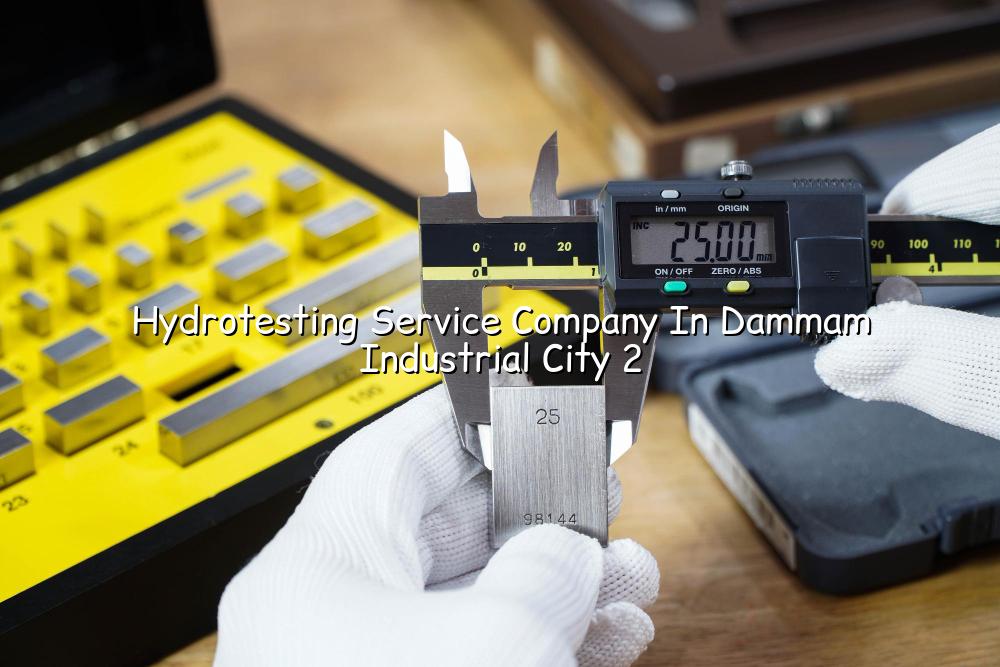
Hydrotesting service company in Dammam Industrial City 2 searches usually come from teams that need a pressure test done properly, with clear records and no drama at handover. That’s exactly the sort of work we handle for pipelines, manifolds, pressure vessels and associated piping systems.
From our Saudi Arabia operations in Dammam Industrial City 2, we support oil and gas, petrochemical, power and manufacturing sites that expect traceable results and practical field coordination. We also work across India and the wider Middle East, so your maintenance schedule, shutdown plan or project closeout stays in one lane.
What a Hydrotesting Service Company in Dammam Industrial City 2 Should Cover
A good hydrotest is never just about pumping water and waiting. You need the right blanking arrangement, a sensible test medium, calibrated gauges or pressure instrumentation, controlled pressurisation and a clear acceptance record for the engineer who signs off the job. In our experience, many site delays start when the test scope is vague, not when the pressure rises.
Where hydrotesting fits in the project cycle
We’re often called after fabrication, during commissioning, or before a maintenance shutdown is handed back. In Dammam Industrial City 2, that can mean work around process units, utility skids, transfer lines and fabricated assemblies that need proof of integrity before they go live. The pace is usually tight, but the paperwork still has to be clean.
What makes the result trustworthy
Traceability matters. The test pressure, duration, instrument condition and inspection notes should all line up, and the people reading the gauges need to know what they’re looking at. For that reason, we keep the setup disciplined and tie the work back to ISO/IEC 17025:2017 calibration discipline where measurement control is part of the job.
- Confirm the test scope — identify the line, vessel or manifold, the design pressure, the medium, and any isolation points before equipment arrives.
- Prepare the system — isolate sensitive components, install blanks or test fittings, and check that vents and drains are available for safe filling and dewatering.
- Pressurise in stages — increase pressure in controlled steps, watch for leaks, and stop if the system behaves in a way that needs investigation.
- Hold and record — maintain the test at the agreed level, note readings, inspect joints and seals, then issue the documentation the site team needs.
- Use calibrated gauges, comparators and test accessories so readings are traceable.
- Keep water quality, venting and drainage under control to avoid false readings and cleanup issues.
- Plan around shutdown windows in Eastern Province facilities, not after the crew is already on site.
- Match the test method to the asset, because a piping spool and a pressure vessel don’t get handled the same way.
Typical Hydrotesting Work Scope and Control Points
| Asset Type | What We Check | Why It Matters |
|---|---|---|
| Pipelines and transfer lines | Isolation, vents, leak points, pressure holding behavior | Confirms the line can sustain the required test without unexpected loss |
| Pressure vessels | Nozzle integrity, flange sealing, safe filling and drainage | Reduces the chance of hidden leakage during commissioning or restart |
| Manifolds and skids | Connections, valves, fittings and temporary test arrangement | Keeps fabrication issues visible before the skid enters service |
| Process piping systems | Segment boundaries, test medium suitability, documentation | Helps the site team sign off the work with clear evidence |
Why the Setup Matters as Much as the Pressure
Hydrotesting is unforgiving of shortcuts. A rushed isolation arrangement, a loose temporary connection or a gauge with no clear calibration status can waste hours and create avoidable risk. That’s why we treat the setup like part of the test, not a side task.
Onsite work needs real coordination
In Saudi industrial zones and on GCC sites, access windows can be tight and work permits are often tied to other trades moving at the same time. We coordinate with your maintenance or project team so the hydrotest fits around mechanical completion, inspection and commissioning activity without turning the area into a bottleneck.
Built for Site Conditions, Not Just the Lab
We have a temperature-controlled in-house laboratory and a fully equipped mobile calibration lab, which helps when pressure instruments, gauges or accessories need verification before the test. For special conditions, pick-up and delivery can be arranged so the job stays moving.
More Than One Pressure Test When the Job Needs It
Many clients don’t need hydrotesting alone. They need the surrounding mechanical work too — flange facing, bolt torquing, hydrotest manifolds, temporary connections, or repair support on pumps and hydraulic equipment. We’re set up for that mix, which saves you from juggling three contractors for one shutdown task.
Useful for shutdowns and project closeout
That matters in places like petrochemical units, power plants and cold-chain facilities where a test result is only part of the story. The rest is keeping the work package tidy enough for QA, operations and the end user to accept without back-and-forth.
Where this service fits best
We see strong demand from oil & gas, petrochemical, manufacturing and engineering clients, especially when the job involves pressure integrity checks before startup. If you also need calibration, inspection, or orbital welding support, we can align those scopes under one plan.
How to Choose the Right Hydrotesting Partner in Dammam
When procurement asks us what to look for, we keep it simple. Ask who will bring the equipment, who will verify the measuring devices, who will write the report, and who stands behind the result if the client or main contractor asks for more detail later. If those answers stay vague, the job usually becomes harder than it should be.
What engineers usually check first
Most engineers start with the asset list and the drawing package. They want to know whether the contractor understands the boundaries, the test medium and the risk points, especially on systems with sensitive instruments or mixed materials. That’s sensible. It prevents a lot of rework.
How we approach repeat work
For recurring maintenance scopes, we keep the approach practical and steady. The team knows how to move through industrial sites in Dammam, Chennai and other parts of the Middle East without creating noise or confusion. That helps when your operations team needs reliable support more than a long sales pitch.
- Review the drawings — confirm the exact line list and test boundaries before site mobilization.
- Check the instrumentation — ensure gauges, comparators and accessories are suitable for the required pressure range.
- Align the permit plan — match the work to site access, safety controls and the shutdown sequence.
- Close with documentation — keep the report, readings and sign-off package together so acceptance is straightforward.
- Ask for traceable measurement control, not just a verbal confirmation that the gauges are fine.
- Check whether the team can support onsite work in Dammam Industrial City 2 and nearby Eastern Province locations.
- Make sure reporting is clear enough for your QA, operations and client representatives to review.
- Confirm the contractor can coordinate hydrotesting with mechanical, inspection and commissioning activity.
How Mayon Industrial Services Can Help
We handle hydrotesting alongside calibration, mechanical services, inspection, orbital welding and lab setup, so you’re not coordinating a different contractor for every stage of the job. If your package also needs pressure instrumentation support, we can keep the measurement side under control and tie it back to the testing scope. For sites in Dammam Industrial City 2, that kind of practical coordination usually saves time and keeps the paperwork cleaner.
Call +91 99447 80844 (India) or +966 59 633 8012 (Saudi Arabia), email services@mayonservices.com, or message us on WhatsApp.
Frequently Asked Questions
Mayon Industrial Services supports hydrotesting for industrial clients working in Dammam Industrial City 2 and the surrounding Eastern Province. We handle the pressure-testing scope with a practical field setup, clear records and coordination with your maintenance or commissioning team. If you also need related mechanical or calibration work, we can align that too.
A normal hydrotest includes system preparation, isolation, filling, controlled pressurisation, hold-period observation and documented readings. The exact sequence depends on the asset type, the test medium and the site’s permit rules. We always recommend confirming boundaries and instrumentation before the crew starts.
Yes, onsite hydrotesting is common for industrial sites in Saudi Arabia, especially where equipment is too large or too integrated to move. We work with site teams to suit shutdown windows, access rules and safety requirements. The key is planning the isolation and test setup carefully before mobilisation.
Yes. Measurement control is part of the job, especially when the client wants traceable readings and a clean handover file. We use our calibration capability to support the testing scope, which helps when the documentation has to stand up to QA review or client verification.
We most often see requests from oil & gas, petrochemical, power, manufacturing and engineering teams. Cold-chain and food facilities sometimes need related pressure or integrity checks on process equipment too. The common thread is simple: they need a reliable test before start-up, restart or final acceptance.
Ready to get the test signed off properly?
If you need hydrotesting, calibration or mechanical support for a live site in Dammam Industrial City 2, talk to our team and we’ll help you plan the next step.
Contact Mayon