
Inspection Lab Setup Consulting in Diriyah
Plan a Diriyah inspection lab that supports traceable work, safe workflows and cleaner commissioning decisions from day one.
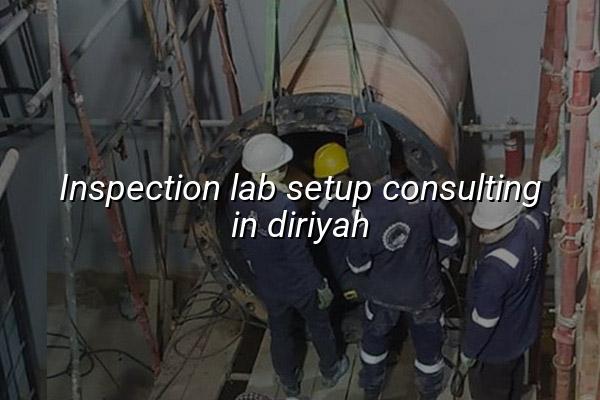
Inspection lab setup consulting in Diriyah helps you turn a blank room, shell space or retrofit area into a lab that supports real inspection work without guesswork. If you need a layout that makes sense for lifting gear checks, NDT support, PPE inspection and incoming equipment control, we can help you map the space before you buy the wrong benches or test stations.
We work with industrial teams in Saudi Arabia and the wider Middle East that need practical lab planning, traceable workflows and equipment choices that fit ISO/IEC 17025 thinking from the start. In our experience, the expensive mistakes happen before commissioning, not after, so the first decisions matter.
Inspection Lab Setup Consulting in Diriyah for Working Teams
A good inspection lab has to do more than look tidy. It needs space for intake and tagging, controlled storage, safe movement of instruments, clear separation between clean work and dirty work, and enough room for verification tools, records and test equipment. For facilities in Diriyah serving oil and gas, petrochemical, power, construction and manufacturing clients, those small layout choices affect how smoothly the lab supports site inspections and whether the work can stand up to audit questions later.
What we usually review first
We start with the job list, not the furniture list. That means we ask what the lab will actually inspect, which standards apply, what sample flow looks like, and whether the team will support onsite work as well as in-house testing. If the site also needs a mobile response from Dammam Industrial City 2 or support from India for equipment planning, we can shape the setup around that operating model.
How the space should behave
Good inspection spaces keep people from crossing paths with tools, records and unfinished work. They also make it easier to control calibration status, quarantine rejected items and keep evidence with the right job. That matters when you're handling lifting accessories, PPE checks, NDT support items or service equipment that will later need traceable documentation under ISO/IEC 17025:2017 or ISO 9001:2015 processes.
- Review the scope — list the inspection categories, sample volume and the equipment families the lab will support.
- Map the workflow — define intake, identification, testing, recording, storage and dispatch so the route is clean and short.
- Choose the right utilities — check power, lighting, compressed air if needed, network points and any temperature or dust controls.
- Set the equipment and document control — place benches, gauges, reference items, labels and records so the team can work without hunting for things.
- Separate receiving, inspection and release areas to avoid mix-ups.
- Keep calibration status visible on every critical reference item.
- Plan storage for lifting gear, PPE, instruments and damaged items in different zones.
- Leave room for future scopes instead of filling every square metre on day one.
Reference Points for an Inspection Lab in Diriyah
| Area | What to check | Why it matters |
|---|---|---|
| Receiving bay | Space for intake, tagging and quarantine | Stops unidentified items from entering active work areas |
| Inspection benches | Lighting, height, access and layout | Helps the team work accurately and safely during repeated checks |
| Records zone | Document storage and label control | Keeps traceability connected to each job and item |
| Reference storage | Controlled racks, protection and status control | Protects tools and supports reliable inspection decisions |
Why the Layout Has to Support Traceability
Inspection labs are judged by more than the final report. The route from incoming item to released result has to make sense, because that is what supports traceability, repeatability and cleaner audit conversations. A well-planned Diriyah lab also reduces the chance of rework when you expand into related work such as NDT support, lifting-equipment inspection or PPE inspection to BS EN standards.
Practical design choices we keep an eye on
We look at circulation paths, bench positions, shelving, instrument protection, ventilation and the way people handle nonconforming items. Small decisions, like keeping checked items away from incoming goods and separating paperwork from active testing space, save a lot of friction later. That is especially true in Saudi industrial sites where teams often need a clean internal process and the flexibility to support onsite jobs too.
Built for real site use
We design around how technicians move, where instruments rest, how records are handled and what happens when the scope grows. That makes the lab easier to run on busy days and easier to explain when a client, auditor or internal manager asks how the work is controlled.
How Mayon Industrial Services Can Help
We help you plan inspection labs that actually work, from room layout and workflow mapping to equipment selection, commissioning and document control. Our team also supports related needs like calibration services, mechanical services, inspection services, lab design and setup, and training for engineers and technicians. If you need a setup in Diriyah that can grow with your inspection scope, we should talk.
Call +91 99447 80844 (India) or +966 59 633 8012 (Saudi Arabia), email services@mayonservices.com, or message us on WhatsApp.
Frequently Asked Questions
It usually starts with a scope review, then space planning, workflow mapping, equipment list review and a commissioning plan. If your lab supports lifting inspection, NDT support or PPE checking, we also look at storage, document control and safe item flow. The goal is a lab that can be operated cleanly, not just one that looks finished on paper.
Start with scope, uncertainty thinking, document control and the way you will identify equipment status. Then plan the room so the team can separate incoming items, active work and released items. ISO/IEC 17025:2017 is about control and traceability as much as it is about tools.
Yes. We often plan fixed labs together with mobile workflows so technicians can prepare, check and dispatch instruments without confusion. That approach is useful for Saudi industrial sites where some jobs stay in the lab and others move to plant locations, warehouses or project sites.
The big ones are poor item flow, no quarantine space, cramped benches and nowhere sensible to keep reference items. We also see people forget document storage, which becomes a headache fast when multiple jobs are moving at once. A small layout mistake can turn into daily friction.
Yes, we support clients across Saudi Arabia and the wider Middle East, and we also work with teams in India from our Chennai head office. The exact setup depends on the site, the service scope and whether you need onsite support, mobile lab support or both.
Ready to plan an inspection lab that works properly?
If you want a Diriyah setup that supports traceability, safe workflows and future growth, send us the scope and we’ll help you shape the right plan.
Contact Mayon