
Inspection Lab Setup Consulting in Rabigh
Plan a practical inspection lab in Rabigh with the right workflow, equipment list and traceability from day one.
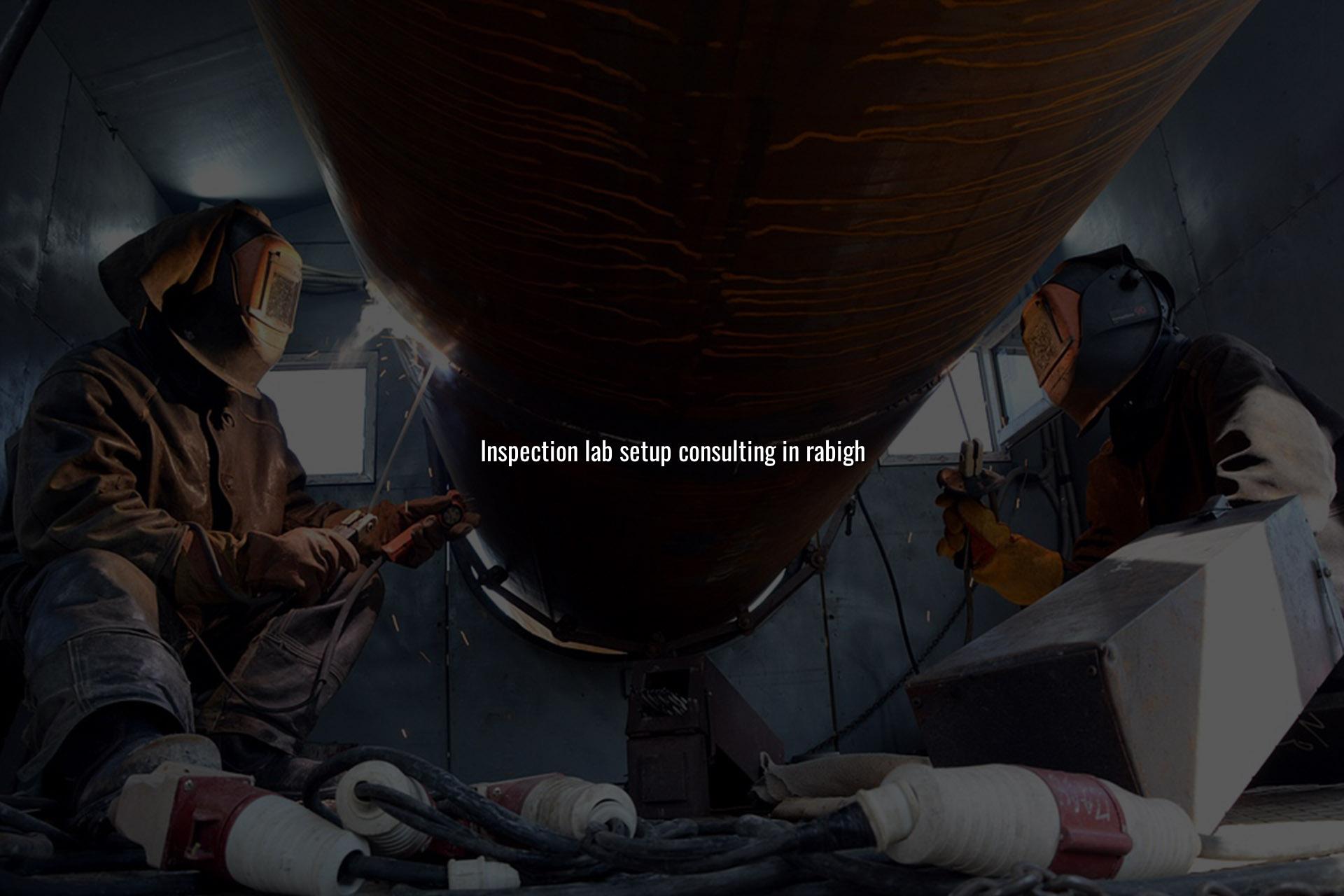
Inspection lab setup consulting in Rabigh helps you turn a room, container or vacant workshop into a lab that actually works for daily inspection tasks. If you're setting up near industrial and petrochemical projects in the Rabigh area, we help you plan the space, the equipment list and the workflow so the lab is ready for real use, not just for a handover photo.
Our team works with clients across Saudi Arabia and the Middle East, and we know the questions that show up late in the project: where the benches go, how instruments should be stored, how calibration control is handled, and what records inspectors will ask for when the lab starts running.
Inspection lab setup consulting in Rabigh for practical project readiness
Inspection labs for oil and gas, petrochemical, power and construction sites need more than shelves and a desk. They need a clear layout for incoming instruments, a controlled place for check equipment, a document trail for calibration status, and enough room for staff to work without mixing good instruments with items that are still under review. In our experience, that last point gets missed often, and it slows everything down once the client team starts using the lab.
What we usually review first
We start with the inspection scope. A lifting-equipment inspection lab in Rabigh does not need the same footprint as a PPE inspection room or a combined quality lab that also handles calibration records. We review the instruments you expect to handle, the likely volume, the inspection categories, and the support services around the lab, such as storage, cleaning, tagging and report issue control. That gives you a setup that fits your work instead of forcing your team to adapt to a bad layout.
Why the room plan matters
Room flow affects speed and errors. If the incoming and outgoing paths cross, instruments get mixed up. If the test benches are too close to the door, dust and movement become a problem. If you place reference equipment near vibration or heat sources, your checks become harder to trust. We keep the planning grounded in day-to-day use, with a focus on traceability, access, and safe handling of inspection assets.
- Scope the service — define which inspections the lab will support, from lifting gear and PPE to incoming NDT support items and related records.
- Map the workflow — set the path from receiving to checking, tagging, storage and report issue so the team never guesses the next step.
- Select the equipment — choose only what the lab needs now, plus sensible expansion points for later work.
- Plan utilities and storage — place benches, racks, charging points, cabinets and document stations in a way that suits the room and the team.
- Define the inspection categories before buying furniture or instruments.
- Separate incoming items, checked items and rejected items with visible controls.
- Keep calibration status labels and traceability records easy to reach.
- Leave space for maintenance, cleaning and safe movement around benches.
Inspection lab setup decisions that shape day-to-day use
| Area | What it affects | Typical planning focus |
|---|---|---|
| Receiving zone | Item control and traceability | Clear intake desk, tagging point and hold area for pending items |
| Inspection benches | Work speed and accuracy | Bench height, lighting, clean surface and space for tools |
| Reference storage | Calibration confidence | Controlled cabinet, status labels and protected storage for standards |
| Documentation area | Report quality | Computer station, printer access and file control for records and certificates |
How a well planned lab supports quality and traceability
A good inspection lab supports ISO 9001:2015 quality management, and when calibration items are part of the setup, it also needs the discipline expected around ISO/IEC 17025:2017 traceability. For clients in Saudi Arabia, especially in industrial cities like Rabigh and Dammam, that traceability is what gives managers confidence when they hand inspection results to project, QA or maintenance teams.
Keep the records simple and usable
We usually recommend a record flow that staff can maintain without special training every time they open the lab. That means a clear register for instruments, status labels that are readable at a glance, defined storage for rejected or overdue items, and a report file structure that makes audits less painful. If the lab is going to support third-party inspection work, this control becomes even more important because your team needs to show consistency, not just effort.
What clients usually want from the first month
Most teams don't ask for a fancy room. They want a setup that lets them receive items, check them, store them, issue records and avoid rework. In Rabigh, where project schedules can be tight and industrial shutdown work can pile up fast, that practical setup saves time and keeps the inspection process under control.
How Mayon Industrial Services Can Help
We help you plan inspection labs from the ground up, from layout and workflow to calibration control, document handling and equipment selection. If your project in Rabigh also needs support with calibration services, lab design, inspection services or related mechanical and electrical work, our team can build a setup that fits the way your staff actually work. Tell us what you inspect, what space you have and what the lab must support, and we'll shape the plan around that.
Call +91 99447 80844 (India) or +966 59 633 8012 (Saudi Arabia), email services@mayonservices.com, or message us on WhatsApp.
Frequently Asked Questions
It helps you plan an inspection lab that can actually handle the work you expect, instead of guessing at the layout after equipment arrives. For many clients in Rabigh, that means setting up a controlled space for receiving items, checking them, storing records and keeping inspection assets traceable.
We start by mapping the workflow: receiving, inspection, storage, documentation and release. Then we size the benches, cabinets and movement paths around the type of items you'll handle, so the lab doesn't become crowded or confusing once operations begin.
Yes, if the setup includes proper control for standards, labels and records. That's where ISO/IEC 17025:2017 thinking helps, because it keeps the lab focused on traceability and disciplined handling of reference equipment, even when the main job is inspection support.
We most often see interest from oil and gas, petrochemical, power, construction and manufacturing teams. Those sites need a lab that supports safe inspection records, controlled equipment handling and a clear link between the lab output and project decisions.
Yes. We support clients across India, Saudi Arabia and the wider Middle East. Our India head office is in Medavakkam, Chennai, and we also operate in Saudi Arabia through our Dammam Industrial City 2 base for relevant project work.
Ready to set up an inspection lab that works on day one?
Tell us your scope, your available space and the standards you need to keep under control, and we'll help shape the right plan for Rabigh.
Contact Mayon