
Inspection Lab Setup Consulting in Uthmaniya
Practical planning for inspection labs that need traceable workflow, correct utilities, and a layout your team can run with confidence.
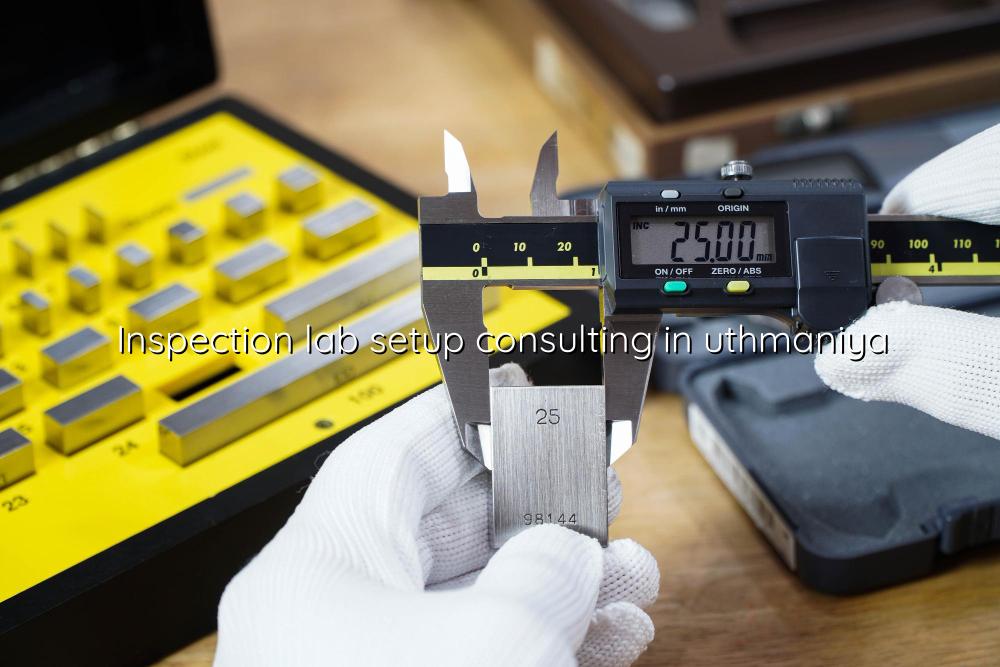
Inspection lab setup consulting in Uthmaniya helps you avoid the mistakes that slow a new lab before it even opens. We plan the room, the utilities, the equipment list, and the working flow so your inspection team can focus on reliable results instead of fixing avoidable layout problems.
We work with owners, QA teams, and engineering managers who need a lab that fits real inspection work in Saudi Arabia, not a generic showroom design. That usually means thinking through calibration traceability, test bench spacing, power and air requirements, storage, receiving, and the way documents move through the room.
Inspection Lab Setup Consulting in Uthmaniya for Practical Results
A good inspection lab is not built around furniture first. It starts with the scope of work: lifting-equipment inspection, NDT support, PPE checks, incoming instrument verification, or a mix of those jobs. Once the scope is clear, we can map the space around the tools, sample flow, safety points, and the people who will use the lab every day.
What a real inspection lab needs
For most projects in and around Uthmaniya, the basics are simple but easy to miss. You need clear separation between receiving and test areas, safe movement for equipment, enough bench depth for inspection tools, proper storage for records and consumables, and lighting that supports close visual checks. If the room is cramped or the sequence is wrong, the lab becomes harder to run than it should be.
Why the early design stage matters
We often see teams order equipment before the room is ready. That leads to extra rework, missed utility points, and benches that block access to cables, doors, or calibration references. Early consulting avoids that. It also helps you decide what belongs in-house, what should stay with a mobile service, and where pick-up and delivery makes more sense for sensitive items.
- Define the inspection scope — list the equipment types, test methods, and reporting needs before any floor plan is drawn.
- Check the site conditions — review room size, access, power, air, lighting, and storage so the design matches the building.
- Lay out the workflow — place receiving, inspection, recording, and dispatch in a sequence that reduces backtracking.
- Choose the right utilities — make sure benches, tools, and environmental controls match the work you actually plan to do.
- Prepare for handover — set up SOPs, basic training, and maintenance points before the first job arrives.
- Plan for inspection flow, not just room size.
- Keep utilities accessible for maintenance and future expansion.
- Separate clean document handling from dirty or heavy work areas.
- Reserve space for safe storage, labels, and traceability records.
- Match the lab layout to the standards and methods your team will use.
Core Choices for an Inspection Laboratory
| Area | What to Decide | Why It Matters |
|---|---|---|
| Room layout | Receiving, inspection, storage, and reporting zones | Keeps the job moving in one direction |
| Utilities | Power, air, lighting, and any special benches | Prevents installation delays and unsafe workarounds |
| Documentation | Registers, labels, traceability files, and record control | Supports ISO/IEC 17025-style discipline |
| Equipment mix | Hand tools, reference items, and supporting test gear | Stops overbuying and keeps the lab focused |
Designing for Traceability and Safe Operation
Inspection labs in Saudi Arabia, especially in industrial areas serving oil & gas, petrochemical, power, and construction clients, need a setup that supports traceability from the start. If your layout makes records hard to control or instruments hard to identify, the whole process gets messy fast. A clean structure helps when auditors, clients, or internal reviewers ask where an item came from and how it was handled.
Where standards shape the layout
We keep the design grounded in ISO/IEC 17025:2017 thinking for competence and traceability, ISO 9001:2015 quality discipline, BS EN standards for lifting and inspection work, and EURAMET CG-15 for electrical calibration references where relevant. That does not mean the lab has to feel rigid. It means the room, records, and test methods should all point in the same direction.
Common setup gaps we catch early
Missing cable routes, tight access around benches, poor sample storage, weak lighting for visual checks, and no clear place for incoming items. These sound small. They become daily problems the moment the lab starts receiving real work.
How We Approach an Inspection Lab Project
Every site starts differently. Some clients already have a room inside a plant or warehouse. Others are setting up from scratch and need help turning an empty shell into a working inspection space. Our role is to translate the actual job into a layout and equipment plan that fits the building, the team, and the reporting load.
We also think about the support side. If part of the work is better done onsite, Mayon can support with mobile calibration services, electrical testing, inspection services, PAT testing, condition monitoring, and repair support for pumps, compressors, generators, and related equipment. That matters because a lab rarely operates in isolation.
What you receive from consulting
Depending on the project, we help with room planning, equipment selection, workflow logic, document control ideas, and handover planning. If the project includes future expansion, we can leave room for it instead of forcing a rebuild later. That is usually the difference between a lab that copes for one year and a lab that keeps working for many years.
- Layout guidance based on actual inspection tasks.
- Support for utility planning and equipment placement.
- Advice that fits Saudi industrial sites and GCC expectations.
- A design that keeps calibration and inspection records manageable.
Why Uthmaniya Clients Ask for Consulting Before Build-Out
Most clients do not ask for consulting because they want extra paperwork. They ask because they have seen what happens when the lab is built too quickly. Benches end up in the wrong place, power points are missing, and the team begins working around the room instead of through it.
Turnkey does not mean careless
A turnkey project still needs judgment. A chemical laboratory, a calibration room, and an inspection lab do not have the same priorities, even if they sit in the same facility. We help you sort that out before procurement starts, which saves a lot of frustration later.
Typical project decisions
Bench heights, tool storage, lighting over inspection points, file handling, calibration references, access for heavy items, and whether the room should support future expansion. These decisions shape the daily experience of your team more than most people expect.
How Mayon Industrial Services Can Help
We support clients who need inspection lab setup consulting in Uthmaniya with practical planning, engineering input, and site-ready advice. If your project needs calibration support, inspection capability, mechanical services, orbital welding, or lab setup guidance, our team can help shape the work into something that runs properly from day one.
Call +91 99447 80844 (India) or +966 59 633 8012 (Saudi Arabia), email services@mayonservices.com, or message us on WhatsApp.
Frequently Asked Questions
It usually covers layout planning, equipment placement, utility checks, workflow design, and a review of how records will be managed. If your lab also supports lifting inspection, NDT, or related site work, we shape the setup around that workload so the room stays practical.
Yes. That is one of the most common requests we get. We look at the room as it is, then work around access, power, storage, and safety points so you do not end up redesigning the space after equipment arrives.
We do. The layout and document flow should support traceability, clear identification, and controlled handling of items. Even if the final lab is not a full calibration lab, that discipline makes inspections and internal reviews much easier to manage.
Oil & gas, petrochemical, power, construction, manufacturing, and healthcare are the usual ones. In practice, any site that needs documented inspection work or controlled handling of instruments can benefit from getting the setup right before launch.
Yes. We can support calibration services, inspection services, mechanical work, condition monitoring, training, and repair support. That helps when the lab moves from setup into steady operation and needs a partner who understands the equipment and the site.
Ready to plan your inspection lab with fewer mistakes?
Send us the scope, the site details, and the kind of inspection work you want to run. We’ll help you shape a lab that fits the job instead of fighting it.
Contact Mayon