
Inspection Training in Al Hasa
Practical inspection training for engineers, supervisors and QA teams who need real field-ready habits.
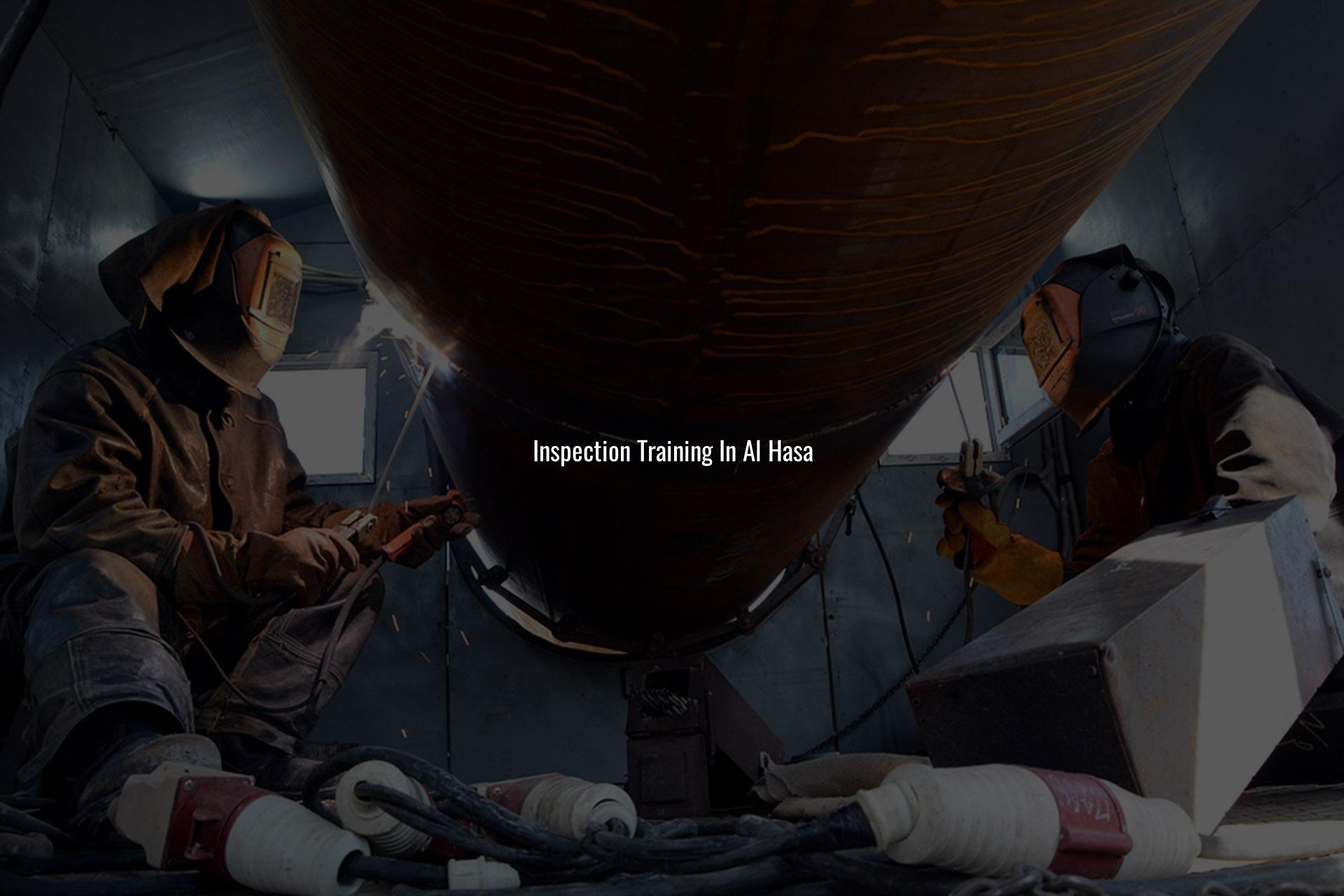
Inspection training in Al Hasa helps your team spot defects early, record findings properly, and make safer decisions on the job. If you manage lifting gear, plant rooms, or maintenance shutdowns, this page shows what practical training should cover and how it fits real site work.
We work with engineers and supervisors across Saudi Arabia, including industrial teams in and around Al Hasa, where oil, petrochemical and maintenance environments demand careful inspection habits. Our focus is simple: train people to inspect with discipline, understand BS EN expectations, and write reports that stand up to review.
Inspection Training in Al Hasa for Site Teams
Good inspection training is not just about spotting corrosion or missing tags. It teaches your team how to look at lifting equipment, PPE, and plant accessories in a repeatable way, then decide what needs hold, repair or withdrawal from service. In our experience, the biggest gap is usually not the eye for defects; it is the consistency of the report and the confidence to escalate the right issue at the right time.
Why Al Hasa teams ask for practical, site-based training
Al Hasa operations often mix maintenance shutdowns, heavy handling, warehouse activity and contractor access, so inspection needs to be quick and disciplined. People need to know what a defect looks like on a shackle, sling, hook, helmet, harness or work-at-height accessory, and they need to document it in a way supervisors can use immediately. We keep the training close to those realities, not classroom theory for its own sake.
What your inspectors should be able to do
By the end of a proper course, your team should understand inspection intervals, basic acceptance criteria, tagging, traceability, and the limits of visual checks. They should also know when to stop and call for a specialist inspection, especially on lifting equipment that falls under BS EN expectations or when there is doubt about damage, deformation or record history.
- Start with the equipment list — group lifting gear, PPE and accessories by type, duty and location so the inspection route makes sense.
- Check condition and identity — verify tags, serials, certificates and visible damage before anyone signs off.
- Inspect against a fixed method — use the same sequence every time, from general condition to detail points such as hooks, stitching, deformation, corrosion and missing parts.
- Record the outcome clearly — mark pass, fail or hold, then note the reason in plain language that a supervisor can act on.
- Escalate the doubtful items — send anything unclear to a competent inspector or third-party review instead of guessing.
- Keep inspection forms short enough that technicians actually complete them in the field.
- Use real examples from your own site, not only textbook photos.
- Train supervisors to read inspection remarks, not just the final pass/fail line.
- Include tag control and quarantine steps for failed items.
- Revisit the same equipment after a few weeks; that is where habits show.
Typical Modules for Inspection Training
| Module | What learners check | Typical site outcome |
|---|---|---|
| Lifting equipment inspection | Hooks, shackles, slings, certificates and tagging | Cleaner release decisions before use |
| PPE inspection | Harnesses, helmets, lanyards and visible wear | Fewer unsafe items returned to service |
| NDT awareness | When visual checks are not enough and specialist testing is needed | Better escalation on suspect parts |
| Reporting practice | Findings, remarks, photographs and traceability | Reports supervisors can act on quickly |
How the Training Supports Safer Inspections
We keep the content aligned with the standards you actually mention in audits and site procedures, especially BS EN expectations for lifting and inspection work. For teams that already deal with ISO 9001:2015 quality systems, the big gain is cleaner records, less ambiguity and better control over items that fail or need further review. That matters in oil and gas, petrochemical, power and manufacturing sites where one bad handover can slow a whole job.
Why reporting matters as much as the inspection itself
A lot of teams can see wear. Fewer can write a useful finding. We train people to describe the defect, location and effect in plain language, then attach the right status so maintenance, QA and lifting teams can act without chasing the inspector for a second explanation.
Built for field supervisors and technicians
Training works best when it includes people who actually release equipment, inspect PPE, or sign maintenance handover forms. That is why we usually shape the session around the equipment on your site, your reporting format, and the level of detail your managers want to see.
How Mayon Industrial Services Can Help
We can support inspection training with practical examples from lifting-equipment inspection, NDT awareness, PPE inspection and reporting discipline. If your team also needs calibration support, mechanical services or third-party inspection work, we can keep those services aligned with the same site standards and documentation style. Send us your scope and we’ll help shape a session that fits your plant, not a generic slide deck.
Call +91 99447 80844 (India) or +966 59 633 8012 (Saudi Arabia), email services@mayonservices.com, or message us on WhatsApp.
Frequently Asked Questions
It usually covers how to inspect lifting equipment, PPE and related accessories in a repeatable way. We also train people on tagging, record keeping and when to escalate a doubtful item instead of making a guess on the spot.
Yes. Lifting equipment is one of the main areas where a short, clear inspection method makes a big difference. Teams learn what to check on hooks, shackles, slings and certificates, then how to record a clean pass, fail or hold decision.
We can. The course can be shaped around BS EN standards used for lifting and inspection work so your team understands the level of discipline expected during checks and reporting. We keep the discussion practical and tied to the equipment you actually use.
Yes, and that is often the best setup. QA teams usually care about traceability, while maintenance teams care about whether the equipment can go back into service safely, so we make sure both sides leave with the same language and record format.
Just share your site location, equipment list and training goal. We work from Dammam Industrial City 2 for our Saudi operations and can plan the training around your plant, contractor schedule and the kind of inspection records you want to standardise.
Ready to improve inspection confidence on site?
If your team needs practical training that fits real lifting, PPE and reporting work, we’re ready to help you plan it properly.
Contact Mayon