
Inspection Training in Al Khobar
Practical inspection training for teams handling lifting gear, NDT records and PPE checks in Saudi industrial sites.
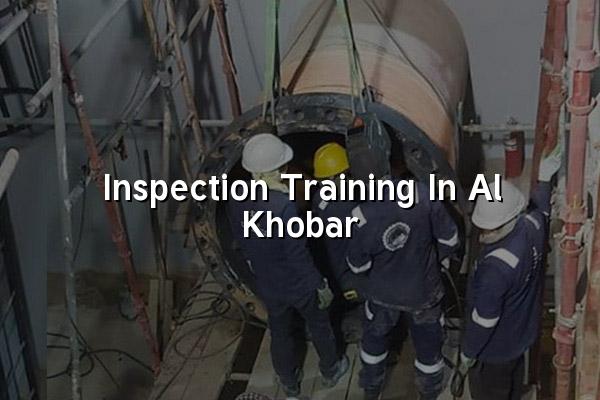
Inspection training in Al Khobar helps your team spot defects early, keep records tidy, and make better calls before equipment goes back into service. If you're managing lifting gear, PPE checks, or third-party inspection files, this page shows what good training looks like and how we run it.
We work with teams across Saudi Arabia, especially oil and gas, petrochemical, power, and fabrication sites around Dammam and Al Khobar. Our sessions are practical, tied to BS EN inspection expectations, and shaped by the kind of field work people actually face on site, not classroom theory alone.
Inspection Training in Al Khobar for Real Site Work
Inspection training in Al Khobar usually starts with one problem: people know the equipment is important, but they have not been taught how to inspect it with consistency. That gap shows up in missed damage, weak reporting, and confusion over pass or fail decisions. We keep the training focused on the actual items your team handles, including lifting accessories, NDT-related checks, and PPE inspection under BS EN standards.
Who should attend?
We train maintenance technicians, QA staff, safety officers, supervisors, and junior inspectors who need a stronger eye in the field. In our experience, mixed groups work well because the maintenance side understands wear and tear, while the safety team brings the compliance angle. That combination leads to better decisions during routine checks and shutdown work.
What people usually want from us
Most clients ask for training that helps staff read a condition, document it clearly, and know when to escalate. That can mean identifying deformation on lifting tackles, checking PPE against obvious damage, or keeping a cleaner inspection trail for audits and internal reviews. We also include the practical side of record keeping, because a good inspection with a weak report still causes trouble later.
- Site review first — we look at the equipment types, the inspection log style, and the level of experience in your team.
- Classroom briefing — we explain inspection logic, common failure signs, and the basics of BS EN-linked checks in plain language.
- Hands-on practice — attendees inspect sample items, compare findings, and learn how to record defects without guesswork.
- Feedback and correction — we review findings with the group, point out missed details, and show how to make reports cleaner and more useful.
- Use one inspection checklist format across shifts so findings stay consistent.
- Separate visual checks from functional checks; mixing them creates sloppy records.
- Photograph damage where possible, especially on lifting gear and PPE items.
- Escalate borderline cases to a senior inspector before releasing equipment.
- Keep dates, asset IDs, and rejection reasons clear enough for audit review.
Typical Inspection Modules We Cover
| Module | What the team learns | Site result |
|---|---|---|
| Lifting equipment checks | Look for wear, deformation, missing identification, and unsafe use conditions | Cleaner pre-use decisions and fewer near-miss surprises |
| NDT record awareness | Read findings, understand report language, and match records to equipment history | Better control of inspection files during shutdowns and audits |
| PPE inspection | Spot cracks, cuts, expiry issues, and damage that makes equipment unfit | Stronger daily safety control in workshops and field areas |
| Third-party coordination | Prepare equipment, documents, and handover details for outside inspectors | Less delay when external checks are due |
Why inspection training matters in Saudi industrial sites
Al Khobar and the Eastern Province see heavy activity from oil and gas, petrochemical, fabrication, and power clients, so inspection standards can't be casual. Equipment moves fast, jobs change often, and teams need a common way to judge condition. Training helps reduce variation between inspectors, which is where many avoidable mistakes start.
Where the weak points usually appear
We often find trouble in the simple parts: unclear rejection notes, old inspection sheets, and staff who can spot a defect but can't explain it in writing. A training session fixes that by linking the visual check to the report, the report to the asset, and the asset to the decision. That chain matters when a supervisor asks why a item was kept out of service.
Built around field reality
We don't keep this at the whiteboard. Our trainers use examples from lifting gear rooms, workshop benches, and site handovers, so people can relate the lesson to the next shift they work. That's usually when the message sticks.
What your team should be able to do after the session
After a good inspection training session, people should be able to inspect a common asset, spot defects that matter, and write a report that another person can trust. That sounds simple, but it's the difference between a tidy site and one that keeps reworking the same safety problem. For most companies, the real gain is not theory; it's fewer arguments during handover and fewer gaps in the inspection trail.
We also keep an eye on calibration awareness where it matters. If your site uses torque tools, gauges, or measuring equipment in support of inspection or maintenance, the team should understand how traceability and instrument condition affect the work around them. That helps build better habits across the workshop and field office.
Training that supports audits and internal reviews
Auditors rarely want a dramatic story. They want evidence that your people know the procedure, use the right forms, and can explain a rejection or release decision. Inspection training in Al Khobar gives your team a stronger grip on that process, which makes follow-up easier when records are checked later.
- Better judgment on whether a component can stay in service.
- Clearer defect descriptions for supervisors and clients.
- More disciplined use of inspection logs and asset references.
- Stronger coordination between operations, QA, and safety teams.
How Mayon Industrial Services Can Help
We support inspection training with the same practical mindset we bring to lifting-equipment inspection, NDT coordination, PPE checks, calibration, and mechanical work. If your team also needs help with lab setup, testing support, or field documentation, we can shape the session around that workflow. Tell us what equipment you use, where the gaps are, and we'll build the training around the people who actually do the job.
Call +91 99447 80844 (India) or +966 59 633 8012 (Saudi Arabia), email services@mayonservices.com, or message us on WhatsApp.
Frequently Asked Questions
It usually covers how to inspect equipment, how to spot damage, and how to record findings in a way that's useful later. We tailor the content to lifting gear, PPE, and other site inspection tasks, so the group gets something they can use the next day. If you need a stronger focus on BS EN-linked checks, we can steer it that way.
Yes. We support onsite training in Saudi Arabia, including the Eastern Province, and we can work with your actual inspection documents and equipment types. That makes the session easier for supervisors because the examples are taken from your day-to-day work, not generic slides.
Yes, very much so. Lifting equipment work needs a careful eye, especially when staff are checking wear, deformation, identification, and condition before use. Training helps inspectors make the same decision each time, which is what site managers usually want.
We do. PPE inspection is part of the training where it's relevant, and we show how to document rejection reasons clearly. That matters because PPE failures are often easy to miss when teams are rushing, and a clean record makes follow-up much easier.
Just contact us with your site location, the equipment you want covered, and the number of people attending. We'll talk through the training scope and help you choose a format that fits your operation. You can use the quote form, call us, or send a WhatsApp message if that's easier.
Ready to improve inspection confidence on site?
If your team in Al Khobar needs practical inspection training that people can use straight away, get in touch and we'll shape it around your equipment and workflow.
Contact Mayon