
Inspection Training in Ras Tanura
Practical inspection skills for engineers, supervisors and safety teams working around Ras Tanura and Saudi Arabia's industrial zones.
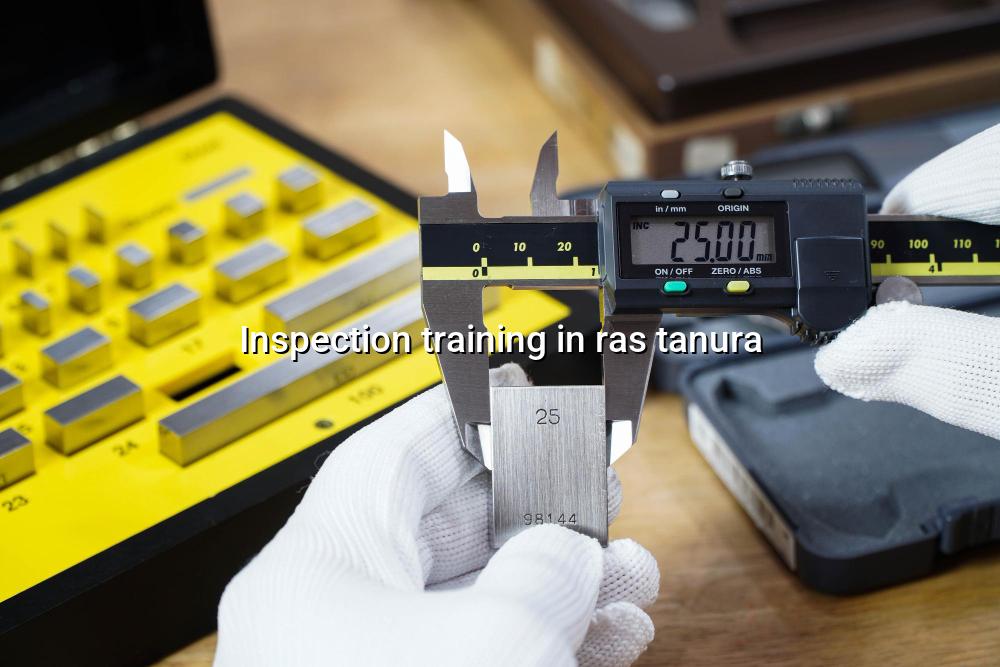
Inspection training in Ras Tanura gives your team the practical judgment needed to spot defects early, read equipment condition with confidence, and act before small issues become shutdown work. If you're responsible for lifting gear, plant assets, or safety checks, this page shows what good training should cover and how to choose the right scope.
We work with industrial teams across Saudi Arabia, including sites tied to oil & gas, petrochemical, power and maintenance activity around Ras Tanura. In our experience, the best results come when inspection training is tied to real equipment, real standards, and the pressure of day-to-day site decisions, not classroom theory alone.
What inspection training in Ras Tanura should cover
A proper inspection programme should help your people identify wear, damage, nonconformance, and unsafe use before equipment goes back into service. For Ras Tanura operations, that usually means lifting equipment checks, PPE inspection, NDT awareness, basic condition recognition, and the discipline to record findings clearly enough for maintenance and QA teams to act on them. If a course can't connect those pieces, it usually leaves a gap on site.
Why local site context matters
Ras Tanura sits inside a heavy industrial environment where marine exposure, heat, vibration, and repeated loading all change how equipment ages. A sling that looks fine in a store room can behave very differently after it has worked near salt air, hot steel, or frequent handling. Good training teaches people to ask the right questions before they sign off an item.
Skills that stick after the classroom
The useful part is not memorising a checklist. It's learning how to inspect with consistency: check identification, verify condition, spot deformation or corrosion, confirm fit for purpose, and know when to escalate. When a team understands those steps, the inspection record becomes useful instead of ceremonial.
- Start with the asset type — identify whether you're dealing with lifting gear, PPE, hand tools, or a process-related item and use the correct inspection method.
- Check the visible condition — look for cuts, bent parts, missing markings, damage, contamination, or signs of overheating before anyone uses the item again.
- Confirm compliance evidence — verify tags, traceability records, serial numbers, and inspection status so the document trail matches the physical asset.
- Record and escalate — write findings clearly, quarantine unsafe items, and pass issues to the right supervisor, maintenance lead, or safety officer.
- Train inspectors to use BS EN-aligned lifting and inspection practices where applicable.
- Include defect recognition using photos of real wear, cracks, distortion, and corrosion.
- Build habits around quarantine, tagging, and clear reporting to prevent unsafe re-use.
- Use site examples from Ras Tanura, Jubail, Dammam, and other Saudi industrial settings.
Inspection training modules and what they help your team do
| Module | Typical focus | Site outcome |
|---|---|---|
| Lifting equipment inspection | Slings, shackles, hooks, eyebolts and load-bearing hardware | Safer lifting decisions and faster defect removal from service |
| NDT awareness | Visual checks, surface defect recognition and test selection basics | Better escalation to qualified technicians when hidden damage is suspected |
| PPE inspection | Helmets, gloves, eye protection, harnesses and condition checks | Cleaner pre-use control and fewer missed wear indicators |
| Inspection reporting | Defect logs, status tagging and traceability records | Clear handover between inspection, maintenance and QA teams |
How training reduces bad calls on site
When inspection is weak, teams either overreact and pull good equipment out of service, or they miss faults that should have been caught earlier. Training helps people make the middle choice: practical, documented, and backed by the right standard or procedure. That matters in Saudi industrial work where handover quality affects the next shift as much as the current one.
What supervisors usually ask for
Most supervisors want two things: fewer surprises and cleaner records. They want someone who can inspect, explain the defect in plain words, and hand over a report that maintenance can use without a long phone call. That's where a good course pays for itself in fewer arguments and better control.
Practical training beats theory alone
We see better retention when people handle actual samples, tags, and inspection forms. A cracked sling eye, a worn harness strap, or a damaged PPE shell teaches faster than slides ever will. The point is simple: if your team can recognise the fault on the floor, the course has done its job.
A sensible way to roll out inspection training
The best rollout starts with the items you actually use. If your team handles lifting gear, PPE, and site equipment daily, train that first. Then expand into reporting, escalation, and refresher sessions so the knowledge stays alive after the first workshop.
For Ras Tanura operations, we usually see the strongest results when training is tied to site-specific risk and housekeeping practices. That means using examples from stores, workshops, vessels, laydown yards, and maintenance areas instead of generic training material.
- Start with a gap review of the items your team inspects every week.
- Use real defective and good-condition samples where possible.
- Give supervisors a simple reporting format they can actually use.
- Run a refresher after the first round of field use so habits don't slip.
How Mayon Industrial Services Can Help
We can support inspection training with hands-on input from our calibration, inspection, mechanical services, and laboratory teams, so the course matches the reality of industrial work rather than a textbook version of it. If you need help around lifting equipment, PPE checks, NDT awareness, or the reporting side of inspection, we'll shape the session around your site needs in Saudi Arabia or the wider Middle East.
Call +91 99447 80844 (India) or +966 59 633 8012 (Saudi Arabia), email services@mayonservices.com, or message us on WhatsApp.
Frequently Asked Questions
Usually the core topics are lifting equipment inspection, PPE checks, defect recognition, reporting, and escalation. If your team also handles plant shutdown or maintenance support, we can include equipment-specific examples so the training matches the work. That makes the session easier to apply on the next shift.
Yes, we do. We train people to look at condition, identification, damage, and suitability before a lift is allowed to proceed. The aim is simple: help your team spot a problem early and keep unsafe gear out of circulation.
Yes. Oil and gas sites usually need stronger focus on traceability, lifting controls, corrosion awareness, and clear handover between teams. We tailor the examples and reporting flow to the equipment and risk level you're dealing with.
Honestly, it's one of the most practical modules. Store teams and supervisors see the equipment before it reaches the user, so they can stop worn or damaged PPE from being issued. That saves time later and supports safer site control.
Yes. That's often the better route because inspection findings usually lead into maintenance, calibration, or equipment replacement decisions. Our team can align training with the actual service flow your site uses, so the handover doesn't get lost.
Ready to strengthen your inspection team?
If you need inspection training that matches real industrial work in Ras Tanura and across Saudi Arabia, talk to Mayon and we'll help you plan the next step.
Contact Mayon