
Inspection Training in Haradh
Practical inspection training for field teams, QA staff and maintenance crews working in Haradh and the surrounding Eastern Province industrial belt.
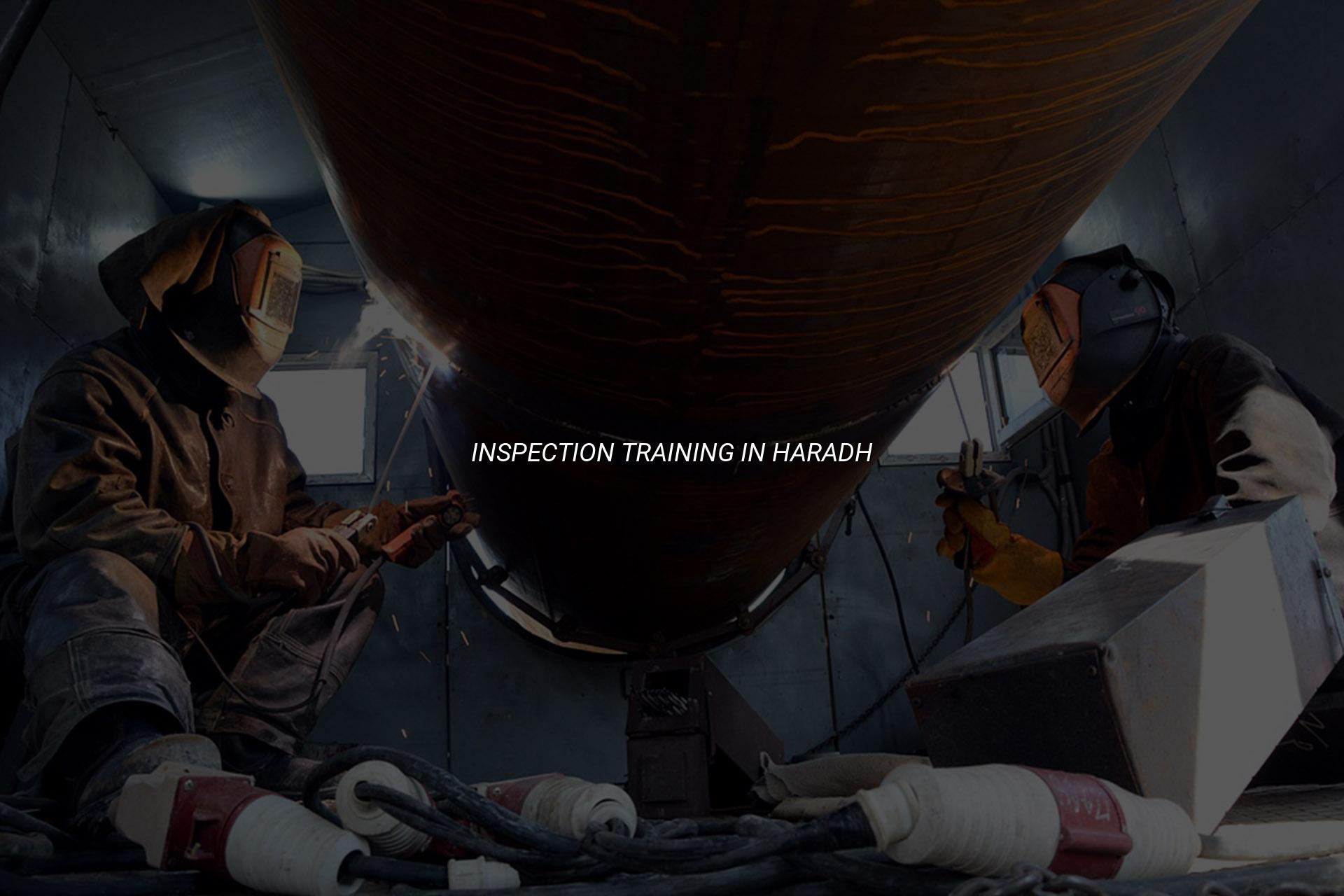
Inspection training in Haradh helps your team spot defects earlier, record findings properly and keep lifting, PPE and plant inspection work consistent on site. If you're responsible for maintenance or QA in Haradh, this page shows what the training covers, how it fits day-to-day work and where it supports safer decisions.
We work with crews that need more than theory. In our experience, the best sessions are the ones tied to real equipment, field conditions and the reporting habits clients actually use in Saudi Arabia, especially around oil & gas, petrochemical, power and warehouse operations.
What inspection training in Haradh should cover
Good inspection training isn't about memorising terms. It should help technicians recognise visible damage, understand when to stop and escalate, and document what they find in a way a supervisor can trust. For teams working in Haradh, that usually means basic lifting-equipment checks, NDT awareness, PPE inspection, simple defect categorisation and clean handover notes that match site procedures and BS EN expectations where lifting gear is involved.
Why local site conditions matter
Haradh sits in a working industrial corridor, so dust, heat, vibration and frequent equipment movement all affect inspection quality. A sling that looks fine in the store room can tell a different story after a month in service, and a helmet, harness or shackle needs a trained eye to catch wear that casual visual checks miss. We build the training around these realities, not a generic classroom script.
Who should attend?
We usually see maintenance technicians, rigging crews, HSE staff, QA coordinators and new supervisors in the same room. That mix works well because everyone sees the same equipment from a different angle. One person learns the inspection sequence, another learns how to challenge a borderline item, and the whole team gets a common language for reports and tag status.
- Start with the equipment list — map the lifting gear, PPE or NDT items your team actually handles, then set the training around those items.
- Show the inspection path — teach the order of checks, from identification and surface condition to markings, function and removal criteria.
- Use field examples — review bent hooks, cracked welds, frayed slings, missing labels and other defects that teams can recognise on site.
- Close with reporting practice — train the crew to write clear observations, isolate unsafe items and pass the record to the right supervisor.
- Covers practical lifting-equipment inspection habits, not just theory
- Supports PPE checks against BS EN-based site expectations
- Helps teams spot defects before equipment goes back into service
- Fits oil & gas, petrochemical, power and warehouse environments in Saudi Arabia
Typical inspection topics and what your team learns
| Topic | What trainees look for | Where it helps |
|---|---|---|
| Lifting accessories | Wear, distortion, missing ID, damaged fittings and obvious rejection points | Rigging yards, workshops and shutdown work |
| PPE inspection | Cracks, expiry issues, missing parts, poor fit and contamination | Daily safety checks and pre-use control |
| NDT awareness | How inspection findings connect to surface flaws and the need for specialist testing | Maintenance planning and escalation |
| Report writing | Clear notes, item identification, status tags and handover language | QA records and supervisor review |
Why practical inspection training pays off
Teams that know how to inspect properly waste less time arguing over borderline items. They also make better decisions when equipment needs to be isolated, repaired or sent for third-party inspection. That matters in Haradh, where plant availability and safety both sit under pressure and supervisors need short, defensible answers.
Better records, fewer missed defects
One thing we see often is weak reporting. People may notice a flaw, but the record is too vague to act on. Training fixes that by teaching item IDs, defect wording, photo habits and escalation steps so the next person doesn't have to guess what happened in the field.
Built for real site conditions
Our sessions can be aligned to lifting-equipment inspection, PPE checks, NDT awareness and maintenance handover practices. We keep the language simple, but the standard of work stays high.
How Mayon Industrial Services Can Help
We can support inspection training in Haradh with practical sessions drawn from our inspection services, lifting-equipment experience, PPE checks and NDT awareness work. If your team also needs calibration, mechanical support, lab setup or testing and commissioning guidance, we can connect the training to the bigger maintenance picture. That usually makes the lessons stick because people see how inspection affects real plant decisions.
Call +91 99447 80844 (India) or +966 59 633 8012 (Saudi Arabia), email services@mayonservices.com, or message us on WhatsApp.
Frequently Asked Questions
The training usually covers visual inspection, defect spotting, basic acceptance checks and clear reporting. We can shape it around lifting accessories, PPE and general maintenance inspection so your team learns what they actually touch on site.
Yes, we can. We focus on the checks that matter in day-to-day work, such as identification, wear, distortion, hooks, slings, shackles and tag status, with BS EN-based thinking where lifting inspection applies.
Yes. PPE inspection is a common request because teams need to know what can stay in service and what should be removed. We cover visible damage, missing parts, contamination and the basics of pre-use checks.
Yes. We support clients in Saudi Arabia from our Dammam Industrial City 2 base through SMC Engineering Services / Sixfaces Maintenance Co, and we also serve India and the wider Middle East. That lets us keep the training close to the actual site environment.
If your team is making routine checks, spotting obvious defects and preparing items for internal control, training is a good fit. If the equipment needs formal compliance checks or specialist evaluation, we can help you decide whether a more formal inspection route is the better step.
Ready to improve inspection discipline on site?
Give your Haradh team the practical skills to inspect, report and escalate with confidence, and keep the work moving safely.
Contact Mayon