
Inspection Training in Abqaiq
Practical inspection skills for teams supporting Abqaiq operations, shutdown work and field maintenance in Saudi Arabia.
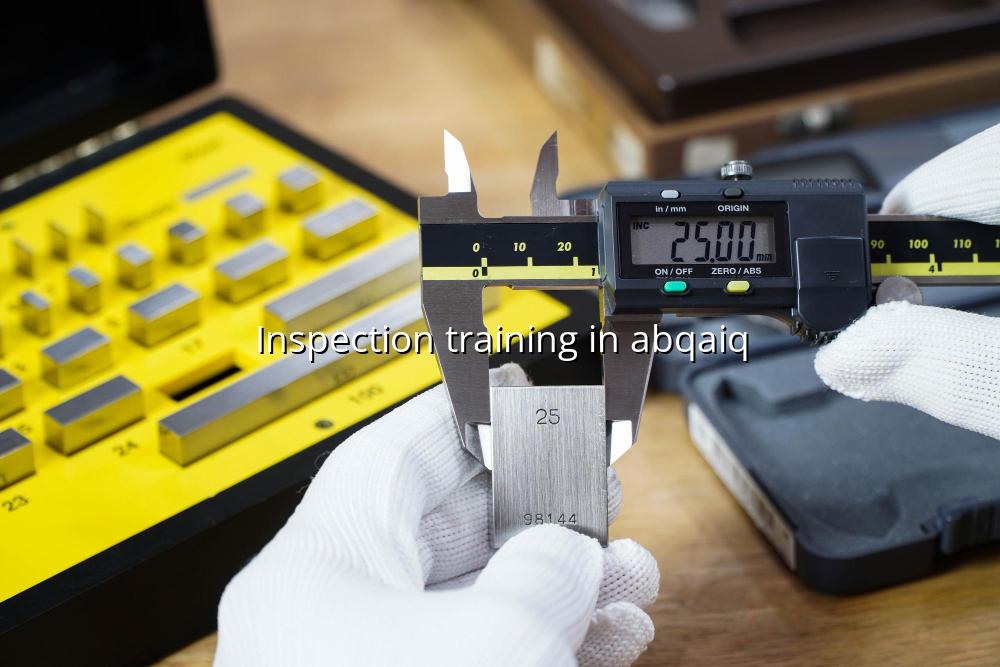
Inspection training in Abqaiq helps your team spot defects early, record findings the right way and keep equipment moving through shutdowns, maintenance and daily operations. If you're responsible for lifting gear, PPE or basic NDT checks, this page shows what the training should cover and how it fits real site work.
We see the same pattern across Saudi Arabia's oil, petrochemical and power sites: people know the equipment, but they want a cleaner inspection method, better reporting and more confidence when they sign off assets. That matters in Abqaiq, where plant discipline, traceability and safety records are part of everyday work.
What inspection training in Abqaiq should cover
A good inspection course is not just theory. It should walk your team through identification, visual checks, rejection criteria, documentation and escalation, using the same sort of equipment they handle on site. For Abqaiq operations, that usually means lifting accessories, slings, shackles, hooks, hand tools, PPE and selected plant items tied to maintenance and shutdown work.
Start with the item and the risk
Before anyone picks up a checklist, they need to know what they're inspecting and why it matters. A lifting shackle on a warehouse job, a helmet used daily in a maintenance yard and a harness used at height all fail in different ways, so the inspection method can't be copied from one item to another.
Put the findings in writing
Most teams can spot obvious damage. The harder part is writing a report that a supervisor, safety officer or contractor can use without asking for a second explanation. That means clear item IDs, condition notes, pass or fail decisions, and a simple way to track defects across shifts.
- Identify the asset — confirm the tag, service area, duty and last inspection record before you start.
- Check visible condition — look for cracks, deformation, corrosion, wear, missing labels and damaged attachments.
- Measure against criteria — compare the item with the relevant acceptance or rejection limits used by your site procedure.
- Record and act — log the result, quarantine failed items and route anything unclear to a competent inspector.
- Use real examples from the workshop floor, not generic classroom photos.
- Include pass or fail decisions on the same form your team uses in the field.
- Teach people to stop and escalate when a defect is outside their competence.
- Build in document control so the latest checklist is always the one in use.
Typical training modules for site inspection teams
| Module | What the team learns | Typical site use |
|---|---|---|
| Lifting equipment inspection | Visual checks, wear limits and removal rules for hooks, slings, shackles and accessories | Warehouses, construction yards and maintenance lifts |
| PPE inspection | How to check helmets, harnesses, gloves and other PPE for damage before issue | Daily use in plants, workshops and shutdown areas |
| NDT awareness | Basic understanding of when NDT methods are needed and how to read the findings | Fabrication, repair and periodic integrity checks |
| Reporting and traceability | How to write item IDs, defect notes and action status in a controlled record | Audit-ready records for contractors and plant teams |
Why teams in Abqaiq ask for this training
Abqaiq sites deal with a mix of maintenance work, contractor activity and strict safety expectations. When inspection knowledge sits with only one person, delays start quickly. When the whole crew understands the same method, you get cleaner handovers, fewer arguments over failed items and better control of lifting and safety gear.
What a stronger team looks like
You notice it in small things. People stop using damaged gear without being pushed. Supervisors ask for the report before the job starts. Procurement gets clearer replacement requests because the defect is described properly, not guessed at after the fact.
Training that fits real plant work
We keep the focus on field habits, simple documentation and the sort of decisions your maintenance and safety teams have to make every week in Saudi Arabia.
What people usually get wrong during inspections
One common mistake is treating every visual check as the same. A helmet with a small shell crack, a sling with a cut fibre and a corroded shackle pin are not the same risk, and the response should not be the same either. Another issue is weak reporting: if the defect isn't written clearly, the next shift may put the item back into service by mistake.
We also see teams skipping the basics because they're under pressure. That rarely ends well. A five-minute check done properly is better than a rushed look that misses a hidden bend, a missing safety clip or a tag that no longer matches the register.
Keep the method simple enough to repeat
The best inspection training in Abqaiq gives people a routine they can use on Monday morning and still remember after a long shift. That's the whole point: repeatable habits, not classroom talk that disappears by lunch.
- Match the checklist to the actual item in service.
- Use clear labels so quarantined items stay out of use.
- Train supervisors to review records, not just signatures.
- Refresh staff when equipment types or site rules change.
How Mayon Industrial Services Can Help
We support inspection training with the same practical mindset we use in calibration, inspection services and mechanical work. Our team can help you build a course around lifting-equipment inspection, PPE checks, basic NDT awareness and controlled reporting, with a format that suits your site in Abqaiq or elsewhere in Saudi Arabia.
Call +91 99447 80844 (India) or +966 59 633 8012 (Saudi Arabia), email services@mayonservices.com, or message us on WhatsApp.
Frequently Asked Questions
Usually, we cover visual inspection, defect identification, basic acceptance and rejection rules, and how to write the result properly. For industrial sites, that often includes lifting accessories, PPE and the reporting habits needed for daily maintenance work.
Supervisors, QA staff, maintenance technicians, safety coordinators and contractor leads all benefit from it. In practice, the people who sign off gear or release equipment back to service get the most value.
Yes. That's usually the best way to run it, because the inspection questions are different for slings, shackles, helmets, gloves and harnesses. We can keep the content focused on the equipment your team actually uses.
Yes, because the training should teach your team how to record item IDs, condition notes and action status clearly. That makes the record easier to review during internal audits, contractor reviews and site safety checks.
We serve India, Saudi Arabia and the wider Middle East. If your site is in those regions, we can discuss a practical training plan that fits your operation and your team size.
Ready to improve inspection discipline on site?
If your team in Abqaiq needs clearer inspection habits, better records and a cleaner handover process, we can help you put the right training in place.
Contact MayonGood inspection work is steady work. When your team knows what to look for, what to record and when to stop the job, the whole site runs with fewer surprises, and that's exactly the sort of discipline Mayon Industrial Services brings to training, inspection and engineering support.