
Inspection Training in Spark
Practical inspection training for Spark teams that need safer checks, better records and cleaner handover decisions.
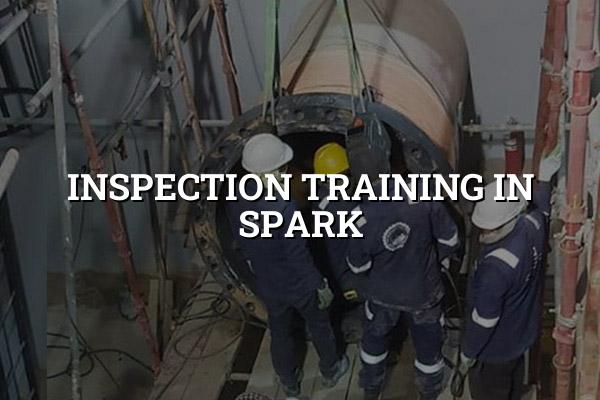
Inspection training in Spark helps your team notice problems before they turn into failed lifting gear, blocked handovers or repeat maintenance calls. If your supervisors, technicians or store teams need a practical way to inspect equipment, this page shows how we teach the job, what gets checked and where Spark-based teams usually need extra discipline.
We work with industrial clients across India, Saudi Arabia and the Middle East, so we know the pressure behind a clean inspection record. In our experience, the strongest teams are not the ones that inspect the most; they are the ones that inspect the same way every time, keep evidence tidy and know when to stop and escalate.
What inspection training in Spark should cover
Good inspection training is practical. It should teach people how to look at lifting accessories, PPE, site tools and related equipment with a consistent eye, then record the result in a way that a supervisor, auditor or client can read without chasing missing details. For Spark operations, that usually means building habits around pre-use checks, visual condition assessment, traceable tagging and clean pass or fail decisions.
Start with the inspection mindset
We always begin with the reason behind the check. If people only know how to tick boxes, they miss cracked welds, distorted shackles, damaged slings and worn labels. A proper session explains what a defect looks like, what evidence matters, and which items must go straight to quarantine. That approach fits BS EN-based lifting and inspection work much better than a rushed classroom talk.
Then train the record keeping
Most inspection problems come from the paperwork, not the tool. A neat report should identify the asset, location, condition, decision and next action. When teams in Spark send us equipment for third-party inspection support, they often ask how to make internal checks easier to defend. The answer is simple: use the same naming convention, keep serial numbers legible, and document defects before the item leaves service.
- Identify the asset — confirm the equipment type, serial number, location and service owner before you begin.
- Check the obvious condition — look for deformation, corrosion, leaks, damage, missing guards and unreadable markings.
- Verify the critical points — inspect lifting eyes, hooks, shackles, slings, PPE wear zones and any safety-related component.
- Record the decision — mark pass, fail or hold, then state what action is needed next.
- Build a repeatable inspection routine for daily, weekly and pre-use checks.
- Train people to separate visible wear from defects that need specialist review.
- Use clear tagging so failed items do not return to service by mistake.
- Keep evidence tied to the asset, not just to the inspector who filled the form.
Typical inspection topics covered in a Spark team session
| Topic | What trainees learn | Where it is used |
|---|---|---|
| Lifting equipment checks | Hooks, slings, shackles, IDs, wear points and quarantine triggers | Construction, oil & gas and fabrication yards |
| PPE inspection | Cracks, expiry cues, fit issues, damage and pass/fail tagging | Maintenance crews, utilities and shutdown teams |
| Visual NDT awareness | How surface defects, weld issues and suspicious marks are flagged for review | Workshop, site repair and commissioning work |
| Inspection reporting | Clear notes, traceable asset IDs and simple decision records | Client handover, internal QA and audit files |
Why Spark teams ask for hands-on inspection training
Classroom talk alone rarely changes behavior on site. People remember the stuff they can touch, compare and discuss. So we use real examples where possible: damaged slings, worn PPE, tagged-out gear, inspection photos and report samples that show what good looks like. That makes the session useful for supervisors, maintenance crews and procurement teams who need a shared standard.
Match the training to the work
A warehouse team in Chennai does not need the same examples as a shutdown crew in Dammam Industrial City 2. Spark-based teams often work across mixed assets, so we adjust the session around the actual inspection load — lifting accessories, PPE, portable tools, and anything that has to stay serviceable under site pressure. We can also align the session with your internal SOPs and the document trail your client expects.
What better inspection habits change
They cut avoidable surprises. They make handover easier. They also reduce the argument around whether an item was fit for use, because the check is written, dated and understood by everyone involved.
Building a simple process your team can actually follow
The best inspection process is not the longest one. It is the one that gets used on Monday morning, during a shutdown, and again when someone is in a hurry. We usually recommend a short flow: identify, inspect, record, segregate and close out. That keeps the work clear for the person doing the check and for the person reviewing it later.
When we train industrial teams, we also spend time on the handover side. A failed item should not just disappear into a corner. It needs a tag, a status, and a follow-up path. In oil & gas, petrochemical and power sites, that discipline saves time because the same item does not keep bouncing between maintenance and operations without a decision.
Common mistakes we see on site
People often focus on surface cleanliness and ignore the detail that matters. A readable label, a damaged latch, missing calibration traceability, or a poor inspection note can be more serious than dust on the outside. Another common problem is inconsistent judgement between shifts. One person passes the item, another rejects it, and nobody can explain why. Training fixes that gap.
- Use a single inspection checklist for similar asset groups.
- Keep failed items physically separated from serviceable stock.
- Review photographs with the team so the decision is easy to defend.
- Refresh training after new equipment types or new client rules appear.
How Mayon Industrial Services Can Help
We support inspection training with the same practical mindset we use in calibration, third-party inspection, NDT support and mechanical work. If your Spark team needs help with lifting equipment checks, PPE inspection, reporting discipline or an internal refresher for supervisors and technicians, we can tailor the session to your site and your actual equipment mix. We also support clients who want the training tied to BS EN expectations and stronger traceability across India, Saudi Arabia and the Middle East.
Call +91 99447 80844 (India) or +966 59 633 8012 (Saudi Arabia), email services@mayonservices.com, or message us on WhatsApp.
Frequently Asked Questions
It gives your team a common way to inspect equipment, record defects and decide what stays in service. That matters when you have lifting gear, PPE or site tools moving between shifts and locations. A good session also helps reduce argument later because the inspection result is written down clearly.
Yes, we regularly work with clients in India and Saudi Arabia, including Medavakkam, Chennai and Dammam Industrial City 2. Onsite delivery is useful because we can use your actual equipment and your own reporting format. That usually makes the lesson stick faster.
Yes, those are two of the most common topics. We cover visible condition, tagging, quarantine decisions and the kind of defects people tend to miss during busy shifts. If you also need NDT awareness or reporting guidance, we can include that too.
We can align the training to BS EN-based lifting and inspection expectations where that fits your work. The aim is not to overload people with wording; it is to help them inspect correctly and document the result in a way that stands up to client review. We keep the language practical.
Absolutely. A refresher works well when the team already knows the basics but needs better consistency, cleaner records or a reset after a new client requirement. We can keep it short and focus on the parts that are causing trouble on your site.
Call us, email us or send a WhatsApp message with your site location, equipment list and the main inspection problems you want to fix. If you already have a checklist or SOP, send that too. It helps us shape the session around your reality instead of guessing.
Ready to tighten up your inspection checks?
If your Spark team needs clearer inspection habits, better records and stronger confidence on site, we can help you set it up the right way.
Contact Mayon