
Inspection Training in Jafurah
Practical inspection skills for site teams working across Jafurah, Dammam and the wider Saudi oil and gas corridor.
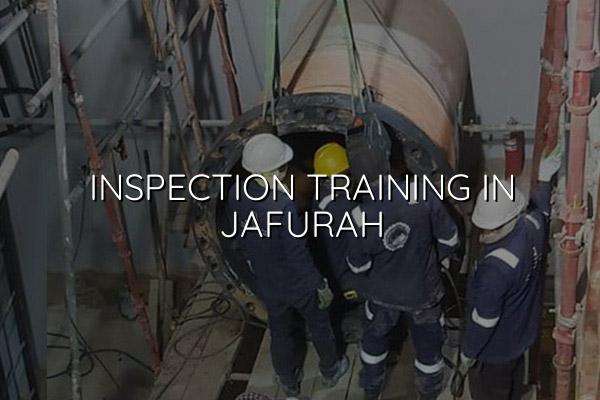
Inspection training in Jafurah helps your team spot defects earlier, write cleaner reports, and handle equipment with more confidence before a supervisor has to step in. If you manage lifting gear, portable appliances, NDT records, or PPE checks on a busy Saudi site, this page gives you a practical view of what good training should cover.
We work with industrial teams that need inspection habits they can actually use on site, not classroom theory that gets forgotten by the next shift. In Jafurah and nearby operating areas, that means clear methods, traceable records, and training that fits real oil and gas work, shutdown pressure, and contractor handover routines.
What inspection training in Jafurah should cover
A solid program should teach people how to inspect, record, and escalate issues without guesswork. For lifting equipment, that includes hooks, shackles, slings, webbing, tags, and evidence of deformation or wear; for PPE, it means looking at expiry, damage, fit, and the little signs that tell you a helmet or harness has had a hard life. For NDT teams, the training should also reinforce report control, identification, and basic defect recognition so the findings stand up during audits and handover checks.
Why site teams in Jafurah ask for practical training
Most teams don’t want generic safety talk. They want people who can walk a yard, spot a bent component, separate acceptable wear from rejectable damage, and write down what they saw in a way a QA manager can trust. That matters in Jafurah, where oil and gas schedules can get tight and a small inspection miss can create a larger delay during lifting, transport, or commissioning work.
How the learning should feel on the ground
Good inspection training should feel close to the worksite. You should see sample equipment, photos of real defects, short scenario-based checks, and the exact words the team should use in a report. We’ve found that people remember more when the trainer explains why a tag is missing, why an item is quarantined, or why a surface crack means the part comes out of service immediately.
- Start with equipment identification — trainees learn the item type, duty, serial or asset reference, and where the record should follow the item.
- Move into visual inspection — the group checks for deformation, corrosion, missing labels, broken stitching, cracks, leaks, or any sign the item no longer fits the job.
- Practice pass, fail, and quarantine decisions — each decision is tied to a clear reason so the inspector can defend the call during a site review.
- Finish with documentation and escalation — trainees write the result, note the defect, and hand off the item or report through the correct site process.
- Use actual site items, not only slides, so trainees can see wear patterns up close.
- Keep the paperwork simple enough for shift teams to complete correctly after a long day.
- Include BS EN-based lifting and inspection checks where your site procedure asks for them.
- Rehearse stop-work decisions so inspectors know when to quarantine an item immediately.
Inspection topics and what trainees should take away
| Inspection area | Typical checks | Training outcome |
|---|---|---|
| Lifting equipment | Hooks, shackles, slings, tags, visible wear, deformation | Safer acceptance and quarantine decisions |
| PPE inspection | Damage, expiry, fit, stitching, shell condition, contamination | Clear pass/fail judgment with better worker protection |
| NDT records | Identification, report traceability, defect notes, handover control | Cleaner records that support QA review |
| Site reporting | Findings, signatures, status, escalation route, asset reference | Reports that are easy to audit and act on |
Why this matters for Saudi oil and gas sites
Jafurah projects sit in a market that expects order, traceability, and disciplined handover. Training that is tied to ISO 9001:2015-style process thinking, BS EN inspection practice, and clear internal control helps your team reduce repeat findings and avoid arguments at the gate or during a third-party review. It also makes life easier for maintenance planners, because an inspection record that is written properly can be actioned without a second phone call.
What supervisors usually ask for next
After the class, supervisors usually want a short competency check, a few signed sample forms, and a way to see who has been trained on what. That’s normal. If your job moves between lifting, maintenance, and contractor management, the training should leave behind a clean list of topics and a simple record trail, not just attendance sheets.
Training that matches site reality
We’ve seen teams do fine in a classroom and then struggle on the scaffold yard or laydown area. That usually happens when the course never showed real defects, real labels, or real reporting pressure. Good instruction fixes that gap early, before the inspection work becomes routine.
Common mistakes we see in inspection teams
One common issue is overconfidence. A person has done the job for years, so they assume they can spot every fault by eye. In practice, the bad reports come from rushed checks, unclear acceptance limits, and records that miss the exact reason an item was rejected. Another issue is mixed standards: the team uses one rule for lifting gear and a different habit for PPE or NDT paperwork, which creates confusion the next time an audit starts.
We also see weak handover discipline. If a defect is found but not quarantined, or if the report is filed without a clear status, the same item can show up again on the next shift. Training should correct that with simple, repeatable steps that fit the pace of a Jafurah worksite, where contractors, supervisors, and HSE staff may all need the same answer from one inspection record.
How Mayon Industrial Services Can Help
We support inspection teams with training that connects to real industrial work, not theory on a whiteboard. Alongside inspection services, our team also handles calibration, mechanical services, electrical testing and commissioning, NDT support, and lab setup, so we understand how inspection records, equipment condition, and site controls fit together. If your team in Jafurah needs practical training that can be followed on the job, talk to us and we’ll help shape the right session.
Call +91 99447 80844 (India) or +966 59 633 8012 (Saudi Arabia), email services@mayonservices.com, or message us on WhatsApp.
Frequently Asked Questions
It usually covers visual inspection, defect recognition, pass/fail calls, reporting, and the handoff process when an item needs quarantine. For lifting and PPE work, we also like to include examples of real damage so the team can spot the difference between light wear and a true reject condition. That keeps the training close to what people face on site.
Yes, we can build the training around lifting equipment inspection needs for oil and gas work. The focus is on practical checks, record control, and safe decisions when an item shows damage or missing identification. If your site procedure refers to BS EN standards, we can keep the session aligned to that language.
Yes. Many clients want one training plan that covers more than one inspection stream, especially where the same team touches PPE checks, lifting gear, and basic NDT documentation. We keep the examples separate so the rules don’t get mixed up, because that’s where people usually make mistakes.
If the team keeps missing the same defect, writes inconsistent reports, or disagrees on quarantine decisions, a refresher is usually the right move. Another sign is when new contractors join and the handover takes too long because no one is sure which record format to use. Those are practical warning signs, and they show up quickly.
Yes, we work with clients across Saudi Arabia, India, and the wider Middle East. If your team is based in Dammam, another Saudi industrial area, or a project site in the region, we can discuss a training format that matches your work pattern. The aim is still the same: clear inspection habits that hold up on site.
Need inspection training your team can use on site?
Send us your inspection scope, and we’ll help you shape a practical session for Jafurah operations, contractor teams, or QA staff.
Contact MayonGood inspection training is simple, strict, and easy to repeat under pressure. If you want a team in Jafurah that can inspect with more confidence and write records that stand up in the real world, Mayon Industrial Services is ready to help.