
Inspection Training in Salwa
Practical inspection training for teams who need safer checks, cleaner records, and better compliance on site.
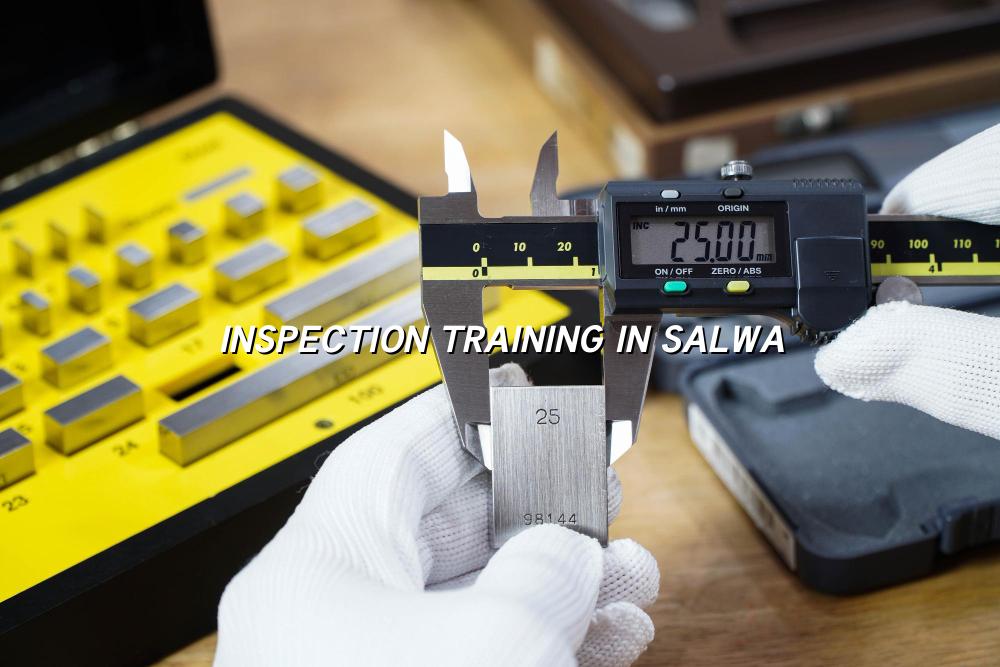
Inspection training in Salwa helps your team spot faults early, document findings properly, and handle day-to-day checks with more confidence. If you're managing lifting equipment, PPE, or basic NDT-related inspection routines, this page shows what the training should cover and why it matters on real jobs.
We work with industrial teams across India, Saudi Arabia, and the Middle East, so we see the same problem often: good equipment, but weak inspection records. A short training session can change that. It gives your supervisors, technicians, and QA people a common way to check, record, and escalate issues before they grow into stoppages or safety concerns.
Inspection Training in Salwa for practical site use
Good inspection training is not classroom theory. In Salwa and the surrounding industrial areas, teams need training that fits site reality: lifting accessories that come back from shifts dirty, PPE that gets checked at the gate, and equipment records that have to stand up during audits or client review. We keep the focus on usable skills, not just slides.
Who benefits most from this kind of training?
Maintenance supervisors, HSE staff, QA teams, rigging crews, and storekeepers all get value from it. A rigger needs to know what damage on a sling means. A storekeeper needs to know when to quarantine an item. A supervisor needs to know how to sign off a check without guessing. That shared understanding is what keeps inspections consistent from one shift to the next.
What makes the training useful on site?
We build sessions around the equipment your team actually sees, not a generic workbook. That can include lifting gear inspection under BS EN expectations, visual checks for PPE, basic rejection criteria, photo logging, and how to escalate items that need third-party inspection or repair. The aim is simple: fewer missed defects, cleaner records, and better decisions before equipment goes back into service.
- Start with a visual walk-through — identify obvious wear, deformation, corrosion, missing tags, and damaged labels before any paperwork is filled in.
- Separate serviceable and unsafe items — use a clear quarantine process so rejected gear never gets mixed with ready stock.
- Check against the right standard or procedure — use site criteria linked to BS EN requirements, internal checklists, and manufacturer instructions.
- Record findings in a usable format — capture item ID, condition, location, action required, and inspector name so the record helps the next shift.
- Teaches clear pass, fail, and hold decisions for inspection checks.
- Helps teams photograph defects the same way every time.
- Supports better handover between stores, maintenance, and HSE.
- Fits lifting gear, PPE, and related inspection routines on active sites.
Inspection topics, typical checks, and the site outcome
| Training topic | Typical checks taught | Practical outcome |
|---|---|---|
| Lifting equipment inspection | Visual condition, tags, wear, deformation, and quarantine steps | Safer use of slings, shackles, hooks, and other lifting accessories |
| PPE inspection | Damage, expiry indicators, cleanliness, fit, and rejection criteria | Better control before PPE is issued back to workers |
| Basic NDT awareness | When to escalate surface flaws, cracking concerns, or suspect defects | Cleaner handover to NDT or third-party inspectors |
| Inspection records | Item ID, date, condition, remarks, and follow-up action | Better audit trail for QA, HSE, and client reviews |
Why Salwa teams ask for inspection training
Most requests come from people who already know the site has a weak point. The equipment may be fine, but the inspection process is scattered across notebooks, WhatsApp photos, and memory. That works until a client asks for proof. Then the gaps show up fast. Training gives your team one way of working, which is easier to repeat and easier to audit.
Common gaps we see
We often see incomplete item IDs, no clear rejection rule, and no consistent method for storing inspection photos. Sometimes the inspector knows the issue, but the note is too vague for the next person. In a busy yard or workshop, that small mistake causes more rework than people expect. A short, targeted session solves a lot of that friction.
Built around real equipment, not theory
We can shape the content around lifting gear checks, PPE control, and site inspection forms used by your team. If your operation supports oil & gas, petrochemical, power, construction, or manufacturing work in Saudi Arabia or nearby GCC sites, that practical angle matters more than generic training notes.
What a solid inspection training session looks like
The first part should cover the inspection mindset. People need to know what they're looking for before they start ticking boxes. A dent, a crack, a missing latch, or a torn label can mean different things depending on the equipment, so the trainer has to explain the reason behind each check.
The middle section should be hands-on. That means looking at actual samples or site photographs, comparing acceptable and unacceptable conditions, and learning how to write a note that someone else can act on. In our experience, this is where the team starts asking sharper questions.
The final part should cover follow-up. Once an item is rejected, what happens next? Who signs it off? Where does it go? How does the record stay traceable? Those steps matter just as much as the inspection itself, especially where multiple contractors share the same yard or workshop space.
How Mayon Industrial Services Can Help
We can support inspection training with the same practical mindset we use in calibration, inspection services, and mechanical work. Our team understands how lifting equipment, PPE, and related inspection records are handled on live industrial sites, and we can align the training with the way your people already work. If you need help tightening the process, start a conversation with us.
Call +91 99447 80844 (India) or +966 59 633 8012 (Saudi Arabia), email services@mayonservices.com, or message us on WhatsApp.
Frequently Asked Questions
It usually covers the checks your team does every day: visual inspection, defect recognition, rejection criteria, tagging, and record keeping. For many clients, that includes lifting equipment, PPE, and basic awareness of when a deeper inspection or NDT step is needed. We keep it tied to the equipment on your site, not a generic course outline.
Yes. HSE teams need clear inspection language, and maintenance teams need to know when an item should be repaired, quarantined, or replaced. When both groups use the same checklist and the same rejection logic, the handover becomes much smoother.
Yes, that is usually the most useful approach. We can focus on lifting accessories, PPE inspection, tagging, and the way defects are recorded and escalated on your site. If your team also deals with inspection records for third-party review, we can include that too.
We do. Our Saudi Arabia operations in Dammam Industrial City 2 support industrial customers across the Kingdom, and we also serve clients across the wider Middle East. That matters when your site expects practical, traceable inspection habits that fit oil & gas, petrochemical, power, or manufacturing work.
We refer only to the standards and site procedures that fit the job, including BS EN standards where lifting and inspection work calls for them. The exact checklist depends on the equipment type and the customer requirement, so we don't force one template onto every site.
Ready to make inspection checks more consistent?
If your team in Salwa needs a practical inspection training plan, we can help you set it up around the equipment and records you already use.
Contact MayonWhen inspection training is done well, people stop guessing. They know what to check, what to reject, and what to document. That's the difference we aim for at Mayon Industrial Services, and it's why clients call us when they want the work done properly.