
Lifting Equipment Inspection Company in Zulfi
BS EN lifting checks for cranes, hoists, slings and accessories used on Saudi industrial sites.
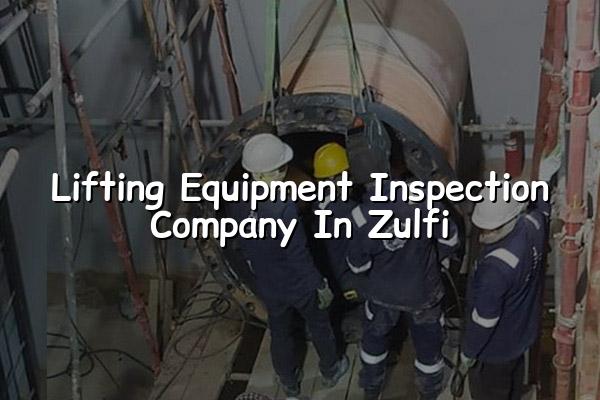
Lifting equipment inspection company in Zulfi is the phrase most site teams use when they need a proper check before a crane, hoist or accessory goes back into service. That’s the right instinct, because the real goal is simple: protect people, protect the load path and keep the lifting system fit for use.
We work with industrial teams across Saudi Arabia, including maintenance contractors, fabrication yards and construction crews who need inspection records that stand up to internal QA and site audits. In our experience, the jobs that run best are the ones where inspection, tagging and corrective action are handled before the next lift starts, not after a near miss.
Lifting equipment inspection company in Zulfi for active industrial sites
When people search for a lifting equipment inspection company in Zulfi, they usually need more than a tick-box visit. They want someone who can check cranes, hooks, shackles, slings, eyebolts, chain blocks and lifting tackles with a practical eye, then explain what’s safe, what needs rework and what should be removed from service. That matters in Zulfi and the surrounding Saudi industrial corridors where shutdowns, construction lifts and plant maintenance often overlap.
What we look at during inspection
Our inspection approach focuses on visible condition, identification marks, deformation, corrosion, missing latches, worn load-bearing surfaces and any sign of misuse. We also look at the paperwork trail, because lifting gear with no traceable record can become a liability on the next job. For lifting equipment used in oil and gas, petrochemical, power and heavy construction settings, the details count.
Why the inspection record matters
A clear report helps your supervisor decide whether a sling stays in service, goes for repair or is scrapped. It also supports internal safety systems and third-party audits. Many Saudi clients ask for straightforward findings, photo evidence and a status that their technicians can act on immediately, so the rigging team doesn’t lose half a shift trying to interpret vague comments.
- Identify the asset — confirm the equipment type, serial number, capacity marking and location before any test or visual check begins.
- Inspect the condition — examine hooks, chains, wire ropes, shackles, sling eyes, pins and fittings for wear, distortion or damage.
- Check traceability — match the item against your asset list, past inspection notes and lifting register, if available.
- Report the outcome — classify the item for use, repair, reinspection or removal, then hand over clear findings your team can act on.
- Use inspection before critical lifts, after damage and after long storage.
- Keep load tags readable and matched to the equipment body.
- Separate lifting gear from general workshop hardware.
- Remove damaged accessories from service straight away.
Typical lifting assets and what inspectors usually verify
| Equipment | Key checks | Common site concern |
|---|---|---|
| Wire rope sling | Broken wires, kinks, corrosion, termination condition | Hidden damage from poor storage or shock loading |
| Chain sling | Wear, elongation, cracks, leg condition, hook latch | Mixed tags or missing identification |
| Shackle | Pin fit, bow distortion, thread condition, markings | Incorrect size or deformed body after overload |
| Hoist or chain block | Operation, brake action, hooks, housing, load path | Unplanned stoppage during a lift |
Safer lifts start with clean records
Good lifting control is not just about the metal in your hands. It’s also about the way your team documents use, inspection status and any restrictions. For Saudi sites that follow BS EN expectations, that record has to be readable, traceable and easy to brief during a toolbox talk. The best crews keep that information close to the lift plan, not buried in a file cabinet.
Where inspection helps most
We often see the biggest value in turnaround work, plant maintenance, installation lifts and warehouse handling around ports and logistics yards. A small issue on a sling or shackle can stop an entire job if it appears late in the shift. A timely inspection saves the awkward conversation nobody wants: why the lift is already rigged but the gear cannot be used.
Practical checks, not paper exercises
We focus on what your team actually uses: lifting accessories, handling gear and the support records around them. That keeps the inspection useful on site, in the workshop and during audits.
How an inspection job usually runs in Zulfi
For most clients, the process is straightforward. We arrive, review the equipment list, inspect the items one by one and mark the result clearly. If the job includes mobile work, we can handle onsite checks where the equipment is already in use, which saves time for rigs, plants and construction teams that don’t want to haul every item to a central yard.
Step-by-step field method
That method keeps the lifting supervisor in the loop and reduces confusion around what can go back into service. It also helps when the gear belongs to multiple contractors sharing the same site.
- Review the scope — confirm the equipment types, site restrictions and any special lifting areas before we begin.
- Separate the items — group lifting gear by type so damaged pieces don’t get mixed with serviceable ones.
- Inspect and note — check the item, record observations and mark anything that needs attention.
- Close out the list — hand over the findings so your team can tag, repair or remove the equipment as required.
- Onsite work suits shut-downs and active work fronts.
- Mobile inspections reduce transport and handling delays.
- Clear tagging avoids mix-ups between approved and rejected gear.
- Photo-backed findings help supervisors brief crews quickly.
What usually triggers a failed inspection?
The items that fail most often are the ones that have been handled roughly, stored badly or pressed into service without enough care. Bent hooks, worn chain links, damaged pins and unreadable markings are common across many Saudi workshops. We also see accessories that have been painted over so many times that the original identification is barely visible. That’s a problem, because if you can’t identify the item properly, you can’t control it properly.
Another recurring issue is mismatched gear. A sling may be fine on its own, but if the working load limit doesn’t fit the lift plan or the shackle is undersized, the assembly isn’t acceptable. A good inspection company won’t gloss over that. We flag it clearly, so the lifting team can make the right call before anyone stands under a suspended load.
What your team can prepare in advance
Having the asset list ready helps. So does basic access to the gear, especially when items are stored across different laydown areas or inside containers. If you already keep inspection tags and previous reports, send them along. It makes the inspection faster to organise and easier to close out.
- Keep lifting gear clean and dry when it’s not in use.
- Store slings and shackles away from chemicals and sharp edges.
- Recheck gear after overload, impact or dropped-load events.
- Match every item to its lifting register entry.
How Mayon Industrial Services Can Help
We support lifting equipment inspection with the same practical approach we bring to calibration, mechanical services, inspection and commissioning work across Saudi Arabia. If your site in Zulfi needs lifting checks, traceable reporting and a team that understands industrial pressure, we can help you plan the job and get it done without drama. We also support related needs like NDT, testing and equipment maintenance when a lifting issue turns out to be part of a bigger mechanical problem.
Call +91 99447 80844 (India) or +966 59 633 8012 (Saudi Arabia), email services@mayonservices.com, or message us on WhatsApp.
Frequently Asked Questions
Usually it’s the site team that handles cranes, hoists, slings, shackles or other lifting accessories and needs clear status before use. We see this most often with maintenance crews, contractors, warehouses and project teams working around industrial equipment. If the lift matters to safety or production, the inspection matters too.
It normally covers visible condition, identification marks, signs of distortion, wear, corrosion and any damage that affects safe use. We also check whether the item can be tied back to a sensible record, because traceability helps your supervisor decide what stays in service and what doesn’t. If the gear is part of a lift set, the whole set should make sense together.
Yes, we can handle onsite lifting equipment inspection in Saudi Arabia, including industrial locations around Zulfi and other project areas. That helps when moving the gear is awkward or when the plant needs the inspection done where the equipment is actually used. It’s a practical option for active sites and shutdown work.
For this page, we stay within the standards allowed on the site: BS EN standards for lifting and inspection, along with the company’s ISO/IEC 17025:2017 and ISO 9001:2015 quality framework. We don’t invent extra approvals. The point is to give you inspection work that fits normal industrial QA expectations.
If it has visible damage, deformation, excessive wear, unreadable markings or signs that it has been overloaded, it should be treated very carefully. The safest route is to isolate it and have it checked before anyone tries to use it again. On site, it’s far cheaper to reject one item than to stop a lift after the crew is already in position.
Need lifting equipment checked before the next lift?
If your site in Zulfi needs inspection support for cranes, hoists or lifting accessories, get in touch and we’ll help you plan the next step.
Contact Mayon