
Mass Instruments Calibration Company in Petro Rabigh
Traceable mass calibration support for Petro Rabigh operations, with onsite visits, mobile-lab capability and in-house lab checks.
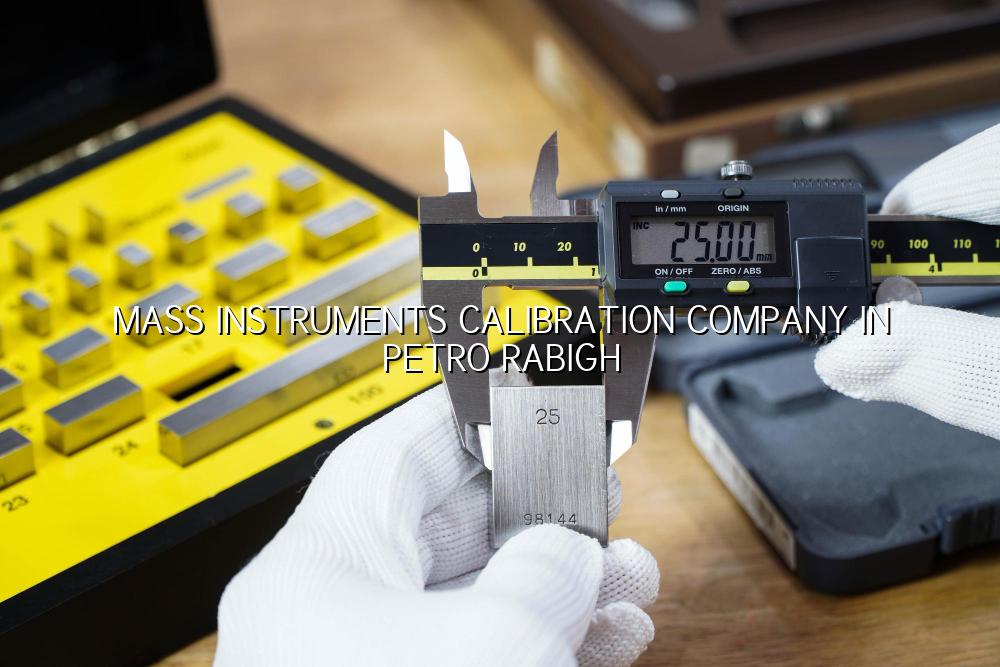
Mass instruments calibration company in Petro Rabigh is the phrase buyers use when they need weights, balances, load cells and related mass devices checked without guesswork. If that sounds like your job, this page shows how we keep measurements traceable, how we handle onsite and lab work, and what you should ask before handing over critical instruments.
We work with maintenance, QA and procurement teams that need clean records, stable readings and practical support around production schedules. Around Rabigh, Jeddah and the wider Saudi industrial corridor, that often means matching calibration work to plant access, storage conditions and the level of traceability expected under ISO/IEC 17025:2017.
Why mass instruments need a careful calibration plan
Mass instruments look simple from the outside. A bench balance, platform scale or load cell can still drift because of vibration, overload, poor leveling, temperature changes or worn mechanical parts. In a petrochemical area like Petro Rabigh, that matters because even a small shift can affect batching, inventory control, filling operations and acceptance checks during maintenance or shutdown work.
What we usually see on site
Most calls start with a reading problem, a failed internal check or a unit that no longer agrees with a master reference. Sometimes the issue is obvious, like damaged feet on a balance or contamination under the pan. Other times the instrument looks fine, but repeatability is off and the operating team has already started compensating for it in the process.
How the work is normally handled
We calibrate against suitable traceable references and record the condition of the instrument before and after adjustment, if adjustment is needed. For clients in Saudi Arabia, that usually means planning around site access, safety rules and the instrument's actual use. Some devices can be checked in place. Others are better moved to a controlled environment, especially when stability or cleanliness matters.
- Identify the instrument class — confirm whether you're dealing with a balance, scale, load cell, mass set or a weighing system.
- Check the service condition — look for damage, overload history, vibration exposure and the environment where the unit is used.
- Select the right reference — use traceable standards suited to the range and resolution of the equipment.
- Record performance — note repeatability, indication error, zero return and any adjustment made during the visit.
- Use traceable references suited to the instrument range, not just any available weight set.
- Level the instrument properly before testing; a tilted balance can waste an entire check.
- Separate routine verification from full calibration so your team knows what changed.
- Keep the environment steady; heat, dust and vibration around process areas can move readings.
Mass instruments we calibrate and what the check usually covers
| Instrument type | Common plant use | Typical check focus |
|---|---|---|
| Bench balance | Small component weighing, lab work, QC sampling | Repeatability, linearity, zero return, readability |
| Platform scale | Stores, dispatch areas, packing lines | Corner loading, indication error, load response |
| Load cell | Tanks, hoppers, silos, batching systems | Output consistency, load application, signal stability |
| Weights / mass sets | Verification and routine testing | Mass value, condition, identification and traceability |
What traceable mass calibration gives your team
A proper calibration record does more than satisfy a file requirement. It helps your team show that a weighing result can be defended during internal review, customer audits and maintenance sign-off. For sites tied to ISO/IEC 17025:2017 expectations, that traceability is part of keeping the measurement chain clear from reference standard to working instrument.
Why this matters in Rabigh operations
Petrochemical work in and around Rabigh often runs with tight material control. If a hopper, tank or packaging line is off, the issue can ripple into waste, rework or awkward checks between operations and quality teams. We keep the process practical: identify the instrument, test it properly, document the result and leave you with records you can use.
Built for site realities
Temperature shifts, dusty floors, forklift traffic and nearby vibration all affect weighing work. Our team plans around those conditions instead of pretending they don't exist, which is usually where the bad readings start.
Onsite or lab work: choosing the right path for mass instruments
Onsite calibration works well when the instrument is fixed, used in a process line or too heavy to move safely. It also helps when you want to confirm performance in the same environment where operators actually use it. Our mobile calibration lab supports this kind of work, and our temperature-controlled in-house laboratory is there when a device needs a steadier setting.
Lab work is often the better choice when a balance needs careful handling, when contamination has to be controlled or when the unit has been pulled from service for repair. We also support pick-up and delivery for instruments that need special conditions. That approach saves time for your team and keeps the equipment in the right place for the condition it needs.
How Mayon Industrial Services Can Help
Our team supports mass calibration alongside broader industrial work, so you can keep the same partner for balances, load cells, mechanical checks and related inspection tasks. We handle onsite visits in Saudi Arabia, use our mobile lab where the site suits it, and back up sensitive instruments with our controlled laboratory setup. If you need a steady process for Petro Rabigh operations, we can help you plan it properly.
Call +91 99447 80844 (India) or +966 59 633 8012 (Saudi Arabia), email services@mayonservices.com, or message us on WhatsApp.
Frequently Asked Questions
If you need traceability, plant-ready documentation and practical onsite support, choose a team that works to ISO/IEC 17025:2017 and understands industrial weighing conditions. In Petro Rabigh, that usually means checking whether the provider can handle balances, load cells and mass sets both in the field and in a controlled lab.
Yes, many load cell checks can be planned onsite when the system is fixed in place and the access conditions are safe. The key is to use the right reference loading method and make sure the surrounding structure is stable enough for a meaningful result.
You should receive a calibration record showing the instrument identification, method used, results obtained and traceability details. For internal QA teams, that record is what links the working instrument back to the reference standard used during the check.
Send it to the lab when the environment around the instrument is unstable, the unit needs careful handling or the site setup makes accurate testing difficult. That is common for smaller balances used in QA rooms, sample prep areas or controlled storage spaces.
The interval depends on how often the instrument is used, how hard it is loaded and how harsh the environment is. A busy plant with vibration, dust and frequent movement will usually need a tighter review cycle than a lightly used bench unit in a controlled room.
Yes. For Saudi Arabia, we support industrial clients from Dammam Industrial City 2 through SMC Engineering Services / Sixfaces Maintenance Co, and we also serve the wider Middle East where the job fits our scope. The service plan depends on the instrument, the site and the level of access available.
Ready to put your weighing instruments back on a traceable footing?
If Petro Rabigh operations need a dependable mass calibration plan, we’re ready to help you set it up and keep it under control.
Contact MayonGood mass calibration keeps production honest. It reduces arguments over numbers, supports QA records and gives your team a cleaner handover when equipment moves from one shift, one area or one contractor to another. If you want a mass instruments calibration company in Petro Rabigh that understands industrial reality, Mayon Industrial Services is built for that work.