
NDT Services Company in Khafji
Field-ready NDT support for Khafji projects that need clear findings, clean records and traceable inspection work.
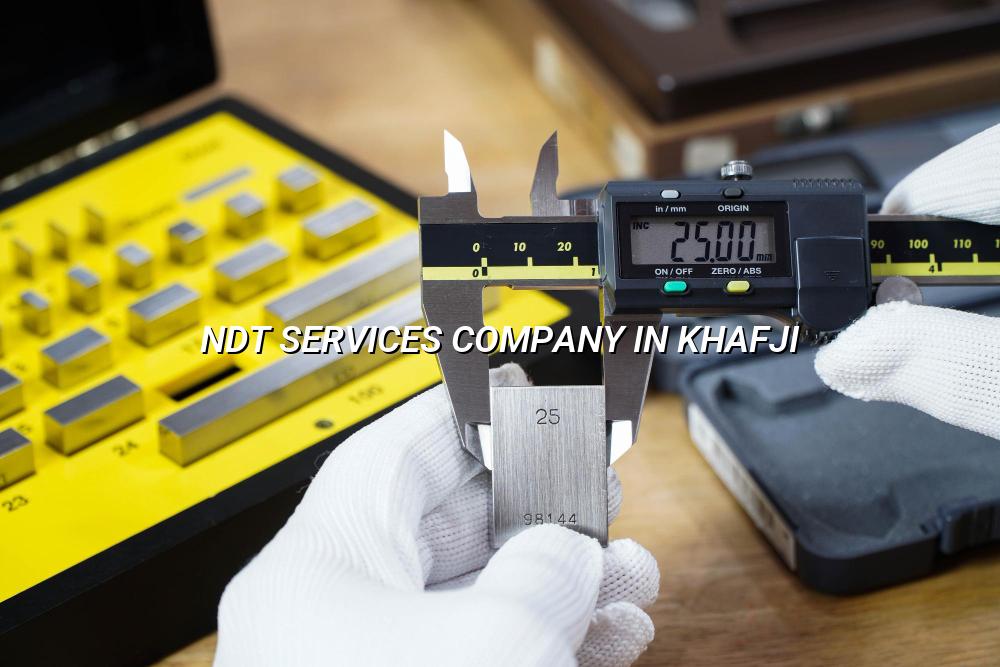
NDT services company in Khafji searches usually come from maintenance teams that need evidence, not guesses. We help you check welds, piping, lifting gear and equipment condition without cutting, drilling or shutting down more than necessary, so you can make a real decision from the findings.
Our team supports operating plants, contractors and shutdown crews working in Khafji and the wider Saudi Eastern Province, where oil and gas schedules are tight and documentation has to stand up to QA review. We bring mobile capability, clear reporting and practical inspection methods that fit field conditions.
NDT Services Company in Khafji for Plant, Pipe and Asset Checks
In Khafji, most non-destructive testing work is tied to pressure equipment, structural steel, lifting points and piping that can’t be left to visual checks alone. We plan inspections around the asset, the access you have and the defect type you’re looking for, then choose the method that gives the clearest result with the least disruption.
Which methods are used most often?
For welds and surface cracking, dye penetrant inspection and magnetic particle inspection are still the first call on many industrial sites because they reveal surface-breaking flaws fast and clearly. Ultrasonic testing is used when wall thickness, internal flaws or weld soundness need a deeper check, while radiography is selected for specific joint verification needs where film or digital evidence is required.
What field teams usually ask us for
Most requests are not just about performing the test. Teams want the result tied to a tag number, a weld map, a location on the line or a maintenance package. That’s the practical part. A report that says exactly what was examined, what method was used, what indication was found and what action is recommended saves time in the office and on the floor.
- Site review — we confirm the asset type, access limits, coating condition and the defect area you need checked.
- Method selection — we choose UT, MPI, DPI or RT based on the material, thickness and inspection purpose.
- Execution and cleaning — surfaces are prepared where needed, tests are carried out and indications are recorded clearly.
- Reporting and next steps — findings are issued for QA, maintenance or shutdown planning, with note of follow-up action where needed.
- We support weld inspection on piping, vessels and structural members in active industrial areas.
- Field work can be arranged around turnaround windows, weekend access or planned maintenance.
- Reports are written for engineers, QC teams and supervisors who need clear pass/fail evidence.
- Mobile deployment helps when the asset is too large or too sensitive to move.
Common NDT Methods Used on Khafji Industrial Assets
| Method | Best for | Typical site use |
|---|---|---|
| Visual Testing | Basic surface condition and obvious damage | First pass before any deeper inspection work |
| DPI | Surface-breaking cracks on non-porous materials | Weld toes, machined parts and repaired areas |
| MPI | Surface and near-surface flaws on ferromagnetic parts | Welds, lifting points and fabricated components |
| UT | Internal flaws and wall thickness checks | Piping, plates, vessels and critical welds |
Why Documentation Matters More Than People Expect
On industrial sites, the inspection itself is only half the job. The other half is traceability. If a flange joint, weld repair or support bracket is later questioned, your team needs records that show what was checked, when it was checked and by whom. That’s where disciplined reporting matters.
How we keep the record usable
We keep the language plain and the structure practical. Where the job needs it, findings are tied to locations, component IDs or joint numbers so QA, maintenance and project teams can work from the same page. For larger packages, this avoids the usual back-and-forth between the field, the office and the contractor.
Built for Oil, Gas and Heavy Industry
Khafji work often sits inside oil and gas maintenance, fabrication and shutdown planning. We understand the pace of those sites, and we know the report has to support the decision, not create another round of questions.
What to Prepare Before NDT Starts on Site
Good NDT work starts before the first probe touches the metal. If your team has already marked the weld numbers, cleared access and confirmed the material grade, the inspection moves faster and the result is easier to trust. That matters a lot on shutdown days, where every hour is counted.
We usually ask for the component list, the inspection area, any previous reports and the access constraints. That small set of details helps us decide whether the job needs surface methods, volumetric testing or a mix of both. If the site includes coated steel, tight pipe racks or elevated tie-ins, we also plan for the right cleaning and safety support.
- Mark the exact location or joint number before the crew arrives.
- Share any prior repair history, old indications or repeat failure points.
- Clear safe access to the test point, including scaffolding or lifting support where needed.
- Keep coating, surface condition and thickness requirements aligned with the chosen method.
How Mayon Industrial Services Can Help
We support Khafji clients with NDT, inspection and related field services that sit around real plant work, not brochure language. If you also need calibration support for gauges and instruments, mechanical checks, orbital welding or test setup help, our team can coordinate the work so your shutdown or maintenance plan stays tidy.
Call +91 99447 80844 (India) or +966 59 633 8012 (Saudi Arabia), email services@mayonservices.com, or message us on WhatsApp.
Frequently Asked Questions
It depends on the weld type and what you’re trying to find. MPI and DPI are often used for surface-breaking flaws, while UT is the better choice when you need to look deeper into the weld or check wall condition. If the job has a formal acceptance requirement, we match the method to that requirement instead of guessing.
Yes. We regularly support field work where moving the component isn’t practical, including piping, structural steel and plant maintenance items. Onsite work is the normal route for many shutdown and repair jobs because it keeps the asset in place and reduces handling risk.
Yes, we can support lifting-equipment inspection and NDT on fabricated components where the project calls for it. That helps when one package includes welded frames, hooks, eyes, brackets or other load-bearing points that need more than a visual check. We keep the findings separate so your files stay clear.
Send the site location, asset type, material if known, number of joints or points to inspect, and any previous reports you already have. If access is restricted, tell us that upfront. The more accurate the job brief, the easier it is for us to plan the right method and equipment.
Yes, that’s a major part of the work we handle from Saudi Arabia. Khafji and the surrounding Eastern Province have strong oil and gas maintenance demand, and we’re used to the documentation and site discipline those jobs need. We also support petrochemical, power and fabrication environments across the region.
Yes, and that’s often the cleaner way to handle a maintenance package. If the job also needs calibration for instruments, mechanical repair, bolt work or commissioning support, we can align the tasks so the site team doesn’t have to manage multiple disconnected visits.
Ready to book NDT in Khafji?
Send us the job details, and we’ll help you pick the right inspection method for the asset, the access and the report you need.
Contact Mayon