
Onsite Flow Meter Calibration Company in Fadhili
Onsite flow meter checks for industrial plants in Fadhili, with traceable calibration support and practical field reporting.
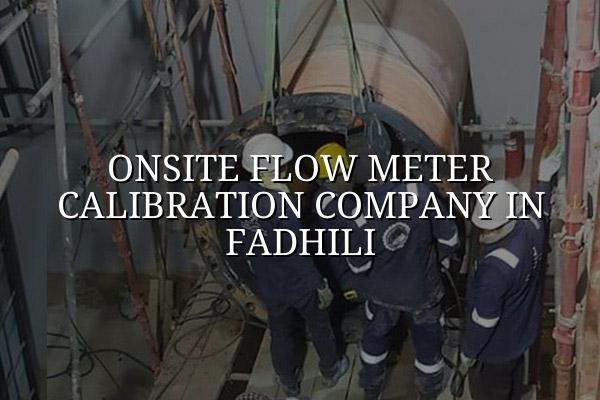
Onsite flow meter calibration company in Fadhili support matters when your process line can’t sit idle for long. We help you verify flow measurement where the meter is installed, so you can keep production moving and still have traceable records for audit and operations teams.
That’s the kind of work our team handles every week across Saudi Arabia and the Middle East. In gas, petrochemical, utilities and water applications, a meter that drifts a little can affect billing, batching, process control and maintenance planning, so field checks need to be practical, documented and done by people who understand the plant.
Onsite flow meter calibration in Fadhili for plant reliability
For Fadhili sites, onsite calibration is usually the right answer when the meter is large, hard to remove, or tied to a live process. We commonly see ultrasonic, turbine, positive displacement and electromagnetic meters in service around oil & gas and industrial utilities, and each one needs a different approach, setup and acceptance check. The goal is simple: verify performance against a known reference, spot drift early, and leave you with a record your QA and maintenance people can use.
What we check during a field visit
We start with the basics. Is the meter installed in the right orientation, is the line stable, and are the upstream and downstream conditions sensible for a proper reading? Then we look at the application itself, because a meter handling clean water is not the same as one handling hydrocarbons, chilled service or batch transfer. In many cases, the issue is not the sensor alone; it’s air entrainment, poor straight run, fouling, wiring faults or an installation change that nobody logged.
Why onsite work saves time
Removing a flow meter can mean isolation permits, crane planning, reinstallation checks and another round of commissioning. Onsite service cuts out a lot of that. In Fadhili, where plant access and shutdown windows are often tight, being able to work with your equipment in place makes life easier for operations. We bring the field tools, the reference equipment suited to the job and the paperwork needed for internal traceability.
- Review the meter details — we confirm tag number, service medium, size, range and the last known calibration or verification record.
- Inspect the installation — our technician checks straight run, earthing, direction of flow, condition of fittings and any visible process issues.
- Set up the reference method — we choose the right field method for the meter type and process conditions, then stabilize the reading.
- Compare and record results — the live indication is checked against the reference, and the findings are documented for your maintenance file.
- Suitable for meters that are difficult to remove from skid-mounted or pipe-rack installations
- Helps catch drift caused by fouling, vibration, wiring defects or changing process conditions
- Supports internal QA, maintenance planning and inspection readiness
- Reduces the disruption linked with dismantling, shipping and reinstallation
Flow meter calibration reference for onsite work
| Meter type | Typical Fadhili use | Field focus |
|---|---|---|
| Ultrasonic | Large-bore process and utility lines | Signal quality, transducer condition, installation stability |
| Turbine | Measured transfer and clean liquid service | Rotor response, bearing condition, repeatability |
| Electromagnetic | Water and conductive fluid lines | Grounding, liner condition, empty-pipe effects |
| Positive displacement | Batching and custody-related duties | Seal wear, mechanical drag, output consistency |
Why ISO/IEC 17025 traceability matters in the field
When a plant asks for calibration support, the real question is often about trust in the result. ISO/IEC 17025:2017 gives your team a common language for competence, method control and records. In a busy industrial setting, that matters more than a fancy report. It helps procurement, QA and operations talk about the same meter with the same evidence.
Records your team can actually use
We keep the findings clear: meter identification, site condition, observations, measured values, and any obvious issues that should be corrected before the next run. That way, the report is not just a document for filing. It becomes a working tool for maintenance shutdowns, internal audits and vendor follow-up. If a meter needs bench work or controlled conditions, we can also arrange pickup and delivery for instruments that shouldn’t stay in the field.
Field service built around plant realities
Fadhili sites often need work that respects permits, access restrictions and live operations. We plan around that, and we keep the setup lean so the job can be done without creating extra friction for your shift team.
How to prepare for an onsite flow meter visit
A clean site handover saves time. Before we arrive, it helps to have the meter tag, P&ID reference if available, service medium, pipe size, range and the reason for the visit. If the meter sits in a hazardous or restricted area, tell us in advance so we can align with your site rules. We also find it useful when the operations team can confirm the expected flow condition during the visit, because a meter checked at low, unstable flow tells a different story from one checked at normal operating load.
What happens after the field check
Once the work is done, we can discuss whether the meter is fit to keep running, needs cleaning or repair, or should be removed for controlled laboratory calibration. That part is where experience helps. Some meters are fine after a field verification. Others need a deeper look because the signal issue was only a symptom. We keep the discussion practical and tied to the process, not just the instrument.
- Share the meter tag, service medium and line size before the visit
- Confirm access, permit requirements and any isolation limits
- Let the operations team know the preferred time window for steady flow
- Keep previous reports handy so drift can be compared sensibly
Common flow meter problems we find onsite
Most onsite investigations start with a simple complaint: the numbers don’t look right anymore. In practice, the cause can be mechanical wear, fouling, a damaged cable, poor grounding, trapped gas, or process conditions that changed after a plant modification. One Saudi client in a gas-related utility area found that an apparently healthy meter had inconsistent readings only because the piping arrangement had changed during a later maintenance job. The meter wasn’t the whole problem.
That’s why field calibration is not just a measurement exercise. It’s also a check on how the meter lives in the system. If you’re working in Fadhili, Jubail, Dammam or anywhere across the Eastern Province, this kind of local, plant-aware inspection saves a lot of guessing. The best outcome is a result your team can act on the same day.
How Mayon Industrial Services Can Help
We support onsite flow meter work with the same practical mindset we bring to calibration, inspection and commissioning jobs across Saudi Arabia. If the job needs field verification, repair support, installation checks or a move to controlled lab conditions, our team can help you pick the right route. We also work with the broader industrial picture, so your meter issue is handled in context, not as an isolated instrument fault.
Call +91 99447 80844 (India) or +966 59 633 8012 (Saudi Arabia), email services@mayonservices.com, or message us on WhatsApp.
Frequently Asked Questions
Plants that can’t easily remove meters from service usually need onsite support. That includes oil & gas facilities, utilities, process plants and skid-mounted systems where shutdowns are expensive or tightly scheduled. If the meter is part of a transfer, control or monitoring loop, field verification is often the sensible first step.
Yes, for many applications we can verify the meter in place. The exact method depends on the meter type, process conditions and site access. If the meter needs deeper adjustment or a controlled environment, we’ll say so plainly and help you plan the next step.
At minimum, it helps to have the meter tag, service medium, line size, range and the reason for the visit. If you have the last report, P&ID reference or loop sheet, bring that too. It saves back-and-forth and helps us compare the meter against its history.
Yes, we support sites in Saudi Arabia, including Dammam Industrial City 2 and the wider Eastern Province. Our field work is planned around the realities of industrial plants, so the visit fits your access rules, shift timing and permit process as closely as possible.
We usually see ultrasonic, turbine, electromagnetic and positive displacement meters in industrial service. Each type behaves differently in the field, so the check has to match the meter and the process. A one-size-fits-all method doesn’t work well here.
Need a field check you can trust?
If your flow readings need a proper onsite review in Fadhili, we’re ready to help you sort it out and keep the plant moving.
Contact Mayon