
Onsite Pipeline Hydrotesting Service Company in Rabigh
Controlled hydrotesting for pipelines, skids and pressure systems at your site in Rabigh, with practical support for shutdowns and new installations.
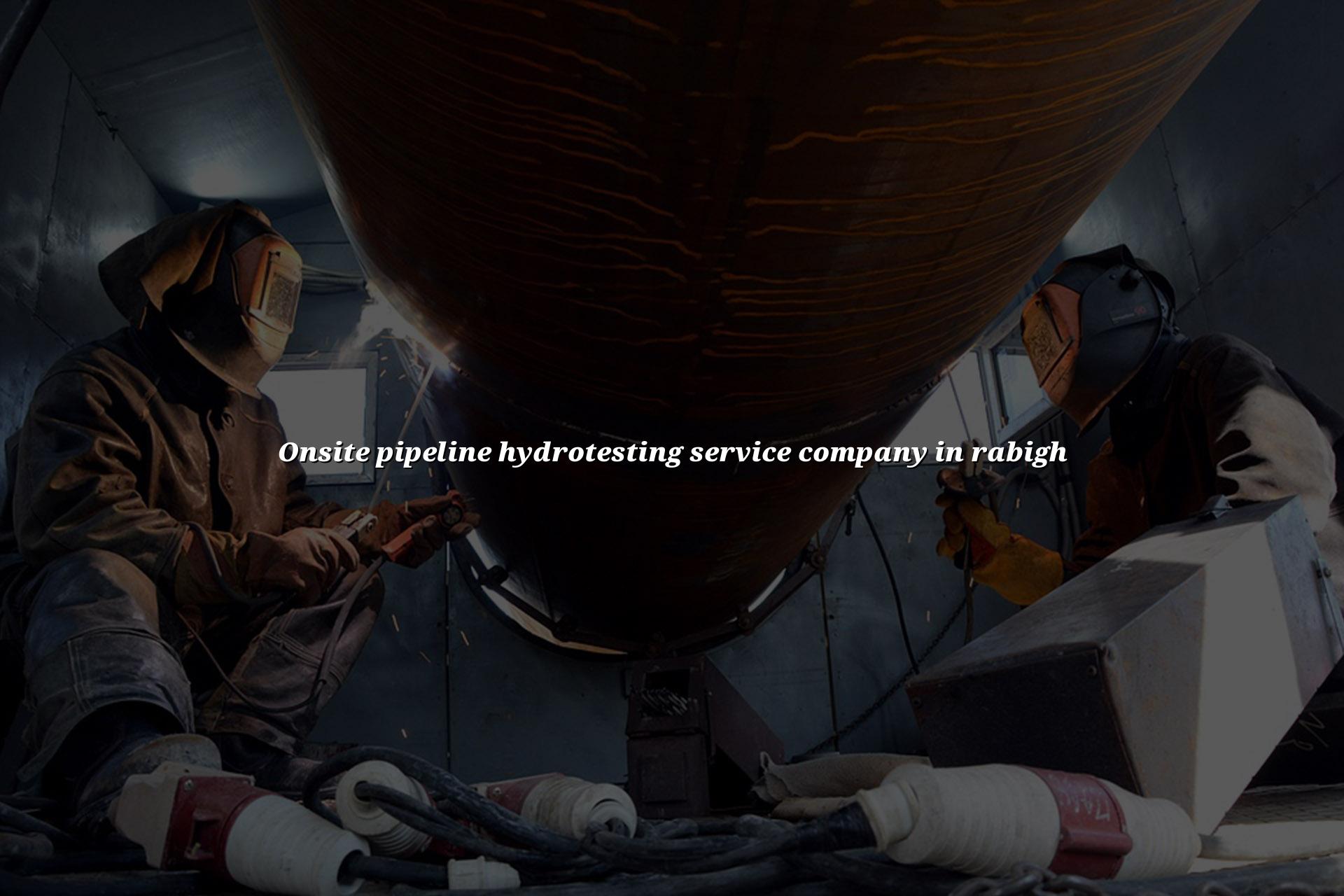
Onsite pipeline hydrotesting service company in Rabigh support starts with one simple need: prove the line holds pressure before the job moves forward. If you're handling a refinery tie-in, a new utility line or a shutdown package, you need testing that is controlled, documented and done where the system actually sits.
We work with industrial teams who want practical pressure testing on site, not a long back-and-forth over logistics. In Rabigh and across Saudi industrial work, that usually means getting the right pumps, gauges, isolation points and test records in place so the pipeline can be handed over with confidence.
Why onsite pipeline hydrotesting matters in Rabigh
For pipeline packages, hydrotesting is more than filling a line with water and watching a gauge. The real value is in verifying integrity under controlled pressure, checking for leaks at joints and flanges, and making sure the system behaves the way your project design expects. In Rabigh, where oil & gas, petrochemical and utility work often runs on tight shutdown windows, onsite testing avoids unnecessary movement of large spools and reduces the chance of damage during transport.
What we see most often on site
Most teams call when the line is already installed and they need a reliable test partner to work around live plant constraints, access limits and permit conditions. That can mean a short tie-in spool, a new firewater run, a process line, or a skid package that must be verified before commissioning. We plan the test around your site realities, not around a brochure version of the job.
Pressure control and documentation
A good hydrotest needs stable pressure, suitable test fluid, correct isolation and a record that people can sign off on later. We keep the focus on pressure holding, visible leak checks and traceable results. Where the scope requires it, we can also support related mechanical work, valve or flange handling, and other commissioning tasks so the whole package moves in one direction.
- Site review — we confirm the line route, test boundaries, access points and the pressure class before any equipment is connected.
- Isolation and preparation — blinds, caps, vents and drains are checked so the system can be filled safely and air can be removed.
- Pressure application — the line is raised to the agreed test pressure in a controlled way, with gauge reading and hold monitoring throughout.
- Inspection and record — we inspect joints, flanges and visible sections, then prepare the test record for your QA and commissioning file.
- Plan the test during a window when access, permits and drainage are all available.
- Use calibrated gauges and test instruments so the readings are traceable.
- Keep flange faces, gaskets and temporary fittings under close visual check before pressurising.
- Make sure vents are opened properly to reduce trapped air and unstable pressure readings.
- Record the test configuration clearly, especially if the line is part of a larger commissioning package.
Common onsite hydrotesting choices for pipeline work
| Test item | Typical site use | What it helps confirm |
|---|---|---|
| Process pipeline | Refinery, utility and transfer lines in Rabigh | Leak tightness and pressure containment at joints and flanges |
| Firewater line | Safety and protection systems | Integrity before handover to operations or civil completion |
| Skid piping | Packaged equipment and modular units | Fitness of welded and fitted connections before commissioning |
| Auxiliary lines | Drain, vent and support circuits | Installation quality and readiness for final hookup |
How we keep the test controlled and practical
Our team pays attention to the small things that often cause trouble later: trapped air, weak temporary fittings, poor gauge placement and unclear test boundaries. Those issues can turn a simple pressure test into a long delay. By setting up the job carefully, we help you avoid rework and reduce the chance of repeat testing after the first run.
When a line should be tested onsite
Onsite testing makes the most sense when the pipeline is already installed, the route is too large or awkward to move, or the client needs the result tied directly to the installed condition. That is common in Saudi industrial sites around Rabigh, where tie-ins, plant expansions and shutdown work need disciplined execution. If the system belongs to a wider package, we can coordinate hydrotesting with mechanical support and commissioning tasks.
Field-ready support for industrial teams
We bring pressure-testing experience to the jobsite with a practical approach. That includes calibrated instruments, site coordination and a report trail that QA teams can review without chasing missing details.
What affects the result during pipeline hydrotesting?
Line size and layout
Long runs, branch lines and elevation changes can alter how the system fills and holds pressure. We plan for that before the pump starts.
Instrumentation quality
Gauges, charts and pressure points need to be suitable for the job. Calibrated instruments give your test record real value.
Preparation work
Temporary fittings, vents and caps have to be checked before fill-up. Small mistakes here are the ones that usually waste the most time.
How Mayon Industrial Services Can Help
We support hydrotesting jobs with the same hands-on approach we use across calibration, mechanical services and commissioning work. If your Rabigh package needs pressure testing, related flange work or a calibrated instrument trail, we can keep the job moving with less guesswork. For wider project scopes, our team can also coordinate onsite support across Saudi Arabia and the Middle East.
Call +91 99447 80844 (India) or +966 59 633 8012 (Saudi Arabia), email services@mayonservices.com, or message us on WhatsApp.
Frequently Asked Questions
Usually it's project teams working on refinery, petrochemical, utility or firewater piping that needs pressure verification before handover. It also comes up during shutdown work, tie-ins and modular skid installation where moving the system elsewhere just doesn't make sense.
We check whether the line holds pressure, whether any joints or flanges show visible leakage, and whether the system was prepared correctly before filling. The test record should also show the pressure arrangement, the instruments used and the final condition of the line.
Yes, provided the work is planned around permits, isolation, access and safe drainage. In practice, that means the test boundary has to be clear and the plant team has to know exactly what is being tested so the rest of the site stays protected.
Because the pressure reading is only as good as the instrument behind it. If your gauge or related test equipment is off, the record becomes harder to trust. We work with calibration discipline in mind, so the numbers on the sheet mean something to QA and commissioning teams.
Send the line details, site location, test scope and any drawing or pressure class information you already have. From there, we can review the job and discuss the best way to handle it onsite through our India or Saudi Arabia contacts.
Ready to test the line with confidence?
Send us your Rabigh pipeline scope and we'll help you plan the onsite hydrotest with clear coordination and a practical site approach.
Contact MayonFor Rabigh projects, the best hydrotest is the one that fits the site, the schedule and the handover file without creating extra noise. That's the standard we work to, and it's why so many industrial teams prefer a partner who knows both calibration discipline and field execution.