
Onsite Pipeline Hydrotesting Service Company in Jeddah
Certified hydrotesting support for Jeddah projects, with mobile equipment, field coordination and clear test records.
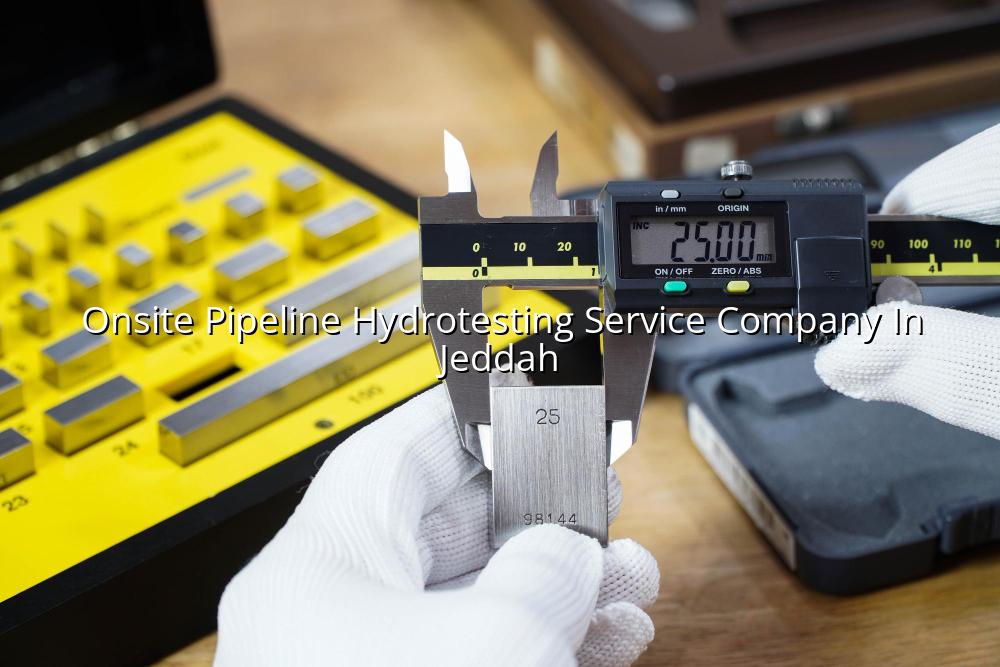
Onsite pipeline hydrotesting service company in Jeddah is the exact kind of support you need when a line must be proven safe without taking it out of the site flow for long. We help you confirm pressure integrity, spot leaks early, and get clear test records that your QA team can file with confidence.
Our team works on Saudi industrial sites, including oil & gas, petrochemical, utility and construction projects around Jeddah and the wider Western Province. We bring mobile equipment to site, coordinate the test plan with your team, and keep the process practical for live project conditions.
What an onsite pipeline hydrotesting service company in Jeddah should cover
A proper hydrotest is more than pumping water into a line and watching a gauge. The job starts with isolating the section, checking the piping arrangement, selecting the right test medium, and agreeing on the test pressure, hold period and acceptance points before the crew begins. On Jeddah projects, that planning matters because site access, tie-in windows and environmental control can all affect how smoothly the work goes.
How we set up the test
We normally begin with a site walk, line identification and a quick review of fittings, blinds, vents and drains. Then we prepare the temporary rigging, pressure source and calibrated instruments so the test can be run with fewer interruptions. If the line needs a hold and monitor cycle, we stay focused on the readings and the condition of the system, not just the headline pressure number.
Why clear records matter
Most plant teams in Saudi Arabia want the same thing: a test they can trust and documents they can hand to the client, consultant or maintenance file. That means readable pressure charts or logs, instrument traceability, and a practical note of what was tested, where it was tested and what the result was. We keep the reporting simple enough for site use, yet detailed enough for formal closeout.
- Review the line and scope — confirm the pipe section, test boundary, drawing reference and any temporary blanks or isolation points.
- Prepare calibrated instruments — use pressure gauges, comparators and supporting equipment with traceable calibration status.
- Fill, vent and stabilize — remove trapped air, bring the system up in stages and watch for abnormal movement or leakage.
- Hold and inspect — maintain the agreed pressure, inspect joints, welds, flanges and accessories, then record the outcome.
- Issue the closeout record — share the test notes, readings and any punch points so the next workfront can move ahead.
- Field crews save time when the hydrotest rig, hoses and instruments arrive ready for immediate setup.
- A clean line list avoids confusion on multi-trade sites with several spools, loops and tie-ins.
- Good venting helps reduce false pressure loss caused by trapped air in the system.
- Traceable gauges and logs support QA review, consultant sign-off and internal handover.
- Onsite coordination is usually faster than moving a long or awkward section to a remote yard.
Hydrotesting checkpoints for Jeddah pipeline work
| Checkpoint | What we verify | Why it matters |
|---|---|---|
| Isolation and boundaries | Test section, blinds, valves and tie-in limits | Prevents testing the wrong line or loading live equipment |
| Instrument readiness | Gauge condition, calibration status and range | Supports traceable readings and cleaner closeout records |
| Vent and fill sequence | Air removal and controlled pressure build-up | Helps avoid unstable readings and unnecessary rework |
| Hold inspection | Flanges, welds, fittings and visible leakage points | Shows whether the system is holding under test pressure |
The quality habits that keep hydrotests usable later
Hydrotesting only helps if the result can stand up to a later review. We keep an eye on instrument traceability, line identification, hold pressure notes and the condition of the tested section so the record still makes sense when the project file is reopened months later. For contractors working around Jeddah, that can save a lot of back-and-forth with the client team.
What we watch closely on site
Small details create big problems if they’re missed. A partially open vent, a poor isolation point, or a gauge that’s outside its useful range can all distort the test. In our experience, the jobs that run best are the ones where the pipe spool list, test pack and现场 crew brief all line up before water goes in.
Built for Saudi project conditions
Our field work fits the pace of industrial shutdowns, construction handovers and maintenance stops. We serve Jeddah and the wider Middle East with practical on-site support, plus the documentation QA teams need for file control and client review.
Why many pipe and plant teams bundle hydrotesting with other work
Projects rarely stop at hydrotesting alone. A piping package may also need flange work, bolt torquing, cold cutting, testing and commissioning support, or later repair and maintenance on pumps and auxiliary systems. When those services come from one team, the site manager spends less time chasing separate vendors and more time closing the job.
That matters in Jeddah, where contractors often work against handover dates and interface with several trades at once. We know that a clean hydrotest report can be just as valuable as the test itself, especially when the next phase depends on a consultant sign-off or a client inspection walkdown.
What to ask before you book hydrotesting in Jeddah
Before you book any hydrotest, ask about the test medium, the instrument ranges, the line isolation method and the kind of report you’ll receive after completion. You should also ask whether the team can work onsite with your shutdown plan, because moving a long pipe section offsite is not always realistic. For many industrial clients, the deciding point is simple: can the vendor arrive prepared and keep the test moving without improvising on the day?
- Confirm whether the test is for a new build, a repair section or a revalidation after maintenance.
- Ask for the instrument list so you know what will be used on your line.
- Share drawings, spool numbers and the boundary of the test section before the crew arrives.
- Make sure the site team knows who will witness the test and who signs the record.
How Mayon Industrial Services Can Help
We support Jeddah projects with onsite hydrotesting, calibrated pressure equipment and practical field coordination. If your scope also needs calibration, mechanical support, inspection, orbital welding, or lab setup, our team can line up the right service so your shutdown or handover stays moving. Give us the line details and we’ll help you plan the work the right way.
Call +91 99447 80844 (India) or +966 59 633 8012 (Saudi Arabia), email services@mayonservices.com, or message us on WhatsApp.
Frequently Asked Questions
Honestly, the best fit is the team that can reach your site, understand the piping scope, and bring proper calibrated equipment without wasting your crew’s time. In Jeddah, that usually means a vendor who knows how industrial shutdowns work and can coordinate with your QA and maintenance people on the ground.
It normally includes site review, line isolation, setup of the test rig, filling and venting, pressure build-up, hold inspection and a written test record. For industrial clients, the report is often just as important as the test, because it supports handover and file control.
Yes, that’s the sensible way to do it. Calibrated gauges and supporting instruments make the readings easier to defend during QA review, consultant inspection and client closeout. It also helps reduce arguments if a pressure reading needs to be checked later.
Yes, if the scope is isolated properly and the site team has planned the window. We often work around operating plants, maintenance stops and construction handovers, but the line boundary and access plan need to be clear before the crew starts.
Ask for the pressure readings, line identification, test boundary notes and any observations made during the hold period. If the test was part of a larger package, you may also need witness signatures or internal closeout notes for the project file.
Yes, we work across Saudi Arabia and the Middle East. We also support clients in India from our Chennai head office, so if your project has sites in more than one location, we can usually keep the support structure consistent.
Ready to book hydrotesting with a team that knows field work?
Send the line details, and we’ll help you plan an onsite test that suits your project, your site access and your handover file.
Contact Mayon