
Onsite Pipeline Hydrotesting Service Company in Riyadh
Pressure testing for pipelines, skids and plant systems with onsite crews, calibrated instruments and practical field support in Riyadh.
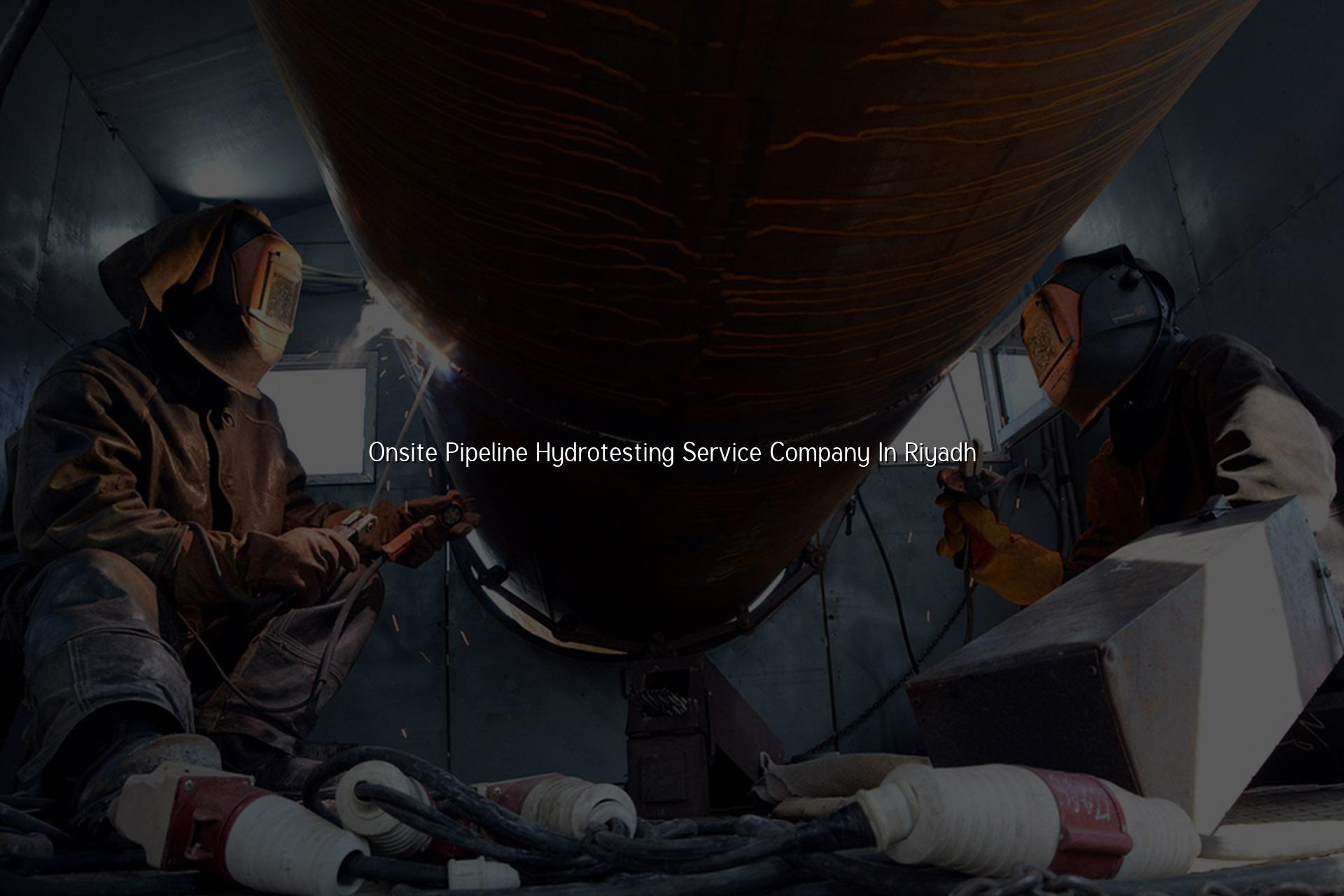
Onsite pipeline hydrotesting service company in Riyadh teams need should be able to mobilize fast, test safely, and leave the line ready for the next stage. That is exactly what this page helps you evaluate: how onsite hydrotesting works, what equipment and records matter, and what a proper field setup looks like before you sign off on a project.
We work with industrial clients who need pressure testing on real sites, not in theory. In Riyadh and across Saudi Arabia, that usually means pipelines, manifolds, skids, process lines and utility systems where access is tight, downtime matters, and the test has to be documented clearly for the client, contractor and QA team.
What an onsite pipeline hydrotesting service company in Riyadh should deliver
A good hydrotesting partner does more than connect a pump and raise pressure. You want a team that checks the line condition, confirms test boundaries, isolates sensitive equipment, uses calibrated gauges and records the result in a way that makes sense to your project manager and QA/QC lead. For Saudi industrial work, that discipline matters on brownfield plants, new construction packages and tie-in jobs where the margin for error is small.
Why field crews ask for calibrated instruments first
Hydrotesting is only as credible as the measuring equipment behind it. We see this often on pipeline and process work: the client wants pressure confirmation, but the contractor also needs traceable readings, safe venting, controlled filling and a clear test record. That is where ISO/IEC 17025:2017 calibration support helps, especially for pressure gauges, indicators and related instruments used before and after the test.
What changes when the work is onsite
Onsite work adds practical issues that you do not face in a lab. You may be dealing with restricted access, live plant interfaces, temporary hoses, variable water supply, hot weather, and the need to coordinate with shutdown windows. In Riyadh, that can mean planning around civil readiness, lifting access, utility isolation and the client’s permit process before a single hose is connected.
- Survey the line and test limits — confirm the pipeline section, blind points, vent points, drains and any instruments that must stay out of the test.
- Prepare the system — flush, clean and isolate the line, then check supports, gaskets and temporary fittings for obvious weak points.
- Set up pumping and measurement — install the hydrotest pump, calibrated gauges and any data capture points needed for the report.
- Pressurize in a controlled way — raise pressure gradually, watch for hold stability, and check for leaks at flanges, welds and fittings.
- Depressurize and document — release pressure safely, drain the line, capture observations and issue the test record for handover.
- Use calibrated pressure instruments, not unverified gauges from site stores.
- Confirm whether the package needs water, clean fresh water or another approved test medium.
- Protect valves, instruments and equipment that should never be pressurized during the test.
- Keep a written record of boundaries, hold observations and any repair points found.
- Plan the test around plant access, crane use, permits and the client’s shutdown window.
Common onsite hydrotesting elements and what the team checks
| Item | Field Check | Why It Matters |
|---|---|---|
| Pipeline boundaries | Identify blinds, caps, vents and drains before filling | Prevents accidental pressurization of the wrong section |
| Pressure instruments | Use calibrated gauges and verify readings before the test | Supports reliable and traceable test data |
| Test medium | Confirm water quality and filling method with the client | Protects equipment and avoids contamination issues |
| Hold period | Observe pressure stability and inspect all joints carefully | Helps detect leaks, gasket issues and weld defects |
| Test record | Log pressure, site notes and final observations | Gives QA and project teams a clean handover trail |
Safety, traceability and site control are what clients look for
Most clients calling for hydrotesting in Riyadh are trying to reduce risk before commissioning, handover or a plant restart. They want the line proven, but they also want the process handled with care. That means controlled pressurization, safe isolation, proper drainage and clear communication with the site supervisor. On petrochemical, power and construction jobs, the best teams also keep the paperwork tidy because that record often moves faster through approvals than a verbal update ever will.
Where the paperwork helps you later
Good test documents save time during handover, snag closure and future maintenance. If a leak appears later, the client can look back at the recorded test boundary, pressure notes and repairs. We find that engineers appreciate this more than sales language; they need proof, not promises.
Built for plant work, not showroom work
Riyadh sites often need a team that can work around construction crews, piping contractors, electrical teams and QA inspectors at the same time. That is where onsite hydrotesting becomes a coordination job as much as a technical one. The setup should fit the site, the schedule and the line size you actually have on the ground.
Where onsite pipeline hydrotesting is used in Riyadh projects
Oil & Gas and petrochemical packages
These jobs often need pressure testing for process lines, utility headers, skids and temporary tie-ins. The work can involve tight shutdown windows, multiple contractors and formal client witness points, so a calm field crew matters more than a flashy sales pitch.
Power, manufacturing and plant utilities
Cooling water, fire lines, compressed utility runs and auxiliary systems all need pressure integrity before service. In many factories, the real issue is access, not complexity, which is why mobile equipment and onsite testing experience help the job move cleanly.
How Mayon Industrial Services Can Help
We support onsite hydrotesting with calibrated pressure instruments, mobile-lab capability and field teams used to industrial jobs in Saudi Arabia. If your package also needs calibration, mechanical support, inspection, orbital welding or lab setup, we can line those up under one scope so the work keeps moving. That helps when the site is busy and you don’t want five different vendors arguing over one test boundary.
Call +91 99447 80844 (India) or +966 59 633 8012 (Saudi Arabia), email services@mayonservices.com, or message us on WhatsApp.
Frequently Asked Questions
We do, for sites that need pressure testing handled in the field with proper controls and traceable instruments. That usually covers pipeline sections, skids, utility lines and plant packages where the contractor needs a clean test record for handover. We work in Riyadh and across Saudi Arabia, so the setup is planned around site access and the client’s shutdown window.
Typically, we look at the test boundaries, isolation points, pressure instruments, filling method and safe depressurization. The exact scope depends on the line size, system layout and client requirements. If calibration records or related mechanical support are needed, we can align those services too.
Yes, because without that the result is hard to defend during QA review. We rely on calibrated instruments and clear site records so the reading, the pressure hold and the final observations are all easy to trace. That matters on industrial work where people need proof, not just a verbal sign-off.
Yes. Brownfield work is common, and it usually needs extra care around live interfaces, permits and access constraints. Our team plans the test around the site’s actual conditions, which is often the difference between a neat job and a stressful one.
We usually see requests from oil and gas, petrochemical, power, construction, manufacturing and cold-chain related facilities. The exact line type changes from project to project, but the need is the same: verify the integrity of the system before commissioning or return to service. That’s standard practice on serious industrial sites.
Yes, and that is often easier for the client. We can combine hydrotesting with calibration, mechanical services, inspection, orbital welding, repair work or lab setup support depending on the project. One point of contact usually makes site coordination simpler.
Ready to get the line tested properly?
If you need a pressure testing partner who understands Riyadh sites, field constraints and the paperwork that follows, speak with our team today.
Contact Mayon