
Onsite Pipeline Hydrotesting Service Company in Safaniya
Field hydrotesting support for Safaniya works that need safe pressure control, clear records and practical mobilization on site.
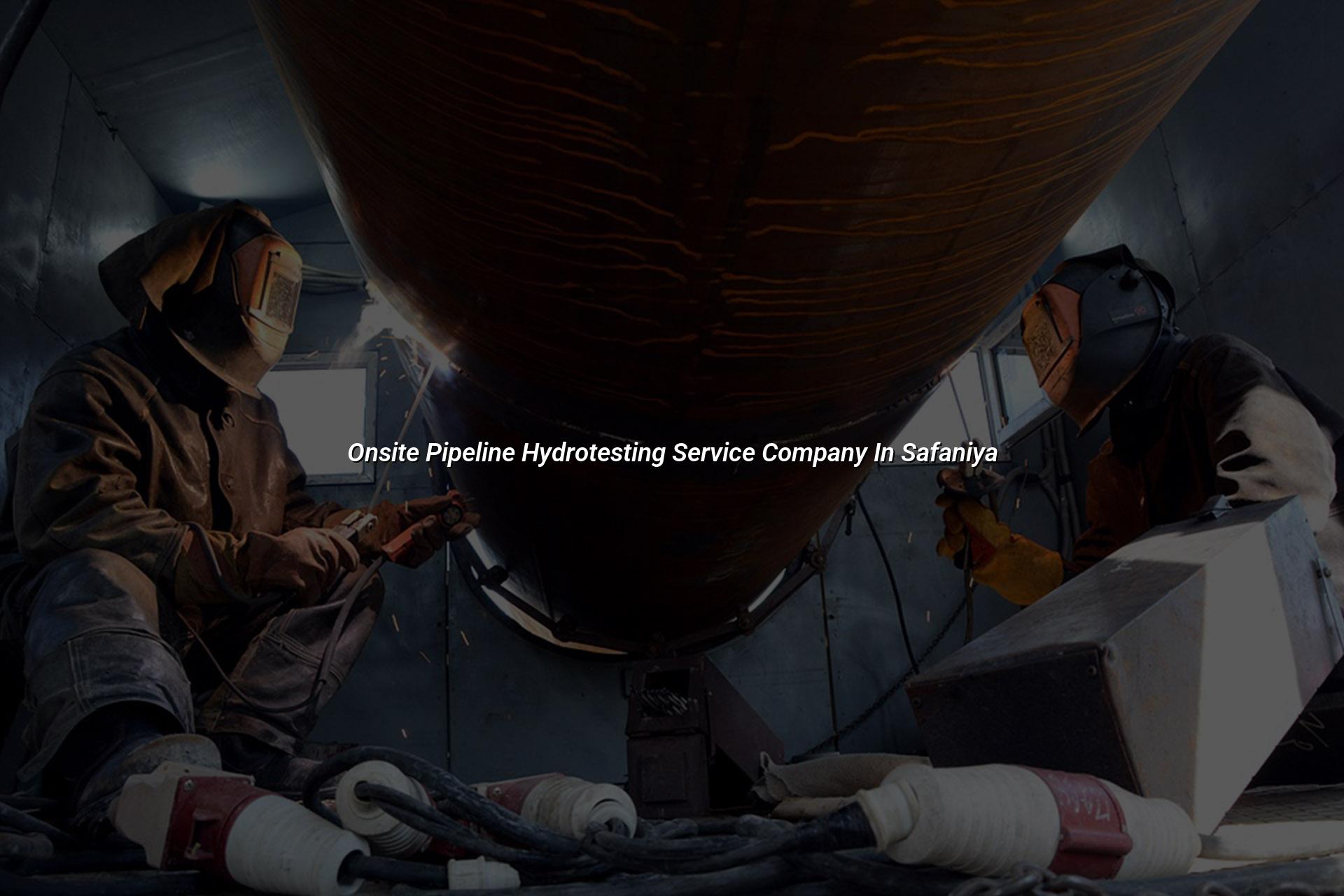
Onsite pipeline hydrotesting service company in Safaniya support matters most when the line is ready, the crew is on standby, and the client wants the test done without fuss. We help you move from fabrication or repair to a controlled pressure test with the right setup, documented readings and a clear pass or hold decision.
Our team works the way site engineers in Saudi Arabia expect: careful isolation, calibrated instruments, practical test packs and reporting that stands up to QA review. If your scope sits in Safaniya, the Northern Province or nearby industrial and oilfield areas, we can mobilize to site and handle the pressure test on the equipment you actually have.
Onsite pipeline hydrotesting service company in Safaniya for field teams
Pipeline hydrotesting is not just filling a line with water and watching a gauge. In real site conditions, you need the right test medium, venting, temporary fittings, blanking, pressure control and a disciplined hold period so the result means something. That is especially true for Saudi oil and gas work, where piping systems, manifolds and connected equipment often sit in active brownfield environments with tight permit control.
Why Safaniya projects ask for careful field execution
Safaniya jobs often involve production support, tie-ins, maintenance shutdowns or package testing where space is limited and the schedule is tight. An onsite team saves you from moving long pipe sections to a remote facility, and it also helps when the system must be checked in its installed condition. We bring mobile calibration lab capability, so the pressure instruments used for the test are verified and traceable before the line is pressurised.
What we focus on before pressure goes in
Before the pump starts, we look at the line layout, test boundaries, code or project requirement, filling point, vent point and the drain path. We also check whether the system needs special cleaning, temporary supports, a dead weight tester, pressure comparator or other calibrated device. In our experience, a careful setup prevents most of the arguments that happen later over gauge drift, trapped air or a loose connection that should have been caught early.
- Confirm the test boundary — we identify the exact section to be tested, isolate live equipment and mark the tie-in points clearly.
- Prepare the line — the crew fills, vents and checks for obvious leakage before pressure is raised in a controlled way.
- Raise to test pressure — pressure is increased step by step, with instrument readings watched closely and no rushed jumps.
- Hold and observe — the line is held at the required level while joints, welds and fittings are inspected for pressure loss or visible seepage.
- Drain, dry and document — we safely release pressure, drain the system and hand over the readings, observations and test record.
- Use calibrated gauges, recorders and verification equipment before any field test starts.
- Keep venting points open until trapped air is removed; air pockets distort the result.
- Plan the test water source, drainage and disposal path before the crew arrives on site.
- Confirm flange blanks, hoses, manifolds and temporary fittings are rated for the planned pressure.
- Use a written test pack so QA, maintenance and the client team see the same numbers.
Typical onsite hydrotest considerations for pipeline work
| Work item | Why it matters | What we check onsite |
|---|---|---|
| Boundary isolation | Prevents pressure reaching live lines or connected equipment | Blinds, valves, temporary spades and marked limits |
| Calibration traceability | Makes the reading defensible during QA review | Pressure gauges, recorders and verification records |
| Air removal | Air pockets can distort pressure behavior | Vents, high points and filling sequence |
| Drainage control | Protects the site and speeds safe closeout | Hoses, drain points and water disposal route |
| Joint inspection | Helps find leaks before handover | Welds, flanges, couplings and fittings during hold |
How we keep hydrotesting practical and controlled
Hydrotesting is easiest to manage when the people doing it respect both the pressure and the paperwork. That means using equipment that suits the pipe size, the expected test pressure and the site conditions around Safaniya. It also means a test team that knows how to work around operating assets, contractor interfaces and client permit rules without making extra problems.
Where standards and records fit in
Our calibration work is aligned with ISO/IEC 17025:2017, and our broader quality system is built around ISO 9001:2015. For field testing, that matters because the pressure readings, instrument checks and final documents need to be trusted by engineering teams, inspectors and project managers. We also use practical methods suited to industrial sites in Saudi Arabia, where shutdown windows are often fixed and everyone wants the line back in service once the test is complete.
What you get on the day
A field team that arrives ready, checks the test gear, handles the setup and leaves you with a clear record of the outcome. If the scope includes related work, we can also support mechanical services, flange work, hydrotest manifolds, calibration, repair and maintenance, or inspection before and after the test. That keeps the job moving instead of making you coordinate three or four different vendors.
Services that often sit beside onsite hydrotesting
Mechanical support
Cold cutting, flange facing, bolt torquing, tensioning and testing & commissioning help when line work needs proper preparation before pressure is applied.
Calibration and instruments
We support onsite and in-lab calibration for pressure, torque, temperature and related instruments so the test set-up stays traceable.
Inspection and closeout
Third-party inspection, NDT and related checks help when the client wants additional confidence before handover or recommissioning.
Why local timing matters in Safaniya
Safaniya sits in a working oil and gas environment where people do not have the luxury of waiting around for tools, pumps or paperwork. When the line is ready, the contractor wants the test team to be organised. Our Saudi Arabia presence through SMC Engineering Services / Sixfaces Maintenance Co helps us respond with the right site mindset, while our Chennai base and mobile lab capability support the technical side from the other end.
That combination matters for brownfield jobs, package testing and maintenance shutdowns, especially where the client needs the same crew to understand hydrotesting, pressure equipment and the follow-on mechanical work. It keeps handovers cleaner and reduces the back-and-forth that usually slows field jobs down.
Common site scenarios
Pipelines after repair, manifolds before reinstallation, skids before dispatch, and connected systems that need a test record before the client signs off. Those are the jobs where an onsite pipeline hydrotesting service company in Safaniya can save time and keep the scope under one roof.
How Mayon Industrial Services Can Help
We support onsite hydrotesting with the practical pieces that make field work go smoothly: calibrated pressure instruments, mechanical preparation, hydrotest manifolds, and the discipline needed for industrial shutdowns and commissioning. If your scope also needs calibration, flange work, inspection, repair, or a related support package, we can line it up around the same visit. That way, your Safaniya team gets one coordinated service instead of chasing separate contractors.
Call +91 99447 80844 (India) or +966 59 633 8012 (Saudi Arabia), email services@mayonservices.com, or message us on WhatsApp.
Frequently Asked Questions
We do, through Mayon Industrial Services with Saudi support from SMC Engineering Services / Sixfaces Maintenance Co. The work is planned around the actual site scope, so the crew can test pipelines, manifolds and connected systems without turning the job into a long coordination exercise. If you need calibration, mechanical support or inspection around the same visit, we can bundle that in too.
The line is isolated, vented, filled with the proper medium and then pressurised in a controlled sequence. We check for leaks during the hold period and keep the readings documented so QA and operations can review the result. On active sites, the safest tests are the ones that start with clear boundaries and a sensible drain plan.
Yes, we use calibrated instruments and verification equipment as part of the test setup. That includes pressure-related instruments suitable for field work, plus our mobile calibration lab capability when the job needs onsite verification. It gives the client a cleaner record and fewer questions later.
Yes, that is a common request. We often come in after cold cutting, flange facing, bolt torquing, weld repair or other mechanical work so the team can move straight into the pressure test. It helps when one contractor understands both the prep work and the final test.
We provide a practical test record with the key readings, observations and outcome of the job. If your site requires more detail, we can shape the documentation to match the project requirement and client review process. The goal is simple: a record that your QA team can actually use.
Ready to test with confidence on site?
If you need a field team that understands pressure testing, calibration and industrial site discipline in Safaniya, speak with Mayon Industrial Services.
Contact Mayon