
Onsite Pipeline Hydrotesting Service Company in Dammam
Pressure testing and leak verification for pipelines, skids and plant systems in Dammam and the Eastern Province.
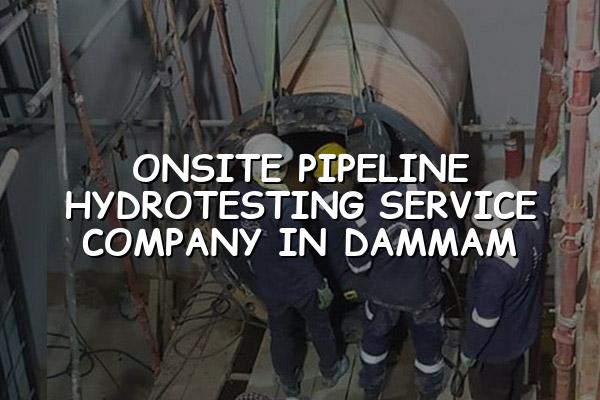
Onsite pipeline hydrotesting service company in Dammam is what project teams search for when the line has to prove its integrity before handover, tie-in or startup. We help you verify pressure holding, spot leakage issues early and keep the paperwork ready for QA, inspection and commissioning review.
Our team works across Dammam Industrial City, the Eastern Province and wider Saudi industrial sites where pipeline systems, skids and connected equipment need field testing under real site conditions. With mobile support and a practical test approach, we fit into shutdown windows, pre-commissioning schedules and the checks that come before energisation or product transfer.
What an onsite pipeline hydrotesting service company in Dammam should deliver
For pipeline work, hydrotesting is less about filling a line with water and more about proving the system can hold the required pressure without surprises. In practice, that means controlled filling, venting, stabilisation, pressure application, hold observation and clear reporting so your mechanical completion team can move with confidence. We see this most often on oil and gas piping, utility headers, firewater lines, process skids and plant extensions where the client wants evidence, not guesses.
Why field hydrotesting matters on real jobs
Site testing saves a lot of back-and-forth when lines are too large, too fixed or too tied into the plant to bring offsite. It also helps in Dammam and the Eastern Province, where shutdown access can be short and every hour of access counts. Our job is to work with your permit system, isolation plan and test pack so the test is controlled, recorded and easier to sign off.
Pressure testing, leak checking and the documents you need
A proper hydrotest package usually includes the piping isometrics, line list, test boundary details, pressure gauges, calibrated instruments, witness points and the final acceptance record. For many clients, the real value is not only the pressure test itself but the traceability around it. That is where ISO/IEC 17025:2017-aligned calibration support, gauge verification and disciplined field recording make a difference.
- Review the line and test boundary — we confirm the piping section, isolation points, vent locations and the test pressure requirement before anything is connected.
- Check instruments and temporary fittings — pressure gauges, hoses, manifolds and test pumps are inspected so the setup is safe and suitable for the line size.
- Fill, vent and stabilise — the pipeline is filled carefully to remove trapped air, because air pockets can distort the reading and make the result unreliable.
- Apply pressure and hold — we raise the pressure in a controlled way, watch for visible leaks or pressure drop, and document the hold period agreed with the client.
- Drain, restore and report — after completion, the line is depressurised, drained and returned for the next stage, with records prepared for QA and handover.
- Use calibrated pressure gauges and keep the calibration status visible during the test.
- Confirm the test medium is compatible with the line material and the site method statement.
- Keep vent points open until all trapped air is removed from the pipeline.
- Match the test plan to the actual pipe layout, not just the drawing revision.
- Capture witness signatures, gauge readings and any repair notes right after the test.
Typical pipeline hydrotest checks for Dammam site teams
| Check | What we look at | Why it matters |
|---|---|---|
| Test boundary | Line limits, blinds, isolation valves and temporary closures | Prevents testing the wrong section and protects connected equipment |
| Instrumentation | Pressure gauges, manifolds, hoses and calibration status | Supports traceable readings and cleaner QA sign-off |
| Venting and fill | Air removal, fill sequence and stability before pressurisation | Reduces false readings and gives a fair pressure hold result |
| Hold observation | Visible leaks, pressure trend and witness notes during the hold | Shows whether the line maintains integrity under test conditions |
How we keep hydrotesting practical on active industrial sites
Most delays on hydrotest jobs come from poor preparation, not from the test itself. A line may be ready on paper, yet still need better isolation, a cleaner vent arrangement or a clearer witness sequence. We plan around the plant reality in Dammam, Jubail and nearby industrial zones, where access, permits and shutdown coordination often decide how smoothly the job goes.
Good field work starts before the pump runs
We check the piping package, the available access route, water source needs and drainage path before mobilising. That simple preparation helps on refinery revamps, petrochemical tie-ins, tank farm piping and utility lines where a bad setup can cost more time than the actual test.
Built for Saudi industrial conditions
Our onsite work supports the schedules used by oil and gas contractors, maintenance teams and EPC crews who need clear evidence of pipeline integrity before the next stage. We keep the process direct, record the results properly and avoid unnecessary drama on site.
Where pipeline hydrotesting is usually needed
We often get called when a new pipeline section is ready for pre-commissioning, or when an existing line has been modified and the client wants proof before restart. That includes process piping, firewater networks, utility headers and package interconnections on industrial plants across Saudi Arabia. The question is usually simple: can this line hold pressure safely, and can we show it on record?
Another common case is shutdown maintenance, where a contractor has repaired a spool, replaced a valve or added a branch connection. In those jobs, the line may already be tied into a larger system, so the test boundary and isolation plan matter even more. A clean test pack makes life easier for the client, the inspector and the commissioning lead.
How Mayon Industrial Services Can Help
We support hydrotesting jobs with the kind of field discipline that helps your team get from preparation to sign-off without confusion. If your project needs piping pressure testing, gauge calibration, supporting mechanical work, inspection or commissioning support, we can fit into the job plan and keep the paperwork usable. For Dammam and the wider Saudi industrial belt, that mix of onsite execution and measurement control is often what keeps the schedule moving.
Call +91 99447 80844 (India) or +966 59 633 8012 (Saudi Arabia), email services@mayonservices.com, or message us on WhatsApp.
Frequently Asked Questions
It usually includes test boundary review, temporary setup, controlled filling, venting, pressure hold and a final record of the result. On site, we also watch the practical details like access, isolation and drainage so the test can be completed without disturbing the rest of the plant. For Dammam projects, that field control matters as much as the pressure reading.
We use properly checked pressure instruments, confirm the system is fully vented and keep the test sequence controlled from fill to hold. If the gauge or connection setup is poor, the result can be misleading, so we pay attention to those basics first. That simple discipline usually saves time later.
Yes, we work with industrial clients in the Eastern Province, including oil and gas, petrochemical and power projects. The site conditions may change from one plant to another, but the basics stay the same: safe isolation, traceable instruments and a clean record of the test. We shape the plan around the job rather than forcing one routine onto every line.
Yes, and that is often the cleaner route for clients who want fewer vendors on the job. Mayon Industrial Services provides ISO/IEC 17025:2017 calibration support for pressure-related instruments, so your hydrotest package can stay traceable. It helps when QA asks where the readings came from.
Have the latest piping drawing, line list, test boundary details, isolation plan and witness requirements ready. If the site uses permit-to-work or a project-specific hold point system, that should be available too. The better the pack, the easier it is for us to test without delays or avoidable rework.
Ready to verify your pipeline before startup?
If you need a Dammam hydrotesting team that understands site pressure testing, inspection needs and real industrial schedules, get in touch and we’ll discuss the job.
Contact Mayon