
Pneumatic Testing Service Company in Dammam
Pressure testing and leak verification for plants, piping and equipment in Dammam and across the Eastern Province.
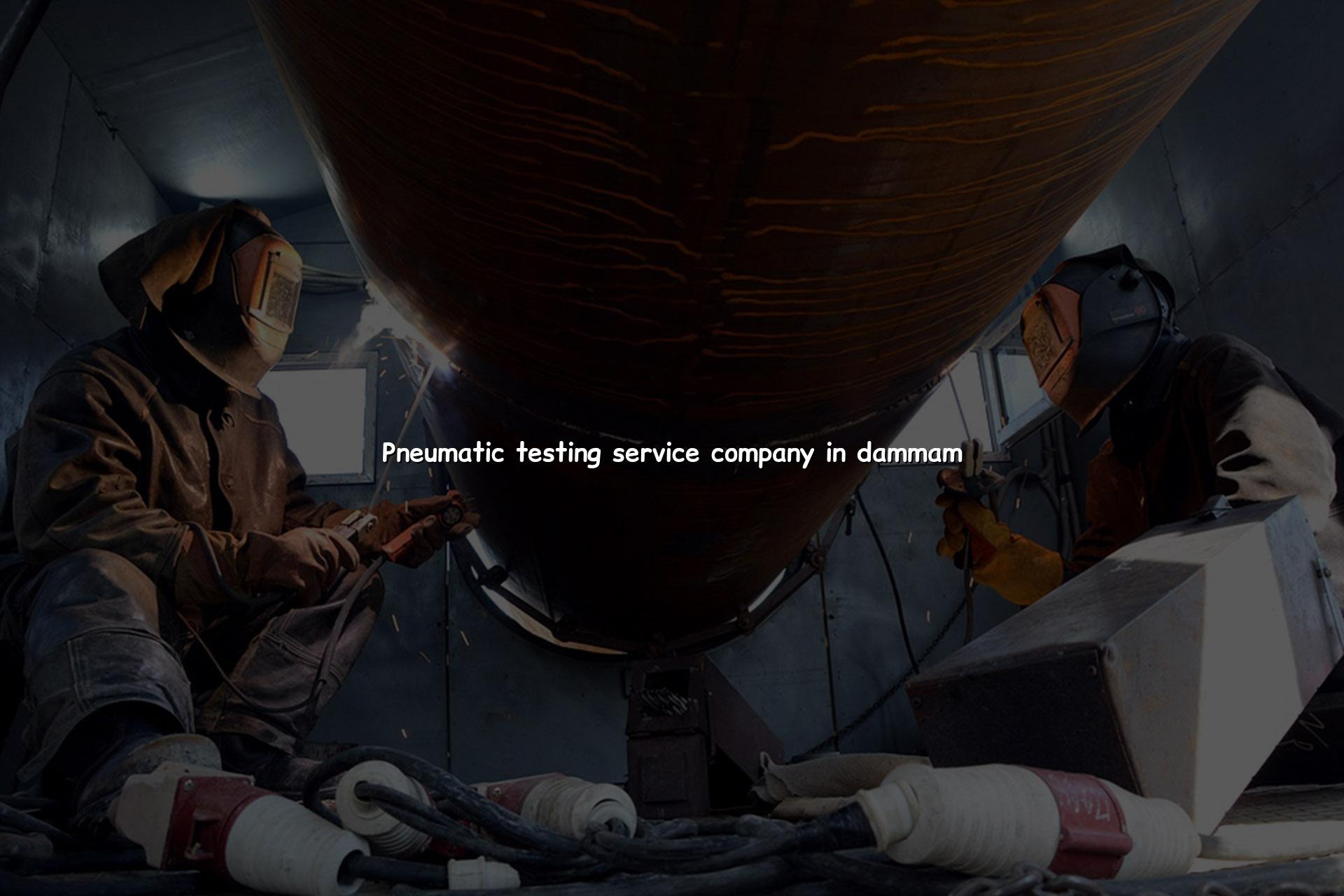
Pneumatic testing service company in Dammam support matters when your piping, vessels or assemblies need a controlled pressure check and you can't take shortcuts. We help you confirm integrity, spot leaks and prepare proper records before the equipment goes back into service.
Our team works with plants in Dammam Industrial City, nearby Eastern Province sites and wider Saudi industrial operations that need careful, traceable field work. If your job needs onsite mobilisation, we bring the equipment, the method and the paperwork discipline that operations teams expect.
Pneumatic Testing Service Company in Dammam for Plant Integrity
Pneumatic testing is usually chosen where water is a poor fit, where drying is a headache, or where a system must be checked in a way that suits the service conditions. In Dammam, we often see requests from oil & gas, petrochemical, power and fabrication teams that need a field-ready pressure test without dragging the job across multiple vendors.
For many customers, the real need is not just pushing air into a line. They want a sensible setup, isolation points verified, a controlled rise in pressure, leak detection around joints and fittings, and a clean report that can be filed with QA or handed to the client representative.
Where pneumatic testing fits best
We use pneumatic testing on projects where the system design, site condition or process requirement makes it the practical choice. That can include piping spools, fabricated skids, small pressure assemblies, manifolds and certain equipment checks before commissioning or after maintenance.
What our field team checks first
Before a test starts, we look at the system boundaries, the test medium, the pressure rating, the isolation method and the risk controls around the work area. We also verify whether the job needs supporting calibration work for gauges, recorders or related instruments so the result is defensible, not just convenient.
- Review the scope — we confirm the line, vessel or assembly, the test pressure and the documents that define the job.
- Prepare the system — isolation, blanking, venting and safety checks happen before any pressure is applied.
- Set up the instruments — pressure gauges, fittings and any recording tools are checked for suitability and traceability.
- Pressurise in stages — the pressure is raised carefully, with time to inspect joints, flanges and connections for leakage.
- Record and close out — we note the results, observations and test outcome for the client file.
- Good for systems where water introduction is not desirable.
- Useful for leak detection on spools, skids and fabricated assemblies.
- Helps maintenance teams confirm integrity before handover.
- Works well when paired with calibrated gauges and clear records.
Common Pneumatic Testing Choices and What They Suit
| Item | Typical Use | Why It Matters |
|---|---|---|
| Pressure gauges | Field monitoring during the test | Help the team watch pressure rise and hold without guesswork |
| Test hoses and fittings | Connecting the source to the system | Need correct rating and sound condition to avoid leaks at the setup point |
| Isolation and blanks | Separating the test section | Reduce the chance of pressure moving into parts that should stay out of the test |
| Leak check method | Joint inspection during pressurisation | Lets the crew spot escaping air around flanges, valves and threaded connections |
Why Dammam Sites Ask for Controlled Pneumatic Tests
In our experience, the client side often cares about three things: safety, traceability and a result that can stand up in a handover meeting. That is why the test arrangement needs to be planned around the system itself, not copied from the last job you saw on another site.
Records that help the next step
A proper test record supports commissioning, repair closeout and internal approval. For industrial teams in Saudi Arabia, especially around Dammam and the Eastern Province, that record usually needs to be clear enough for QA, operations and the client engineer to read without follow-up calls.
Built for real plant work
We handle pneumatic testing alongside calibration, mechanical services and commissioning support, so the same team can keep the job moving without passing it between unrelated contractors.
Before You Start a Pneumatic Test in Saudi Arabia
A good test starts long before the compressor or nitrogen source is connected. The line must be isolated correctly, the test section identified, and the people around the area briefed on what is about to happen. That sounds basic, but skipped steps are where most problems begin.
We also look at the instruments tied to the job. If the gauge range is badly matched to the test pressure, the reading is less useful. If the hose, adapter or valve arrangement looks improvised, the test can turn into a troubleshooting exercise instead of a controlled check.
For shutdown work, fabrication packages and pre-commissioning tasks, this is where the site team saves time later. A clean setup means fewer doubts when the report is reviewed by maintenance, QA or the client.
- Confirm the test boundary before any pressure source is connected.
- Keep the area clear and brief the people who need to stay back.
- Use pressure equipment suited to the actual test range.
- Make sure the final report is easy to attach to the job file.
Where Pneumatic Testing Service Companies Get Called In
Most requests come from fabricators, maintenance teams and project managers who need proof that a section holds pressure without visible leakage. In Dammam, that often means work tied to process piping, package skids, mechanical assemblies or support systems for industrial plants.
Some jobs arrive after a repair. Others come before first start-up. The common thread is simple: nobody wants to discover a leak after the system is back in service and the schedule is already tight.
We keep the approach practical. That means selecting the right test method for the asset, confirming the site condition and coordinating with whoever owns the permit or the shutdown window. If the job also needs related calibration or mechanical support, we can keep that under one roof.
How Mayon Industrial Services Can Help
We support pneumatic testing with the same field discipline we use for calibration, mechanical services and commissioning work. That helps when your Dammam site needs pressure integrity checks, calibrated instruments, leak verification and clean closeout records from one team. If your job spans fabrication, maintenance or start-up support, talk to us and we’ll help you plan the next step.
Call +91 99447 80844 (India) or +966 59 633 8012 (Saudi Arabia), email services@mayonservices.com, or message us on WhatsApp.
Frequently Asked Questions
We set up and carry out controlled pressure tests to check whether a system holds pressure and where any leakage is happening. In practice, that means isolation, safe pressurisation, leak inspection and documented results for the client file.
It is often chosen when water would create a drying issue, when the asset or process makes liquid use awkward, or when the client specifically needs a gas-based pressure check. The final choice depends on the system design, site rules and the job documents.
Yes, onsite work is part of what we do. We mobilise for industrial sites in Dammam and the Eastern Province, bringing the test setup, instruments and reporting process to the job location.
We can support the job with calibrated instruments where needed, which helps the test records stay defensible. If your site already has equipment, we can also review what’s available and decide what is suitable for the pressure range.
We most often see requests from oil & gas, petrochemical, power, manufacturing and fabrication clients. These sectors usually want a clear integrity check before start-up, after repair or during handover.
Yes, and that is often the better route. We also handle mechanical services, testing and commissioning support, calibration and inspection, so the pressure test can fit into a bigger project without extra handoffs.
Ready to plan your next pressure test?
If you need a pneumatic testing service company in Dammam that understands field work, documentation and plant conditions, speak with our team and we’ll help you move it forward.
Contact Mayon