
Pneumatic Testing Service Company in Diriyah
Field-ready pneumatic testing for pipework, vessels and utility systems serving Diriyah and nearby Saudi industrial sites.
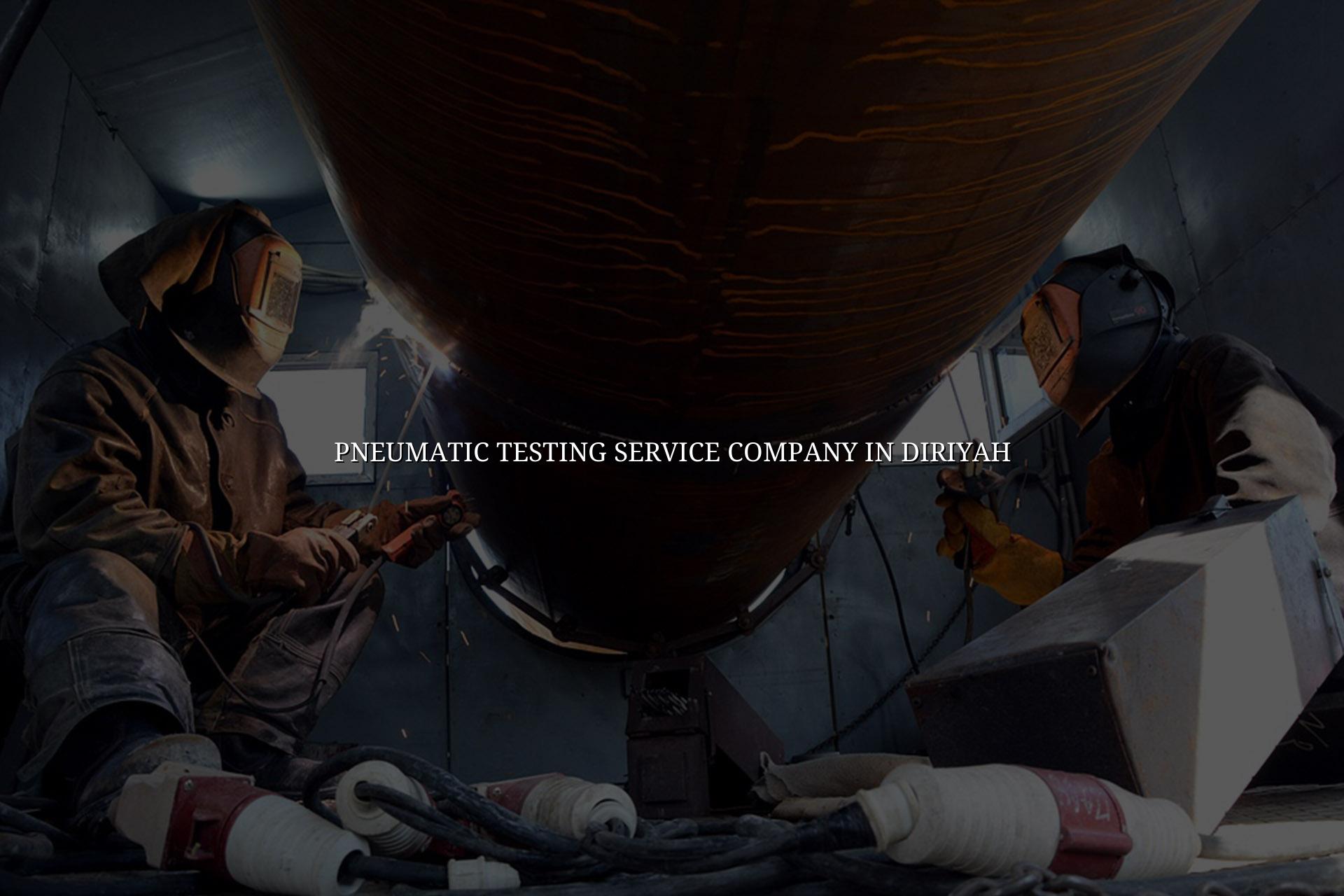
Pneumatic testing service company in Diriyah is the phrase people type when they need a team that can prove integrity without wasting time on guesswork. We help you check lines, fittings and assembled systems with controlled air or inert gas testing, clear documentation and a field crew that understands site pressure and safety limits.
For projects in Diriyah and the wider Riyadh region, that usually means planned checks on new installations, shutdown work, repairs and pre-commissioning packages. Our Saudi team works with industrial clients who need traceable results, careful isolation and practical support that fits real site conditions, not textbook assumptions.
Pneumatic Testing Service Company in Diriyah for field checks
Pneumatic testing is chosen when the system, the material or the site condition calls for gas-based verification instead of a water fill. In practice, that can include pipe spools, valves, manifolds, control skids, small pressure vessels and utility lines where a dry test is the better fit. The work needs a disciplined setup because compressed gas stores energy, so the test plan, exclusion zone and pressure ramp all matter.
Where pneumatic testing makes sense
We often see requests from maintenance managers who have a completed line but can't afford moisture inside the system, or from teams who need to spot leakage before final tie-in. It also comes up on projects where drainage is awkward, drying would take too long, or the client wants a lower-mess verification before a final hydrotest sequence. In Saudi industrial sites, that kind of planning saves a lot of rework.
What our crews check before pressurising
Before any test starts, the system has to be isolated, vents opened where needed, gauges selected properly and the test medium confirmed. We also look at calibration status, blanking arrangement, temporary fittings and the integrity of the test boundary itself. A poor temporary connection can make a simple job noisy, unsafe and unreliable very quickly.
- Review the test pack — we check drawing references, test limits, line identification and the required pressure before anyone sets up equipment.
- Isolate and prepare the system — valves, flanges and open ends are secured, while the area is cleared and marked for the test.
- Increase pressure in controlled stages — the line is brought up gradually so the crew can listen, inspect and confirm there are no abnormal drops.
- Hold, observe and record — we monitor the test point, keep notes on pressure behaviour and issue the result in line with the agreed scope.
- Use calibrated gauges and record the serial numbers in the test pack.
- Keep non-essential personnel out of the test area until the hold is complete.
- Confirm the exact medium, usually air or nitrogen, before mobilising equipment.
- Match the test method to the system material and the client’s acceptance criteria.
- Arrange safe venting and depressurisation before breaking any connection.
Choosing the right pressure test for the job
| Method | Typical use | What the team checks |
|---|---|---|
| Pneumatic test | Dry systems, sensitive lines and pre-commissioning checks | Leak tightness, pressure stability and safe hold conditions |
| Hydrotest | Lines and equipment that can be filled with water | Strength, leakage and boundary integrity under liquid pressure |
| Soap solution leak check | Small joints and local suspect points | Visible bubble formation at joints and fittings |
| Stepwise leak survey | Sites that need staged observation after repairs | Pressure drift, joint behaviour and repeatability of the system |
Why Diriyah projects need a careful method
Pressure testing with gas is not something to rush. The stored energy is higher than many teams expect, so the setup has to be tidy, the boundaries known and the people around the job briefed properly. That matters on Riyadh-area construction and maintenance work where multiple contractors may be moving around the same live site.
What a good result looks like
A good test is quiet, controlled and easy to read. The gauge trend stays stable during the hold, the test boundary behaves as expected and the documentation tells the story without anyone having to guess what happened. In our experience, clients appreciate that because it makes handover discussion much easier.
Built for real site conditions
We support oil & gas, petrochemical, power, construction and manufacturing clients across Saudi Arabia with field equipment, practical isolation checks and clear reporting that helps the job move forward.
How Mayon Industrial Services Can Help
We bring pneumatic testing into the same working style we use for calibration, mechanical services and commissioning support: prepared equipment, traceable checks and a crew that knows the cost of getting it wrong. If your Diriyah project needs leak verification, pre-commissioning support or a field team that can work around shutdown windows, we can help.
We also support related needs such as instrument calibration, inspection, electrical testing, orbital welding and lab setup, so you don't have to manage four different vendors for one package. If that sounds closer to what you need, speak with us and we’ll take it from there.
Call +91 99447 80844 (India) or +966 59 633 8012 (Saudi Arabia), email services@mayonservices.com, or message us on WhatsApp.
Frequently Asked Questions
Yes, we support pneumatic testing for industrial clients who need a controlled field test in Diriyah and nearby Saudi sites. The work is usually arranged for pipework, small vessels, utility lines and pre-commissioning packages where a dry test is the right choice. We plan the setup so the test boundary is clear and the report makes sense to your team.
It’s usually chosen when water is not suitable, such as on dry systems, moisture-sensitive equipment or jobs where draining and drying would create extra work. Teams also use it for early leak checks before a final liquid test. The right answer depends on the system material, the project spec and the client’s acceptance criteria.
It can be safe when the team follows a strict procedure, keeps the area controlled and uses the right test pressure and exclusion zone. We do not treat it casually, because compressed gas carries stored energy. Good isolation, calibrated gauges and careful monitoring are the basics.
Yes, that is one of the common callouts we get from maintenance and shutdown teams. The work can be used to verify repaired sections, check temporary assemblies or confirm that a system is ready for the next stage. We can also support the related calibration and inspection needs that come with a shutdown package.
Most projects need the line list or drawing reference, the agreed test pressure, the test boundary details and the acceptance criteria. It also helps to have instrument details and calibration status ready before the crew arrives. If your client has a specific format, we work to that so the handover stays tidy.
Ready to book a pressure test in Diriyah?
Send us the job details and we’ll help you plan a practical pneumatic test that fits the system, the site and the shutdown window.
Contact Mayon