
Pneumatic Testing Service Company in Safwa
Certified pneumatic pressure testing for equipment, lines and assemblies serving Safwa and the wider Eastern Province.
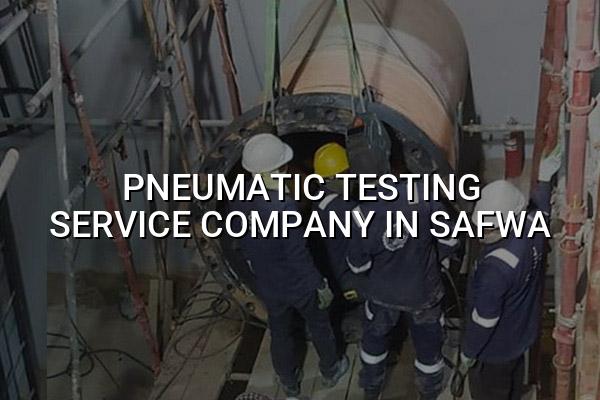
Pneumatic testing service company in Safwa is the phrase people use when they need proof that a line, vessel or assembly can hold pressure without leaks before start-up. That is exactly the kind of work we support. You get practical test planning, controlled execution and clear results that fit plant safety routines.
Our team works with Saudi industrial sites, especially oil & gas, petrochemical, power and manufacturing jobs where dry testing is preferred or where water is not a good option. We bring ISO/IEC 17025:2017 discipline into the job, along with onsite mobile-lab support for projects around Safwa, Dammam Industrial City 2 and the wider Eastern Province.
Pneumatic testing service company in Safwa for plant shutdowns and new installs
When someone asks for a pneumatic test, they usually want more than a gauge reading. They want a safe method, proper isolation, leak detection and a result that maintenance, QA and client inspectors can sign off with confidence. That matters on skids, headers, control air lines, tube bundles, utility piping and packaged equipment where even a small leak can slow commissioning.
Where pneumatic testing fits best
We see the strongest demand on systems that need a dry medium, or on equipment that should not be filled with water after fabrication. That includes pneumatic and instrument air lines, low-volume piping, certain process spools, fabricated manifolds and assemblies that need controlled pressure checks before handover. In industrial work across Saudi Arabia, the decision often comes down to material sensitivity, cleanliness and site readiness.
What our field team looks for
Before any pressurization starts, we check the test boundary, isolation points, fittings, test medium, instruments and hold points. We also look for the boring little things that cause trouble later: loose thread sealing, an untagged valve, a blank not seated properly, a wrong hose rating. Those details save time and keep the job calm.
- Confirm the test scope — we review the drawing, line list or equipment boundary so the right section is tested and nothing live is trapped inside.
- Prepare the system — the team isolates the section, installs calibrated pressure instruments and checks fittings, blinds and connections.
- Raise pressure in stages — pressure is increased carefully, with people kept clear of the line of fire and the area controlled.
- Hold and inspect — we watch for pressure decay, leaks, abnormal sounds and visible joint issues, then record the findings for handover.
- Suitable for pneumatic lines, skids and fabricated assemblies
- Uses controlled test steps and calibrated instruments
- Helps teams avoid water ingress where dry testing is needed
- Supports shutdown, pre-commissioning and final acceptance work
Choosing the right pressure test for your job in Safwa
| Test type | Typical use | Why teams choose it |
|---|---|---|
| Pneumatic pressure test | Dry lines, skids, instrument systems and selected process assemblies | Helps avoid water contamination and suits equipment that must stay dry |
| Hydrotest | Many piping and vessel integrity checks before commissioning | Useful where liquid fill is acceptable and a high level of strength verification is needed |
| Leak test with holding period | Joints, manifolds and assemblies needing leak verification after fabrication | Good for spotting small losses before a system is released |
| Functional field check | After repair, tie-in or maintenance work | Confirms the section is behaving as intended before handover |
Why pneumatic testing needs the right controls
Pneumatic pressure testing stores energy in the test medium, so the setup has to be treated with respect. On live industrial sites in Saudi Arabia, that means clear exclusion zones, pressure-rated hoses, proper isolation, and a team that understands the difference between a quick check and a controlled test.
Traceable instruments matter too
We use calibrated instruments and work within ISO/IEC 17025:2017 discipline, which gives the job a better audit trail for QA and client records. For many customers, that traceability is just as useful as the result itself, because it shows who tested what, with which instrument, and under what conditions.
Typical field checks we keep tight
Line isolation, blanking, venting, hose rating, pressure rise rate, gauge range, leak points and final release notes. On a busy site, that list is short enough to follow and long enough to stop trouble.
Services that sit around pneumatic testing
Calibration and test instruments
We calibrate pressure, temperature, electrical and mechanical instruments for plants that need a clean test trail before start-up or audit.
Mechanical support
Cold cutting, flange work, bolt torquing and hydrotesting often sit next to pneumatic testing on the same shutdown plan.
Inspection and commissioning
We also help with third-party inspection, NDT, electrical testing and commissioning when the project needs a wider handover package.
What to check before you schedule a pneumatic test
Most teams call us after the line is already built, and that is fine. Still, a few checks before the test day make the work smoother. The simplest one is confirming whether the system really needs a dry test; sometimes the answer is yes because of product cleanliness, and sometimes because the equipment cannot tolerate water left behind in corners or dead legs.
Next, look at the drawing package and isolate every connection that could feed pressure from somewhere else. A pneumatic test is not the place for guesswork. If a valve tag is unclear or a branch is unmarked, stop and verify it. That small pause is cheaper than a site incident.
We also advise customers in Safwa and nearby industrial areas to keep the handover chain clear. The supervisor, QA representative and maintenance lead should all know who is signing for the test, what was included and what remains open for later work.
- Confirm the exact boundary before mobilization
- Check whether dry testing is needed for cleanliness or equipment protection
- Make sure gauges, hoses and fittings suit the intended pressure
- Keep QA, maintenance and client reps aligned on the sign-off path
How Mayon Industrial Services Can Help
If you need a pneumatic testing service company in Safwa, we can support the job with calibrated pressure instruments, onsite field execution, mechanical preparation and the paperwork your QA team expects. We work across Saudi Arabia and the Middle East on industrial, energy and manufacturing projects, and we also bring mobile-lab support when the job needs controlled handling.
Call +91 99447 80844 (India) or +966 59 633 8012 (Saudi Arabia), email services@mayonservices.com, or message us on WhatsApp.
Frequently Asked Questions
We check a pressurized section for leaks, pressure loss and safe holding performance before the system is commissioned or returned to service. The work usually includes isolation, staged pressurization, inspection and a record of the result for QA or client sign-off. In Safwa, that often means support for plant lines, skids and fabricated assemblies.
Use pneumatic testing when the system needs to stay dry or when water would create a problem after the test. That can happen with certain instrument lines, low-volume assemblies and equipment that is hard to drain fully. The final choice should still follow the project method statement and the equipment limits.
Yes, we can support onsite work where the site conditions and isolation plan are ready. Our field team works with mobile-lab capability and calibrated instruments, so we can handle jobs that need controlled execution at the plant itself. That helps reduce moving parts during shutdowns and commissioning.
It helps to have the line drawing, test boundary details, equipment data, isolation points and the site permit rules ready. If you already have a QA form or a project-specific test procedure, send that too. With those in hand, we can plan the job without guessing at the scope.
Yes, we serve clients across Saudi Arabia and the wider Middle East, and we also operate from India through our Chennai head office. That lets us support regional industrial sites, especially oil & gas, petrochemical, power and manufacturing work. If the job is in the Eastern Province or nearby GCC markets, we can discuss the best mobilization plan.
We control the setup with proper isolation, pressure-rated accessories, cautious pressure rise and a clear test area. Our team also checks the instruments and the boundary before starting, because most problems come from small setup misses rather than the test itself. Safety is mostly about discipline, and the site crew needs that discipline every time.
Ready to get the pressure test plan moving?
Send us your drawing, scope or site requirement and we’ll help you shape the right testing approach for Safwa and nearby projects.
Contact Mayon