
Pneumatic Testing Service Company in Dawadmi
Onsite pneumatic pressure testing for industrial systems that need clear results, proper records, and careful handling in Dawadmi and nearby sites.
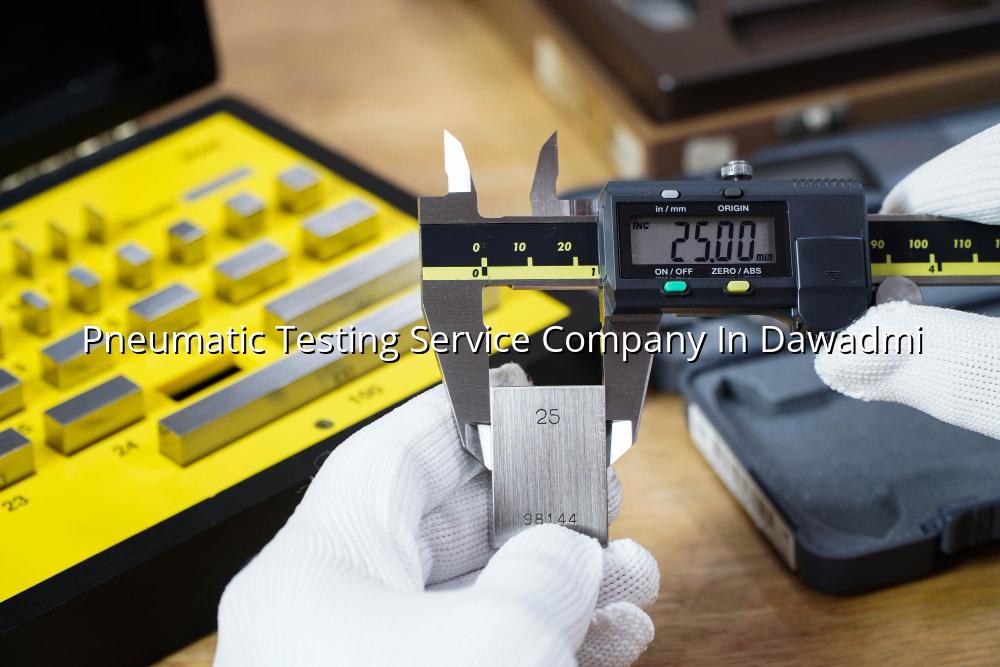
Pneumatic testing service company in Dawadmi searches usually come from teams that need a pressure test done cleanly, with clear records and no guesswork. That’s exactly what this page is for: helping you understand when pneumatic testing makes sense, what the job involves, and how to choose a team that knows industrial work.
We work with plants, maintenance teams, and project contractors who need practical support on pressure systems, piping, vessels, and related equipment. In Dawadmi and across Saudi Arabia, the right test setup matters just as much as the result, especially where safety, traceability, and site discipline are expected.
Pneumatic testing service company in Dawadmi for industrial jobs
When a system can’t be filled with water, or when moisture would cause trouble, pneumatic testing becomes the more practical route. We see that often in maintenance shutdowns, new installations, and situations where the client needs a controlled test on air or inert gas without flooding the line. For Dawadmi projects, that usually means planning around access, equipment isolation, and the work permit process before a single gauge is connected.
Where pneumatic testing fits best
This service is commonly used for pipework, headers, vessels, skids, packaged units, and assemblies where leak checks are the main goal. The point is not just to raise pressure. It’s to confirm the system can hold, spot weak joints, and give the site team a record they can trust during commissioning or reinstatement.
Why clients ask for it
Most calls start with one of three needs: water is not suitable, the asset is awkward to drain and dry, or the client wants a test method that matches the operating condition. In the field, that often means compressed air or nitrogen, careful pressure control, barrier zoning, and a test pack that makes sense to QA and maintenance managers alike.
- Review the system scope — confirm what needs to be tested, what must stay isolated, and which fittings, valves, or instruments are part of the boundary.
- Check the site condition — look at access, lifting needs, vent points, nearby operations, and the permits required before testing starts.
- Prepare the test media and instruments — select the proper pressure source, calibrated gauges, and safety controls for the planned test range.
- Raise pressure in stages — monitor for leaks, hold the set pressure, and keep a steady watch on the readings and the line condition.
- Record the outcome — document the result, observations, and any follow-up repairs so the next team has a clear handover.
- Useful where hydrotesting is not suitable because of moisture, cleanliness, or drying concerns.
- Helps reveal leaks in joints, flanges, fittings, and small-bore connections before commissioning.
- Supports site teams working on shutdowns, startup checks, and pre-commissioning punch lists.
- Needs calibrated pressure instruments and controlled pressure increase to keep the job disciplined.
- Works best when the test boundary and acceptance requirements are agreed in advance.
What changes from one job to another?
| Job Element | What We Check | Why It Matters |
|---|---|---|
| Test boundary | Flanges, blanks, valves, vents, and isolation points | Prevents false results and keeps the tested section clear |
| Pressure medium | Air or inert gas choice based on the job and site rules | Helps avoid contamination, moisture, or unsafe conditions |
| Instrumentation | Gauge range, readability, calibration status, and condition | Supports reliable readings and proper reporting |
| Site controls | Barriers, access control, and nearby activity | Protects people around the test area |
How a pneumatic test stays under control
Pneumatic testing stores energy, so the setup has to be handled with care. That’s the part some teams underestimate. A small leak in an air test behaves very differently from a water test, and pressure release has to be planned, not improvised. On active industrial sites, that means the people in charge need a clear sequence, the right barriers, and an understanding of what can go wrong if the line is rushed.
What we look for before starting
We check whether the pipework or equipment is ready, whether temporary fittings are sound, and whether the instruments are suited to the pressure range. If the site needs calibration support too, we can tie the test job back to our ISO/IEC 17025:2017 calibration work, which helps when the same project also depends on pressure gauges, temperature instruments, or other measuring devices.
Typical industrial situations we see
Oil & gas skids, petrochemical pipework, utility headers, maintenance shutdown repairs, and commissioning support are common examples. In Dawadmi and other Saudi locations, the main expectation is simple: do the work properly, document it clearly, and don’t disturb the rest of the site while the test is under way.
Choosing the right pneumatic testing support
A good pneumatic testing service company in Dawadmi should be able to talk through the test boundary, the media, the gauge range, and the site controls before the crew arrives. If that conversation feels vague, the job usually gets messy later. We’ve found that the best projects start with a simple scope review and a realistic look at the site conditions, not with a promise that everything will be handled “somehow.”
Experience matters too. Our team works across India, Saudi Arabia, and the Middle East, so we’re used to industrial plants where access is tight, permits matter, and shutdown windows are limited. That kind of work leaves little room for trial and error.
Use these checks before you appoint anyone
Ask what pressure measurement instruments will be used, how the test area will be controlled, and what report or record you will receive after the job. If the contractor also handles calibration, mechanical support, and commissioning work, the handover tends to be cleaner because fewer gaps are left between teams.
- Ask for a clear boundary definition before work starts.
- Make sure gauges and related instruments are suitable for the pressure range.
- Confirm the crew understands site permits and isolation rules.
- Look for companies that can also support calibration or commissioning if needed.
Documentation and handover after the test
After the pressure check, the paper trail matters. Site teams often need a result that can be filed with commissioning packs, maintenance records, or QA documents. We usually keep the report practical: what was tested, what pressure was applied, what instruments were used, and what the final observation was. That’s the kind of record engineers actually use later.
Why traceability helps
When the same project also depends on measurement confidence, traceability is not a buzzword. It tells the client that the gauges and related instruments were managed properly and that the result has a real basis. For many industrial buyers, that is the difference between a useful test record and a sheet of paper nobody trusts.
Good handover items
Test scope, test medium, pressure readings, observations, exceptions, and any follow-up action. If repairs are needed, we can also help with mechanical services, flange work, bolt torquing, testing and commissioning, or calibration support, depending on what the site needs next.
How Mayon Industrial Services Can Help
If you need pneumatic testing, we can support the work with the same practical approach we use in calibration, mechanical services, inspection, and commissioning. Our team knows industrial sites, and we’re used to handling jobs where the client wants clear testing, proper control, and a report that fits the project file. We also bring onsite capability, which helps when the system can’t be moved or the site needs a mobile response.
Call +91 99447 80844 (India) or +966 59 633 8012 (Saudi Arabia), email services@mayonservices.com, or message us on WhatsApp.
Frequently Asked Questions
We usually test pipework, vessels, skids, headers, and similar pressure systems where leak checking is needed. The exact scope depends on the job boundary and the site’s isolation plan. Once that’s clear, the crew can set up the test in a controlled way and document the result properly.
It’s usually chosen when water is not suitable, when drying the system would be a problem, or when the project asks for a gas-based leak test. We see that on certain maintenance and commissioning jobs where moisture control matters. The test method still needs careful planning because pressurised gas stores energy.
Yes, onsite work is the normal way these jobs happen. We come to the site with the right instruments and testing setup, then work within the permit and access conditions in place. That’s often the most practical option for industrial clients in Saudi Arabia.
Yes, and that helps on mixed-scope projects. We can support calibration, mechanical services, inspection, testing and commissioning, and repair work when the same job needs more than one discipline. Clients often prefer that because the handover becomes simpler.
Send the system type, the test boundary, the location, the expected pressure range, and any site restrictions. If you have drawings or a scope note, that helps too. With that information, we can plan the job sensibly and avoid surprises on site.
Ready to get your pressure test sorted?
If your Dawadmi project needs careful pneumatic testing, clear reporting, and a team that understands industrial work, we’re ready to help.
Contact Mayon