
Pneumatic Testing Service Company in Rabigh
Onsite pneumatic pressure testing for piping, vessels, valves, and maintenance shutdown work in Rabigh and nearby industrial sites.
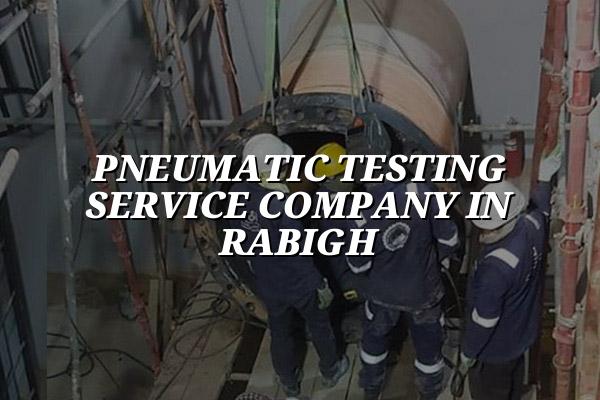
Pneumatic testing service company in Rabigh is the phrase people usually type when they need a safe, practical check on pipes, vessels, or assemblies that can't be filled with water. We help you verify integrity before handover, shutdown restart, or commissioning, with the discipline that pressure work demands.
In Rabigh, that often means refinery and petrochemical work, utilities, and maintenance jobs where dry testing is the only sensible route. Our team works from Saudi Arabia with the same ISO/IEC 17025:2017 mindset we bring to calibration and inspection work across India, Saudi Arabia and the Middle East.
Pneumatic testing service company in Rabigh for pressure-critical work
When a system can't tolerate liquid fill, a pneumatic test gives you a controlled way to check joints, welds, flanges, and fittings using air or inert gas. That sounds simple. It isn't. Pressure stored in gas behaves differently from hydrostatic testing, so the procedure, isolation, instrumentation, and exclusion zone all need careful planning. We've seen the difference a good method statement makes on shutdown jobs in industrial cities; it saves time, and it keeps crews calm.
Where this service fits in day-to-day work
Most calls around Rabigh come from maintenance teams, EPC contractors, and QA managers who need proof of tightness before a line is returned to service. You may be testing small-bore piping, instrument air lines, process skids, valve packages, or fabricated assemblies. In those cases, the goal is not a generic "pass". You want a traceable test record, the right test medium, and a crew that understands isolation and controlled pressurization.
What we look at before pressurizing
We start by checking the test boundary, the rating of the components, the gauge range, relief arrangements, and the location of personnel. That includes a close look at blind flanges, temporary caps, and any section that was recently welded, repaired, or modified. If the system needs supporting calibration or verification of gauges, we can bring in the same discipline we use in our ISO/IEC 17025 calibration work. No shortcuts. Not on pressure jobs.
- Review the scope — confirm the line list, test medium, and isolated boundaries before anything is pressurized.
- Prepare the system — install test blanks, secure fittings, and verify that temporary equipment is rated for the job.
- Raise pressure in stages — increase slowly, watch for abnormal movement, and stop if any issue shows up.
- Hold and inspect — monitor gauges, joints, and connections during the test hold, then document the result clearly.
- Use pneumatic testing where water would contaminate, corrode, or delay drying.
- Keep the exclusion zone clear and brief the crew before pressure is introduced.
- Match gauge range to the test pressure so readings stay useful and stable.
- Record the exact test boundary, hold behavior, and any remedial work needed.
How pneumatic testing compares with other pressure checks
| Method | Best use | Typical field note |
|---|---|---|
| Pneumatic testing | Dry systems, sensitive equipment, lines that cannot take water | Needs strict control because stored energy is higher |
| Hydrotesting | Pipes and vessels that can be filled with water | Useful when leak proofing and strength checks are needed |
| Leak check with inert gas | Simple tightness confirmation on selected assemblies | Often used for low-volume systems or final verification |
| Soap-bubble inspection | Finding small external leaks at joints and fittings | Works well during final walkdown after pressurization |
Why safety matters more than speed on a gas test
Pneumatic testing stores energy in the test medium, so the real job is control. That means setting the test zone, using properly rated fittings, and keeping people out of the line of fire. For Rabigh facilities, especially around oil, gas, and petrochemical assets, the difference between a tidy test and a messy one is usually planning. Good method statements, clear barricading, and experienced supervision make the whole job quieter.
What a clean test record should show
A proper record should identify the system, medium, pressure, hold duration, gauge range, and the final result. If any leak shows up, it should note where it was found and what was corrected before retest. That makes the file useful to QA, maintenance, and client representatives later, not just on the day of the test.
Typical Rabigh work settings
We often see requests tied to shutdown maintenance, pre-commissioning, small-bore process piping, instrument air headers, and fabricated skids. The practical need is the same each time: prove the system holds pressure without putting the site at risk or slowing the schedule more than necessary.
How Mayon Industrial Services Can Help
We support pneumatic testing with a field crew that understands pressure work, isolation, gauges, and documentation. If your scope also needs calibration, mechanical support, inspection, or commissioning checks, we can align the job under one team so you're not chasing multiple vendors. For Rabigh and nearby Saudi sites, that means one call can cover test planning, site attendance, and the paperwork you need to close the job cleanly.
Call +91 99447 80844 (India) or +966 59 633 8012 (Saudi Arabia), email services@mayonservices.com, or message us on WhatsApp.
Frequently Asked Questions
We check whether the system holds pressure without leaks at the joints, welds, flanges, or temporary test points. The exact scope depends on the line or package, but the aim is always the same: confirm integrity before commissioning, restart, or handover. For dry systems, pneumatic testing is often the practical choice when water isn't acceptable.
Not by default. Pneumatic testing carries more stored energy, so it needs tighter control, a clear exclusion zone, and experienced supervision. Hydrotesting is usually the safer choice when the system can be filled with water, but pneumatic testing is still the right option for certain dry or sensitive assemblies.
Yes. We support onsite work in Saudi Arabia, including industrial settings where access, permits, and shutdown timing matter. Our field approach is built around practical site preparation, test control, and documentation that suits QA and maintenance teams.
We usually see it in oil and gas, petrochemical, power, manufacturing, and utility work. It also shows up on fabricated skids, instrument air systems, and maintenance scopes where dry testing avoids contamination or long drying cycles. The need is practical, not theoretical.
Yes, we document the test details so the result is usable for internal records and client review. That normally includes the system reference, test medium, pressure, hold condition, and any observations during the job. If your team needs supporting calibration or inspection work around the test, we can line that up too.
Ready to book pressure testing you can trust?
If your Rabigh project needs controlled pneumatic testing, send us the scope and we'll help you plan the next step.
Contact Mayon