
Pneumatic Testing Service Company in Najran
Field-ready pressure testing for Najran projects that need clear results, safe procedures, and proper traceability.
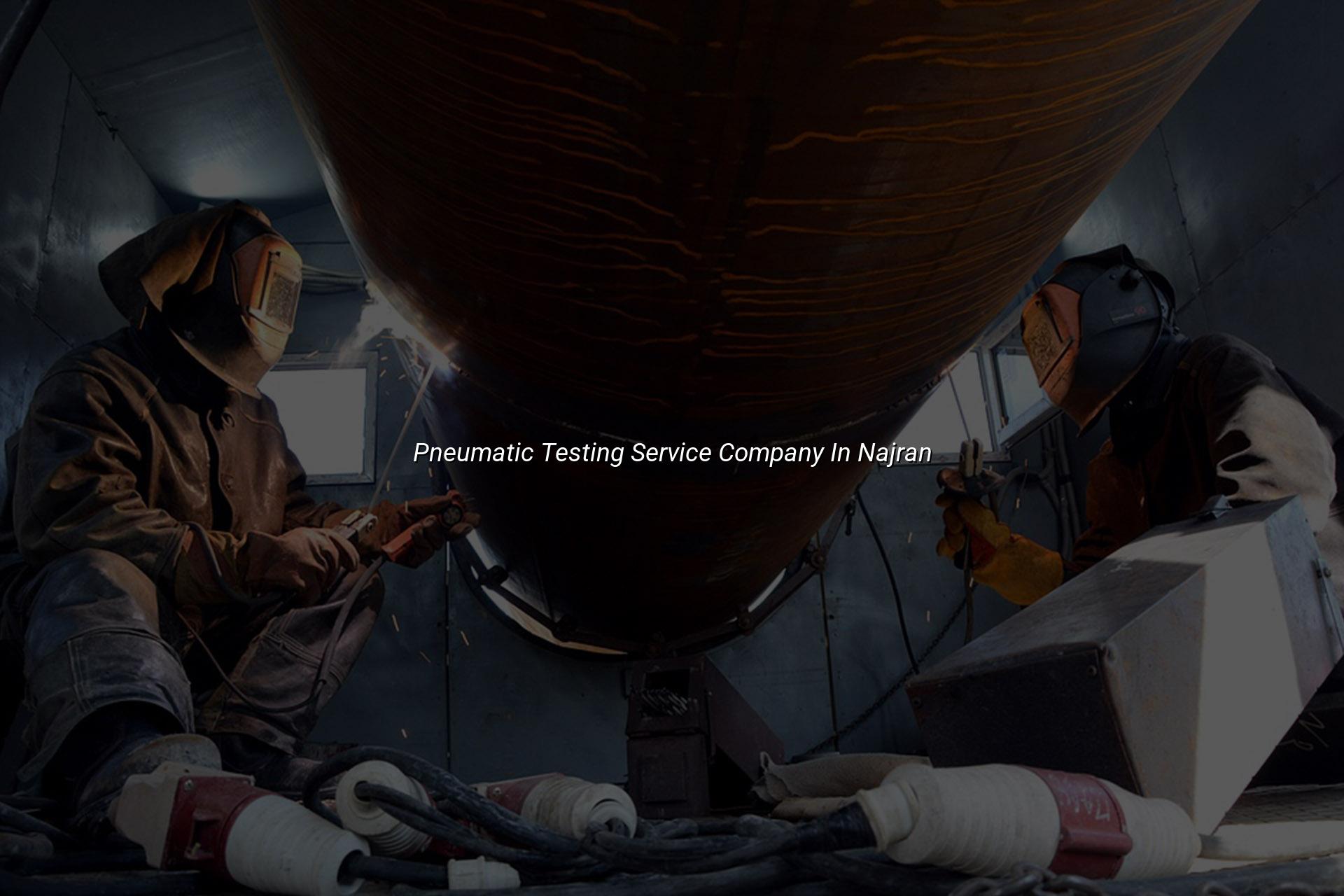
Pneumatic testing service company in Najran searches usually come from a simple need: you want a pressure test done safely, with clear readings, and without dragging the job site into confusion. We help teams check whether a line, vessel, skid, or packaged assembly will hold pressure before it goes into service, and we keep the work grounded in site conditions, not guesswork.
That matters in Najran’s industrial and utility work, where shutdown windows can be tight and a failed test can hold up fabrication, commissioning, or handover. Our team supports projects across Saudi Arabia with field testing, traceable records, and a practical approach that fits oil and gas, power, construction, manufacturing, and cold-chain facilities.
Pneumatic testing service company in Najran for field and workshop work
Pneumatic testing is used when a system needs to be checked with gas pressure instead of liquid. That choice is common on equipment where drying is hard, where contamination is a concern, or where the component needs a clean, controlled test before final installation. In our work, the usual focus is leak detection, pressure retention, and confirming that the assembly is ready for the next stage without putting people or equipment at avoidable risk.
Where this test is usually needed
We see pneumatic testing requested for pipe spools, skids, manifolds, valves, pressure-containing assemblies, and certain fabricated sections that are being prepared for commissioning. In Najran, that often means site teams need a testing partner who can work around fabrication yards, mechanical completion, or plant maintenance jobs without slowing the whole package.
Why teams ask for it
The short answer is cleanliness and practicality. Water can leave residue, create corrosion concerns, or take time to remove, so a gas test is sometimes the better route. It is still a higher-risk activity than a simple visual check, which is why method, isolation, control points, and personnel discipline matter so much.
- Review the test boundary — we confirm exactly which section is included, what is isolated, and which fittings need blanking or removal.
- Check the asset condition — the item is examined for obvious damage, loose connections, and anything that could create an unsafe test setup.
- Set the test equipment — gauges, regulators, hoses, and control valves are arranged so the pressure rise can be managed in a controlled way.
- Pressurize in stages — pressure is raised carefully, then held while the system is watched for leaks, instability, or abnormal readings.
- Record the result — the final outcome is documented so your QA, maintenance, or commissioning team has a clear trail for handover.
- Use pneumatic testing where water fill is impractical or unwanted.
- Keep the test boundary clearly marked before pressure is applied.
- Separate people from the test zone and limit unnecessary movement.
- Confirm gauges, fittings, and hoses are suitable for the intended test pressure.
- Keep written records for QA, commissioning, and client review.
Common pneumatic testing decisions for Najran projects
| Test situation | Why pneumatic testing fits | What we check |
|---|---|---|
| Pipe spools before installation | Dry testing avoids water removal and helps find leaks early | Joint integrity, seals, isolation points |
| Skids and packaged equipment | Useful when the assembly must stay clean and dry | Connections, pressure retention, access safety |
| Maintenance shutdown work | Fast verification before the item goes back into service | Boundary control, fittings, hold stability |
| Commissioning support | Helps teams confirm readiness before handover | Documentation, readings, client witness needs |
How we handle risk, records, and site control
Gas testing needs more discipline than many teams expect. A small leak can become a bigger issue if the boundary is unclear or if someone steps too close to the test area, so the setup matters as much as the test itself. We plan the job around the real site conditions, then keep the procedure practical for field crews, supervisors, and client inspectors.
What good site control looks like
In Saudi industrial work, people often want fast results, but they still need the test to be defensible. That means marked exclusion zones, the right test gauges, a known pressure path, and written evidence of what was checked. If the job sits inside a larger commissioning package, those records can save hours later when the client asks for proof of completion.
Built for industrial handover
We support projects where the test result has to fit into QA files, commissioning packs, or maintenance closeout folders. That includes work for oil and gas, petrochemical, power, manufacturing, construction, and cold-chain facilities across Saudi Arabia and the wider Middle East.
When a pneumatic test is the better option
Dry systems
Choose gas testing when moisture could contaminate the line, damage product quality, or create extra cleaning work before start-up.
Hard-to-drain assemblies
Some skids, small-bore piping, and compact packages are a nuisance to drain and dry. Pneumatic testing avoids that step.
Commissioning deadlines
When a project is moving toward handover, a controlled field test can help your team close punch items with less rework.
How Mayon Industrial Services Can Help
We support pneumatic testing alongside our calibration, mechanical services, inspection, and commissioning work, so your project team can deal with one experienced partner instead of juggling several vendors. If your Najran job needs pressure testing, leak checks, or support on a broader maintenance or handover package, we can plan the work around your site needs and document it properly.
Call +91 99447 80844 (India) or +966 59 633 8012 (Saudi Arabia), email services@mayonservices.com, or message us on WhatsApp.
Frequently Asked Questions
Usually it’s a project team that wants a dry pressure test on piping, skids, or pressure-containing assemblies. We get calls from maintenance supervisors, commissioning teams, fabrication yards, and QA staff who need a safe, documented result before handover.
No, and that’s where a lot of people get it wrong. Pneumatic testing is useful when water is a problem, but hydrotesting is still the right choice for many systems. We look at the item, the purpose of the test, and the site conditions before recommending the approach.
The boundary has to be clear, the equipment has to be suitable, and everyone nearby needs to know the area is under test. We also verify fittings, gauges, and isolation points so the setup is controlled before pressure is introduced. That basic discipline prevents most of the avoidable problems.
Yes. Our Saudi operations support projects from Dammam Industrial City 2 and we also work across Saudi Arabia and the wider Middle East, depending on the job scope. If your site sits within that region, we can discuss the practical details with your team.
That depends on the project, but we usually provide the test record and the relevant readings so your QA or commissioning file stays complete. If you need the work tied into a larger package, we can align the documentation with your closeout format.
Ready to plan a pressure test that holds up on site?
If you need a pneumatic testing partner for Najran, we’re ready to talk through the job, the boundary, and the records you need for handover.
Contact Mayon