
Temperature Calibration Company in Yanbu
Traceable temperature calibration for probes, thermometers and controlled environments, supported from Dammam Industrial City 2.
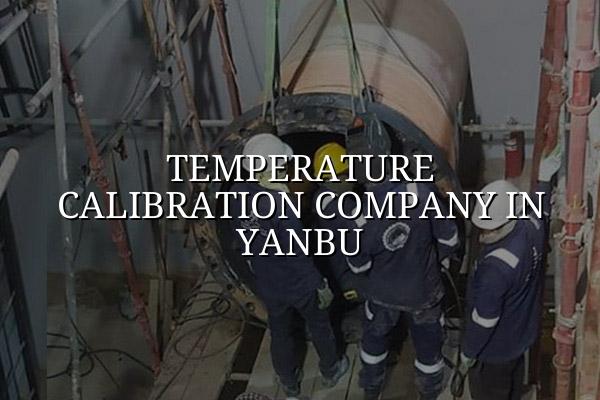
Temperature calibration company in Yanbu support matters when your process depends on a probe reading the same way every time. If your cold room, furnace, oven, tanker, or laboratory equipment is drifting, the right calibration partner helps you spot it before it becomes a production issue.
At Mayon Industrial Services, we work with industrial teams that need traceable temperature calibration in Yanbu and across Saudi Arabia. Our team supports plants in oil & gas, petrochemical, power, food, cold chain, healthcare and manufacturing with ISO/IEC 17025:2017 compliant work, onsite visits, and in-house laboratory support when the instrument needs controlled handling.
Temperature Calibration Company in Yanbu for Plants, Labs and Cold Chain Sites
Most requests we get from Yanbu are practical. A maintenance manager wants confidence in a storage room map. A QA team needs proof that a reference thermometer, data logger, or chamber sensor is still within tolerance. A contractor working on a process line wants the calibration done with minimal interruption, because shutdown windows in industrial sites are never generous.
What we calibrate for temperature jobs
We handle a wide range of temperature-related instruments, from digital thermometers and RTDs to thermocouples, probe systems, temperature indicators, dry block units and monitoring devices used in warehouses or process areas. Where the instrument needs better control, we use our temperature-controlled in-house laboratory. When the job needs to happen at your site, our mobile calibration lab can come to Yanbu with the right setup for onsite work.
Why traceability matters in Yanbu
In industrial Saudi environments, temperature numbers often sit behind a bigger decision: product quality, asset protection, or compliance with customer specs. If a refrigerated zone or thermal chamber is out of range, the cost is not just a bad reading. It can affect batch acceptance, maintenance planning, and the confidence of your own audit trail. That is why our calibration work is built around ISO/IEC 17025:2017, with records and traceability that your internal team can actually use.
- Check the instrument type — we first confirm whether the item is a probe, handheld thermometer, chamber sensor, data logger or reference unit.
- Review the operating range — the calibration points should suit the way you actually use the instrument, not just a generic test range.
- Select onsite or lab-based work — onsite suits installed equipment and routine checks; lab handling suits instruments that need tighter control.
- Carry out the calibration and record results — we compare readings against suitable references and document the outcome clearly.
- Use onsite calibration for fixed equipment in Yanbu facilities where removal would interrupt operations.
- Choose controlled lab work for sensitive devices, especially when stability during testing matters.
- Ask for support on cold rooms, freezers, reefer vehicles and thermal chambers used in cold-chain work.
- Keep a simple asset list ready so the team can plan the visit around instrument type and location.
Typical Temperature Instruments and Where They Are Used
| Instrument | Typical Yanbu Use | Best Service Option |
|---|---|---|
| Handheld thermometer | Spot checks in stores, kitchens and maintenance areas | Onsite or lab-based, depending on access |
| RTD or thermocouple probe | Process lines, vessels, ovens and heaters | Onsite for installed sensors |
| Data logger | Cold rooms, warehouses and reefer vehicles | Onsite with review of actual operating points |
| Temperature chamber sensor | Testing rooms and controlled environments | Lab or onsite, based on condition and setup |
How We Plan a Temperature Calibration Visit
For Yanbu clients, the first step is usually not the calibration itself. It is understanding the instrument’s real use. A sensor installed on a line running hot product needs different attention from a thermometer used for warehouse checks. We also look at access, location, and whether a pick-up and delivery arrangement makes more sense for the job.
When a mobile calibration lab helps
Our mobile calibration lab is useful when the equipment cannot be removed without stopping work or when the site needs an onsite record for installed assets. That matters in active industrial facilities and during maintenance campaigns where the team needs verification without moving every device back and forth. If special conditions are needed, our in-house laboratory and pick-up and delivery support give you another route.
What you get from a disciplined approach
Clear readings. A clean record. Less argument during audits or internal reviews. That is the real value for most maintenance and QA teams we meet in Saudi Arabia, because they need evidence that holds up when a customer asks questions.
Factors That Influence Temperature Calibration Accuracy
Temperature calibration is rarely about one single reading. The result can shift if the sensor is damaged, the cable is worn, the probe is poorly positioned, or the instrument is being used outside the environment it was meant for. In our work, the most common issue is not a dramatic failure. It is slow drift that goes unnoticed because the equipment still “looks fine” on the plant floor.
Drift, placement and environment
Yanbu sites often combine heat, salt air, vibration and long operating hours. Those conditions are hard on instrumentation. We advise clients to check mounting condition, connection integrity and actual use location before scheduling calibration. If a device is installed near a hot surface or in a drafty enclosure, the reading may be misleading even if the instrument itself is healthy.
Recordkeeping that helps your team later
A good calibration record should do more than satisfy a checkbox. It should show the asset identity, the result, the condition found, and enough detail for the next review. That saves time during audits and makes it easier for your team to spot repeat issues across similar instruments.
- Inspect physical condition — look for bent probes, cracked displays or loose connectors before the visit.
- Confirm the use point — tell us where the instrument works, because that guides the calibration points.
- Review the tolerances — if your internal limit is tighter than the usual process range, we need to know it up front.
- Store the report with the asset history — that helps when the next audit or maintenance review comes around.
- A sensor can drift slowly and still pass a casual visual check.
- Site heat and vibration can affect installed probes more than a lab bench test would suggest.
- Calibration points should match real operating temperatures, not just the easiest range to test.
- Clear asset labels help when you manage several identical devices across one site.
Why Yanbu Buyers Ask for ISO/IEC 17025 Work
Procurement teams and QA managers in Yanbu usually want the same thing: confidence that the calibration record can stand up to an internal review or customer audit. ISO/IEC 17025:2017 is the standard they recognize for competence in calibration and testing, and it is a big reason our temperature work fits industrial projects in Saudi Arabia and the wider Middle East.
What that means in practice
It means you are not just getting a number written on a sheet. You are getting a structured process, measurable results and traceability that your team can use when equipment is installed in a plant, warehouse or controlled environment. For many clients, that is the difference between a file full of paper and a record that actually helps operations.
Common places we see temperature work
Cold rooms, freezers, thermal chambers, reefer vehicles, warehouses, process lines and maintenance stores. The details change, but the requirement is the same: trustworthy readings when it counts.
How Mayon Industrial Services Can Help
If you need a temperature calibration company in Yanbu, we can support you with onsite calibration, in-house laboratory work, mobile calibration lab deployment and practical advice on the right method for each instrument. We also help teams that need related services such as condition monitoring, inspection, electrical testing, mechanical work, orbital welding, lab setup and training, so one call can cover more than one job.
Call +91 99447 80844 (India) or +966 59 633 8012 (Saudi Arabia), email services@mayonservices.com, or message us on WhatsApp.
Frequently Asked Questions
We support onsite temperature calibration in Yanbu for installed equipment, process sensors and site-based monitoring devices. That helps when removing the instrument would stop production or interfere with a maintenance window. If the item needs controlled handling, we can also route it through our in-house laboratory.
Yes, we regularly handle thermometers, probes, data loggers, RTDs and thermocouple-based devices. The exact method depends on the instrument type and how it is used on site. We match the calibration points to the real application so the result is useful, not just tidy on paper.
Yes. Our calibration work is built around ISO/IEC 17025:2017 for competence and traceability. That is the standard many Saudi industrial clients ask for because it gives them a cleaner audit trail and a more defensible record for QA review.
We most often see demand from oil & gas, petrochemical, power, cold chain, food, healthcare and manufacturing sites. In Yanbu, that usually means process areas, warehouses, utility systems and controlled storage. Each site has different tolerances, so we always ask about actual use before we start.
If the sensor is delicate, needs special environmental control, or is easier to test offsite, lab-based handling is usually the better choice. If the device is fixed in place or tied to an active process, onsite calibration is usually more practical. We can help you decide after a quick review of the asset list.
Ready to keep your temperature readings under control?
Send us your instrument list and site location, and we’ll help you choose the right calibration route for Yanbu or nearby industrial sites.
Contact Mayon