
Thermal Mapping and Validation Company in Red Sea
Validation data you can trust for cold-chain and controlled-temperature assets across Saudi Arabia and the wider Middle East.
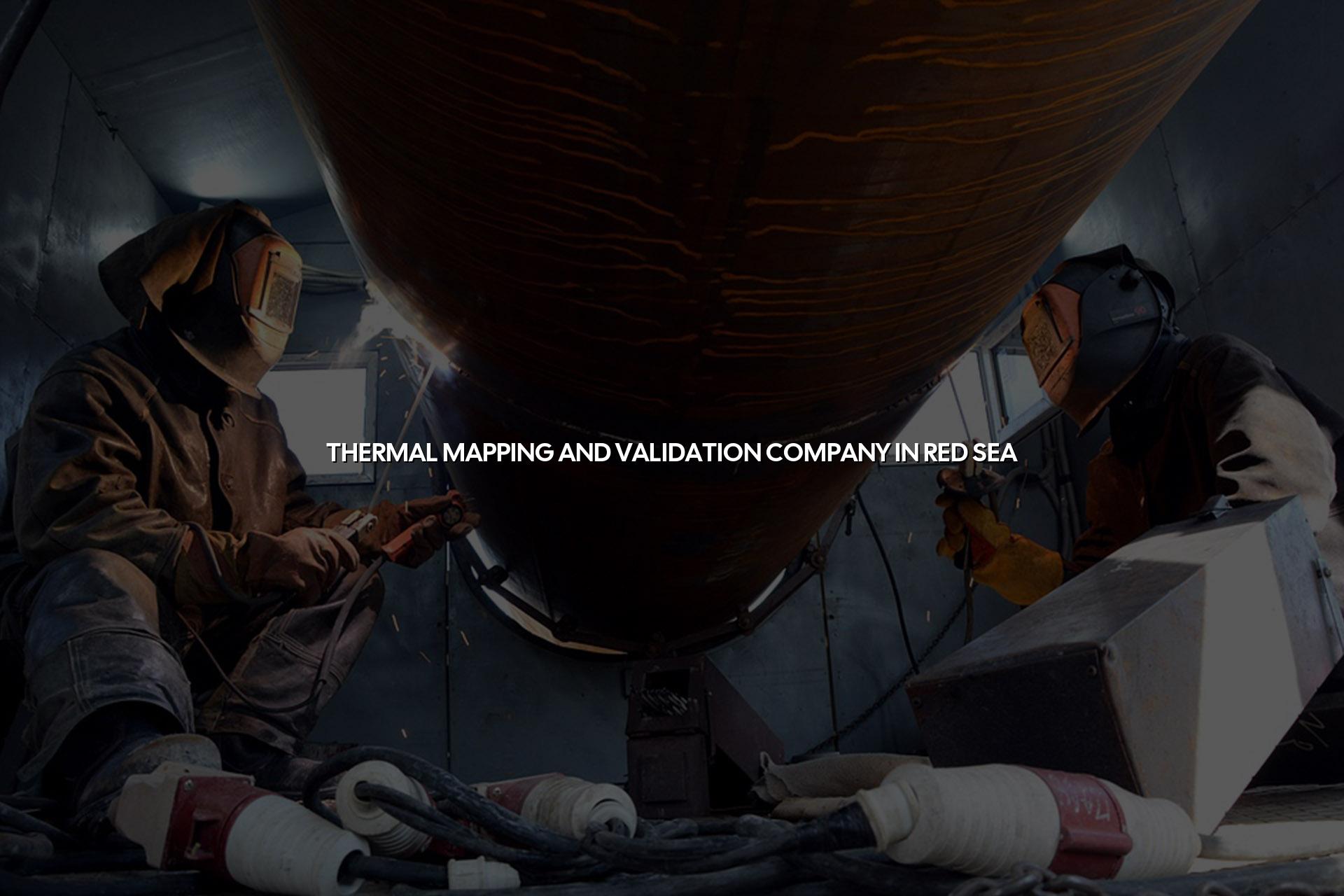
Thermal mapping and validation company in Red Sea support matters when a cold room, freezer, reefer vehicle or chamber has to hold a real temperature profile, not a guess. We help teams document hot spots, cold spots, recovery behaviour and load effects so the room works the way your process expects.
In Saudi Arabia and across the Middle East, we see this need most often in food storage, pharma distribution, healthcare, and industrial plants near the Red Sea corridor. Our team works with controlled-temperature assets in the field, and we back the work with ISO/IEC 17025:2017 discipline, calibrated instruments and practical engineering sense.
Thermal mapping and validation company in Red Sea for controlled environments
When people search for a thermal mapping and validation company in Red Sea, they usually need two things at once: data that makes sense and a report they can show during QA review. That means a clear sensor layout, documented measurement points, calibrated equipment, and a result that explains what happens during steady state, pull-down, door opening and recovery. We keep the work practical. No fancy language. Just the facts your team needs to decide whether the space is fit for use.
What we validate and why it matters
We handle cold rooms, warehouses, freezers, reefers and thermal chambers used in pharma, food, cold-chain logistics and manufacturing. A room can look fine on the thermostat and still hide a warm corner near the evaporator return or a slow recovery zone near the entrance. That is the part people miss, and it is often the part auditors ask about. Good mapping shows the real profile under load, which helps you protect product quality and reduce surprises during inspections.
How we plan the survey
Every site starts with a quick technical review. We ask about room dimensions, product load, setpoint, operating cycle, door use and whether the unit is a cold room, freezer, reefer body or chamber. Then we place sensors where the risk is highest, not just where it is convenient. For Red Sea projects, we also think about ambient heat, access conditions and the way doors are used during receiving and dispatch. That changes the result more than many teams expect.
- Review the application — we confirm the asset type, operating range, product risk and the purpose of the validation, such as GMP support, internal QA or commissioning.
- Place calibrated sensors — we position temperature probes to capture likely hot and cold zones, including corners, product zones, return air paths and door-adjacent points.
- Run the mapping cycle — we record the profile through normal operation, including stabilization and recovery after access events where the procedure calls for it.
- Analyze and report — we prepare a readable summary with the findings, trend data and practical remarks for corrective action if any area falls outside the expected band.
- Use mapping data before loading product for the first time.
- Recheck after any change to insulation, shelving, airflow or door seals.
- Keep calibration records for all probes and loggers used in the study.
- Ask for a layout that covers corners, center points and airflow-sensitive areas.
- Treat reefer validation as a transport control task, not just a trailer check.
Thermal mapping checks by asset type
| Asset type | Main mapping focus | Common user concern |
|---|---|---|
| Cold room | Temperature uniformity, door recovery, load effect | Warm pockets near entrances and corners |
| Freezer | Low-temperature stability and pull-down behaviour | Whether the setpoint is held under real use |
| Reefer vehicle | Air distribution during transport and stops | Product exposure during loading and transit |
| Thermal chamber | Setpoint accuracy, recovery and cycle behaviour | Process repeatability for testing or storage |
Why Red Sea sites need a tighter validation plan
Red Sea industrial zones and coastal operations deal with high ambient heat, frequent loading activity and equipment that may be running close to capacity. That makes room behaviour less forgiving. We have seen simple issues like door gaskets, fan direction, poor stacking or blocked return air paths cause a room to pass on paper and fail in daily use. A proper mapping plan catches those weak points early.
What good data looks like
Good data is readable. You should be able to see the minimum, maximum and average profile, the time the space took to stabilize, and how it responded to disturbances. If the report only shows numbers without context, it usually leaves the maintenance or QA team guessing. We prefer to explain the result in plain terms, because the person reviewing it often needs to make a go/no-go call before product moves in.
Built for audits and daily use
Our mapping work supports internal QA reviews, commissioning checks and corrective action plans for spaces used in pharma, food and logistics. Where needed, we can align the work with ISO/IEC 17025:2017 traceability expectations and keep the evidence chain clean from probe selection through final report.
What the validation report should help you decide
Acceptance, corrections and retest
If the study shows a weak zone, the report should help you act on it. That may mean adjusting shelving, changing fan settings, repairing seals, changing load pattern or revisiting the operating procedure. We keep the report useful for the next step, not just archival filing. If a retest is needed after corrective action, it should be based on the same technical logic, not a fresh guess.
Commissioning and periodic review
Some teams need mapping at commissioning. Others need periodic review after layout changes, equipment repair or seasonal load changes. In our experience, the best time to revalidate is when the process changes, not after a storage issue shows up. That is especially true for cold-chain sites handling sensitive goods through Saudi and GCC transport routes.
How Mayon Industrial Services Can Help
We support thermal mapping with the same discipline we use in calibration and industrial testing. That means calibrated instruments, careful placement, sensible field planning and reports that speak to QA, maintenance and procurement teams. If your cold room, freezer, reefer or chamber in the Red Sea region needs validation, our team can help you plan it, execute it and explain the result without guesswork.
Call +91 99447 80844 (India) or +966 59 633 8012 (Saudi Arabia), email services@mayonservices.com, or message us on WhatsApp.
Frequently Asked Questions
It covers the practical testing of temperature-controlled spaces such as cold rooms, freezers, reefers and chambers. We place sensors, record the temperature profile, check for hot and cold spots, and give you a report that shows how the space behaves under real operating conditions.
We start with the room size, setpoint, product type and how the room is used day to day. Then we map the space with calibrated loggers, review the data for stability and recovery, and document any weak points that need correction before the room is put into service or reapproved.
Yes, we do. Reefer mapping helps you check how the load space behaves during normal transport, loading stops and door openings. That matters if you're moving pharmaceuticals, food or other goods that need a stable cold-chain profile from dispatch to delivery.
It gives your data a stronger technical basis because the instruments and process follow a recognized calibration and testing framework. For QA teams, that means the numbers in the report are easier to defend during review, audits and supplier checks.
Revalidation makes sense after repair work, layout changes, a control system change or any shift in how the chamber is used. If the chamber is part of a regulated process or sensitive test environment, periodic review is a good habit even when nothing has visibly failed.
Yes, onsite support is part of how we work. We also have a mobile calibration lab for field jobs, which helps when instruments need control and the site conditions are better handled on location.
Ready to validate the temperature profile properly?
If you need clear thermal mapping data for a cold room, freezer, reefer or chamber in the Red Sea region, talk to our team and we’ll help you plan the next step.
Contact MayonIf you need a thermal mapping and validation company in Red Sea that speaks plainly, documents the work properly and understands how industrial cold-chain sites operate, we’re ready to help. Mayon Industrial Services brings the field experience, calibration discipline and engineering support that these jobs depend on.