
Valve Testing Company in Al Hasa
Onsite valve testing support for oil, gas, process and utility facilities in Al Hasa and nearby industrial zones.
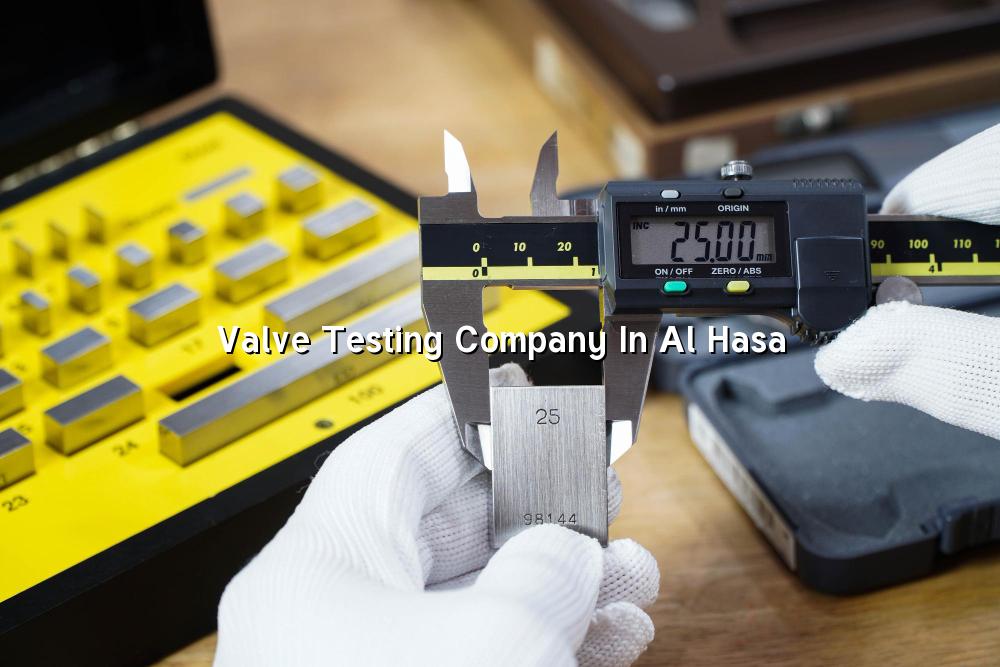
Valve testing company in Al Hasa searches usually come from a real production problem: a valve that won't hold pressure, a shutdown line that needs checking, or a maintenance team that wants evidence before commissioning. We help you verify whether the valve is fit for service, where it is leaking, and what needs to be corrected before the system goes back online.
Our work fits the kind of plants that operate across Al Hasa and the wider Eastern Province, especially oil & gas, petrochemical, utilities and process industries. We support onsite inspection, pressure testing, documentation and related mechanical checks with the same disciplined approach we use in Saudi Arabia and across the Middle East.
What a Valve Testing Company in Al Hasa Should Check
A proper valve test is not just a box to tick. In our experience, the real value comes from checking sealing performance, body condition, operating behaviour, and the paperwork trail that maintenance and QA teams need later. For plants handling hydrocarbons, steam, cooling water or chemical service, even a small leak can become a bigger issue once pressure, temperature and vibration start working together.
Leak tightness and seat condition
We look first at the parts that actually stop flow: the seat, disc or plug, stem packing and flange interfaces. If a valve passes only after excessive force, or leaks at a specific pressure range, that tells you something about wear, contamination or poor fit-up. That matters in shutdown work because a valve that looks fine on paper can still fail once line conditions change.
Why the test method matters
Different valves need different handling. Gate, globe, ball, check and control valves do not behave the same way, and the test setup has to reflect that. A test rig, a comparator, the medium used for pressure, and the acceptance criteria all need to match the job. That's where disciplined calibration and traceable measurement make a difference, especially when the result is going into a commissioning file or maintenance record.
- Identify the valve type — confirm the service duty, size, pressure rating and any special trim or actuator arrangement before testing begins.
- Inspect the external condition — check the body, flange faces, bolting, tags, packing and obvious signs of corrosion or damage.
- Set up the test — isolate the valve, choose the right medium, connect the gauges and prepare the pressure source with control in place.
- Apply the pressure and observe — record leakage, pressure decay, stem behaviour and any abnormal movement while the valve is under load.
- Document the result — note pass, fail, repair recommendation or retest requirement so the maintenance team can act on it.
- Use traceable gauges and instruments, because weak measurement control makes the report hard to trust.
- Separate operational valves from critical isolation valves so the right acceptance criteria are applied.
- Check packing and flange sealing as part of the inspection, not as an afterthought.
- Record the test medium, pressure level and visible leakage point so repairs are targeted.
Common Valve Test Checks by Service Condition
| Valve / Situation | What We Check | Why It Matters |
|---|---|---|
| Isolation valve before startup | Seat tightness, external leakage, stem condition | Helps catch installation issues before the line is put into service |
| Valve after maintenance repair | Pressure holding, flange sealing, operating feel | Shows whether the repair actually solved the fault |
| Critical utility valve | Leak paths, packing condition, opening and closing behaviour | Reduces nuisance shutdowns and unplanned maintenance calls |
| Valve in corrosive or dirty service | Body integrity, actuator movement, seat wear signs | Identifies damage that often appears after repeated service cycles |
How Valve Testing Helps Plants in Al Hasa
For refineries, gas facilities, pump stations and manufacturing plants, valve testing is part of keeping shutdowns under control. It gives maintenance teams proof that an item can hold pressure, isolates a fault before it spreads, and helps QA teams keep a cleaner handover record. If you're preparing for commissioning, turnaround work or a repair campaign, a disciplined test can save a lot of guesswork later.
When onsite testing is the smarter choice
Onsite work is often the better answer when removing the valve would slow down the job or create extra risk. We see this often with large valves, hard-to-access skids, or equipment tied into busy production lines. In those cases, using a mobile setup and clear isolation planning is usually the practical route.
Built for plant reality
Valve testing often happens beside other tasks such as hydrotesting, flange work, bolt torquing, commissioning checks and instrument verification. That is the reality in a live plant. We keep the scope tight, coordinate with the site team, and focus on giving you a result you can use immediately.
Related Work That Often Sits Beside Valve Testing
Mechanical support
Cold cutting, flange facing, bolt tensioning and hydrotesting often come before or after valve verification. When a line needs reassembly, these jobs need to be coordinated so the test result reflects the actual condition of the system.
Inspection discipline
NDT, lifting-equipment inspection and PPE checks matter on many of the same sites where valve work happens. A plant in Al Hasa usually wants the full maintenance picture, not one isolated task with no connection to the rest of the job.
Calibration traceability
Testing is only useful when the measurements are trustworthy. Our ISO/IEC 17025:2017 discipline, together with ISO 9001:2015 processes and EURAMET CG-15 where electrical calibration is involved, supports that level of control.
How Mayon Industrial Services Can Help
We support valve testing with the same field discipline we bring to calibration, mechanical services and commissioning support. If your team needs onsite testing in Al Hasa, a pressure-related check before startup, or help with connected work like hydrotesting and flange preparation, we can work with your maintenance plan and site rules. If you need to discuss a specific valve package, talk to us and we'll help you scope the job properly.
Call +91 99447 80844 (India) or +966 59 633 8012 (Saudi Arabia), email services@mayonservices.com, or message us on WhatsApp.
Frequently Asked Questions
The best fit is usually a team that understands both the valve itself and the plant around it. You want pressure testing, inspection, and documentation handled in a way that fits oil, gas, petrochemical or utility work. That's the part many maintenance teams care about most, because the report has to stand up during handover and audit reviews.
Most site jobs include visual inspection, sealing checks, pressure hold testing, stem or actuator observation, and written recording of the outcome. Depending on the valve and service, the scope can also include flange sealing checks or coordination with nearby hydrotesting. The exact setup should match the valve type and the process line it's installed on.
Yes, onsite testing is common when the valve is already installed, the line is difficult to strip down, or the plant wants to reduce downtime. A mobile setup also helps when the item is part of a larger maintenance package and needs to be checked as-is. We plan the work around site access, isolation and the safety controls already in place.
That depends on the work scope, but the measurement side should stay traceable and controlled. At Mayon we work within ISO/IEC 17025:2017 for competence in calibration and testing, and ISO 9001:2015 for quality management. For electrical calibration work linked to the same project, EURAMET CG-15 is part of our reference framework.
Normally the valve is tagged for repair, replacement or further inspection, depending on what failed. A seat leak can point to contamination or wear, while external leakage can mean packing or flange problems. A clear failure note helps the maintenance team choose the next step without arguing over the test result.
Yes, and that is often where the work matters most. Shutdowns and commissioning runs leave very little room for weak documentation or unclear results. We can fit valve testing into a larger package that also includes mechanical services, inspection or calibration support, so the handover is cleaner.
Ready to check the valves before the line goes live?
If you need a valve testing team in Al Hasa that understands industrial pressure work and site discipline, reach out and tell us what you're dealing with.
Contact Mayon