
Valve Testing Company in Petro Rabigh
Traceable valve testing support for Petro Rabigh projects, shutdowns, and maintenance campaigns.
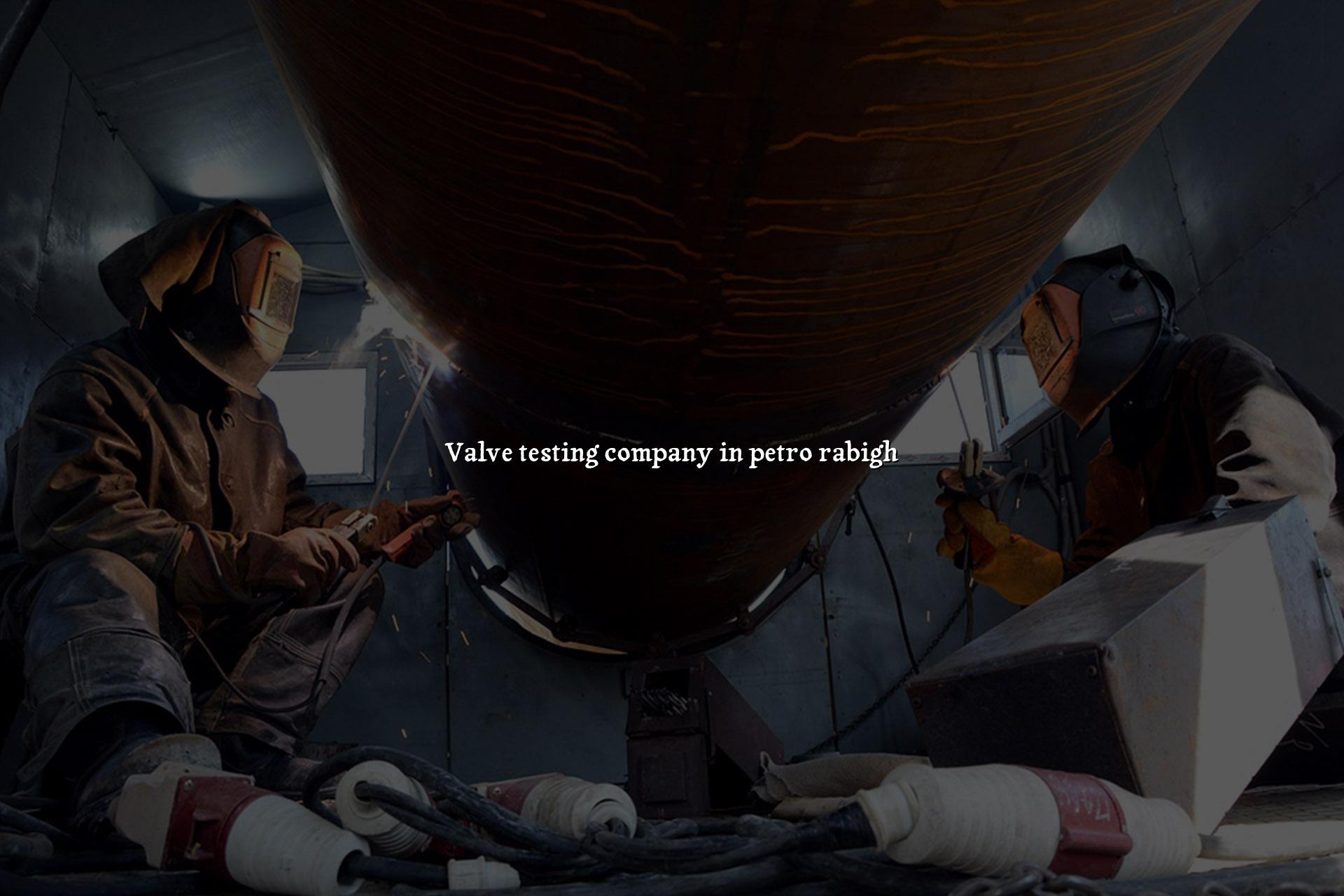
Valve testing company in Petro Rabigh projects need more than a quick visual check. They need proof that a valve will hold pressure, open when it should, and close without surprise. That's the part we help with, using traceable methods and practical field experience.
We work with maintenance teams, shutdown planners, and QA staff who need dependable valve verification for refinery, petrochemical, and utility systems. In Petro Rabigh, that usually means tight coordination, clear records, and testing that fits the site's safety and commissioning rules.
Valve testing company in Petro Rabigh for plant reliability
When a valve is specified for hydrocarbon service, cooling water, steam, or instrument air, the test needs to match the duty. A valve that passes the wrong test can still leak under real operating load. That is why our work starts with the service condition, end connection, pressure class, and the failure mode the plant is trying to avoid.
What we normally check first
Most Petro Rabigh jobs start with identification. We confirm the valve tag, type, size, material, and service line before any rigging begins. From there, we choose the right approach: shell test, seat leakage test, actuator function check, or a combination. If the unit is part of a shutdown, we also plan around the permit window so the test crew isn't blocking other critical work.
Why traceability matters on site
Traceable pressure and instrument records matter because plant teams need confidence during handover and future maintenance. For many clients, the real pain point is not the test itself; it's the missing documentation that slows down acceptance. Our process is built to produce clear records, linked equipment identifiers, and practical remarks that maintenance engineers can use later.
- Identify the valve and service — confirm the tag, duty, isolation status, and the applicable test method before setup begins.
- Prepare the test rig — select the right pressure source, gauges, fittings, blinds, and safety barriers for the job.
- Perform the test — apply the specified procedure, watch for leakage, pressure drop, seat issues, or actuator problems.
- Record and release — document the result, note any defect, and hand over the file for QA and maintenance review.
- Use calibrated instruments so the reading can be trusted in a closeout file.
- Test under the service conditions the plant actually cares about, not just a general pass/fail.
- Keep the valve body, seat, and actuator records together for faster maintenance review.
- Plan the test around shutdown access, lifting points, and line isolation needs.
Common valve testing checks used in Petro Rabigh plants
| Test or Check | What It Shows | Typical Plant Use |
|---|---|---|
| Shell pressure test | Body strength and visible leakage under pressure | New valves, repaired valves, pre-installation release |
| Seat leakage test | Whether the sealing surface holds when closed | Isolation valves, shutdown and safety-critical lines |
| Actuator function check | Stroke movement, response, and control action | Automated valves, control loops, ESD-related devices |
| Visual and dimensional inspection | Condition, damage, orientation, and fit-up issues | Incoming inspection, maintenance returns, overhaul jobs |
How the testing process stays controlled
Valve work can look simple from a distance. Up close, it needs discipline. Lines must be isolated properly, pressure has to be applied in a controlled way, and the test area needs enough space for safe observation. We keep the setup practical because most site problems start when the rig is rushed or the paperwork is unclear.
What QA teams usually ask for
In our experience, QA and maintenance teams in Saudi industrial facilities usually want three things: a clean test procedure, evidence of calibrated equipment, and a report that names the actual valve tested. If one of those pieces is missing, the job comes back for clarification. That wastes time, so we build the record properly the first time.
Built for shutdowns, turnarounds, and maintenance
Petro Rabigh sites often run on tight schedules, so valve testing has to fit around other disciplines. We coordinate with the mechanical and inspection scope, which helps reduce handover delays and avoids repeat mobilization for a simple missing test record.
Where valve testing makes the biggest difference
Refinery and petrochemical lines
Isolation valves, bypass valves, and control valves need dependable closure. A seat issue here can turn into a leak concern fast, especially during shutdown or start-up.
Utilities and balance-of-plant systems
Cooling water, compressed air, and steam support systems often carry valves that are easy to ignore until they fail. Testing helps catch wear before it becomes a plant upset.
Repair returns and spare stock
Before a repaired valve goes back on the shelf or into service, the plant wants proof it behaves properly. That simple check saves rework later.
How Mayon Industrial Services Can Help
We support valve testing with calibrated pressure and measurement equipment, mechanical service know-how, and the kind of reporting QA teams expect on industrial sites. If you need help with related scope too, our team can handle inspection, mechanical maintenance, testing and commissioning, and other field support around the valve job. That makes life easier when the work package is mixed and the clock is running.
Call +91 99447 80844 (India) or +966 59 633 8012 (Saudi Arabia), email services@mayonservices.com, or message us on WhatsApp.
Frequently Asked Questions
We can support onsite valve testing for refinery and petrochemical work where access, isolation, and documentation are already planned. The key is matching the test method to the valve service and making sure the instrument records are traceable. That's what plant teams usually care about when they review the file later.
A proper report normally includes the valve identification, test method, observed result, and the equipment used for the test. For industrial sites, we also make sure the remarks section is clear enough for QA and maintenance teams to follow without guesswork.
Yes. Shutdown work is a common use case for us, especially where valve testing has to sit beside mechanical maintenance, inspection, and commissioning. We plan the job around the site sequence so the test doesn't stall other trades.
We can support both, depending on the system and the scope agreed with the client. Actuated valves need extra attention because the valve body, actuator, and control response all matter. That usually means more coordination with the maintenance or instrument team.
Because the test result is only as good as the measurement behind it. If the pressure gauge or related instrument isn't traceable, the plant may question the result. We use calibrated equipment so the data stands up during review.
Need valve testing you can hand over with confidence?
If your Petro Rabigh project needs clear records, practical field support, and a team that understands plant pressure, get in touch and we'll help you plan the work.
Contact Mayon