
Pneumatic Testing Service Company in Petro Rabigh
Onsite pneumatic pressure testing for pipelines, vessels and plant equipment in Rabigh and across the western Saudi industrial belt.
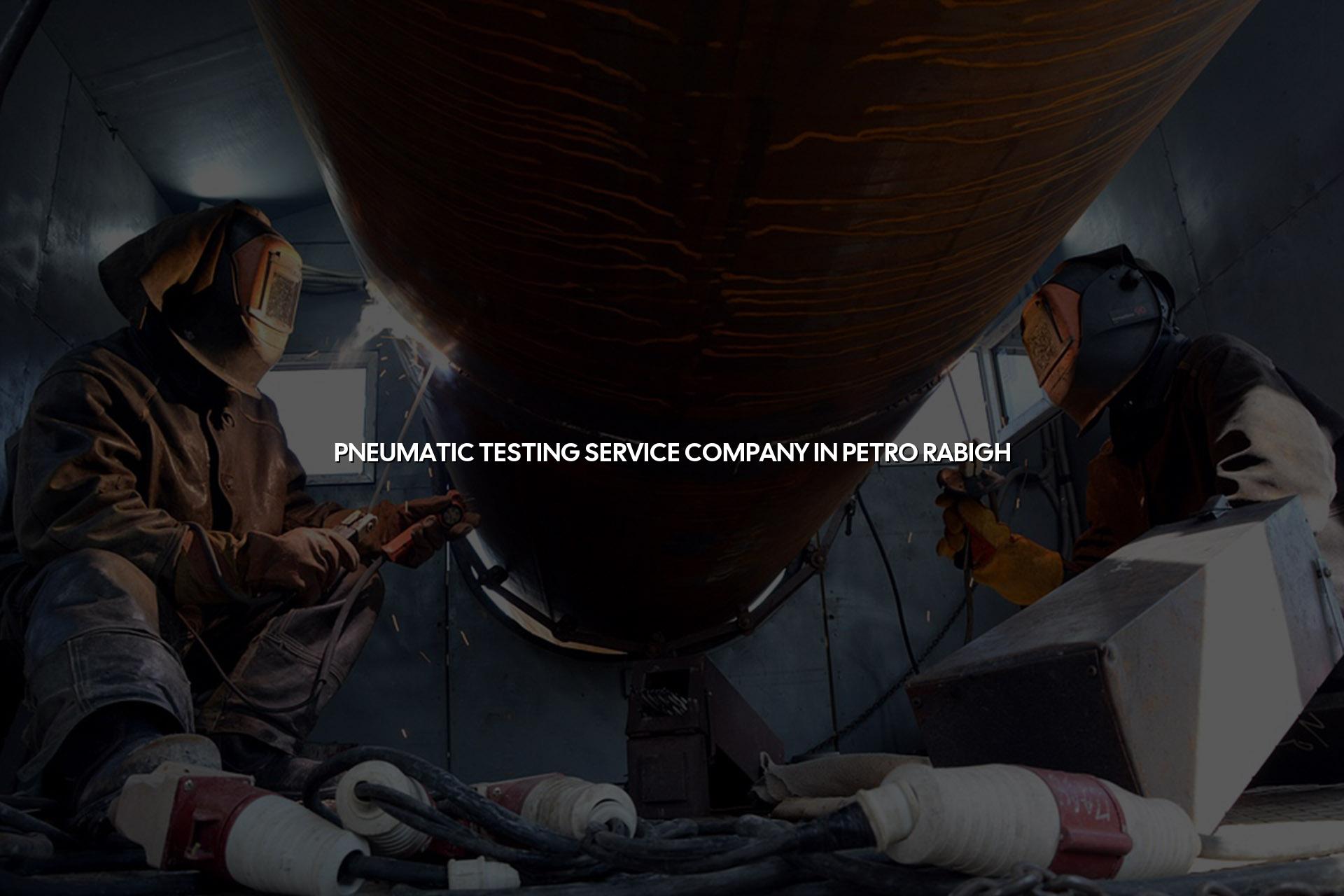
Pneumatic testing service company in Petro Rabigh support starts with the one thing every plant team wants: a clean pressure test that tells you the system can hold, seal and stay safe before you hand it back to operations. We handle that work with the same discipline we use on calibration jobs, so you get a test plan, controlled pressurization and clear records you can file with the rest of your QA pack.
Petro Rabigh and the surrounding Rabigh industrial area sit in a part of Saudi Arabia where shutdown windows are tight and documentation has to stand up to real review. Our team works for oil and gas, petrochemical and utilities clients across Saudi Arabia, India and the Middle East, using onsite support, mobile-lab capability and pressure-testing know-how that fits plant work rather than workshop theory.
Pneumatic Testing Service Company in Petro Rabigh for Plant Shutdowns
Pneumatic testing is chosen when the line or equipment cannot be filled with water, or when the client needs a dry test for a system that must stay moisture-free. In Rabigh, that often means gas lines, instrument air headers, package skids, pressure-retaining assemblies and equipment tied to turnaround work. We prepare the job around the actual site conditions, because a test that looks simple on paper can get messy fast once you factor in isolation points, test media selection, temporary blinds, gauges, relief devices and permit control.
What we look at before pressure goes in
Before any air or inert gas is introduced, we check the test objective, the equipment rating, the isolation boundaries and the acceptance criteria agreed with your team. We also verify the gauges and control devices used on the setup. For a plant in Petro Rabigh, that means the testing plan has to match the tag list, the line class and the shutdown sequence, not a generic checklist pulled from somewhere else.
Why dry testing needs a careful hand
Pneumatic testing stores far more energy than a hydrotest, so the setup and exclusion zone matter. Our method is controlled and slow, with pressure raised in stages, leak checks at each step and full hold monitoring once the test pressure is reached. If the job calls for it, we coordinate with your maintenance and QA teams so the test stays inside the approved permit and the report reflects exactly what was done.
- Review the job pack — we check drawings, equipment tags, the test medium and the limits set by your engineering team.
- Build the boundary — blinds, caps, hoses, gauges and isolation points are arranged so the test section is clean and controlled.
- Raise pressure in stages — the system is brought up slowly, with checks at each step to watch for leaks or unstable readings.
- Hold and record — the stabilized pressure period is monitored, then the readings and observations are logged for handover.
- Use pneumatic testing only when water is unsuitable or the system must stay dry.
- Keep the test zone clear; stored energy is the main risk in air testing.
- Verify gauge range and calibration status before the first pressure step.
- Record the exact test section, medium used and hold observations for QA review.
- Plan for permit control and communication with operations before pressurization starts.
Choosing the Right Pressure Test for Rabigh Site Work
| Method | Typical Use | Field Note |
|---|---|---|
| Pneumatic testing | Dry systems, gas lines, instruments and equipment that cannot take water | Needs tighter exclusion control because stored energy is higher |
| Hydrotesting | Pipework, vessels and assemblies that can safely be filled with water | Often preferred when moisture is not a problem and the design allows it |
| Leak testing | Finding small leak paths after fabrication or maintenance | Useful on flanges, joints and package skids before final handover |
| Functional pressure check | Confirming the system responds correctly under working pressure | Usually part of commissioning or return-to-service work |
Why Documentation Matters on Every Pneumatic Test
For industrial clients in Saudi Arabia, a pressure test is never just a field exercise. It supports commissioning, maintenance closure and the paper trail your QA group may need during a client audit or internal review. We document the equipment used, the test section, the observed behaviour during pressurization and the final outcome, so the record is useful later instead of sitting in a folder no one trusts.
What a good test record should show
A useful report should tell you what was tested, under which conditions and with which instruments. If there was a leak, a pressure drop or a repair point, that should be clear too. That kind of record helps engineers in Rabigh compare the job against the next shutdown instead of starting from scratch every time.
Built for shutdown reality
We work around permit windows, isolation constraints and the small delays that happen on live industrial sites. That means less confusion on the floor and fewer surprises when the handover meeting starts.
Where Pneumatic Testing Helps Most in Petro Rabigh
Package skids and assemblies
Skids often arrive with tight schedules and limited space. Pneumatic testing can confirm joint integrity without introducing water that could cause cleanup, drying work or contamination concerns.
Instrument air and utility lines
These systems need stable pressure and clean routing. In our experience, many issues show up at fittings, small-bore connections and instrument interfaces, so we keep the checks focused there.
Turnaround and return-to-service work
During shutdowns, every hour counts. A well-planned pneumatic test helps maintenance teams close the job with clear evidence, which makes the final walkdown less painful.
How Mayon Industrial Services Can Help
We support pneumatic testing with the same field discipline we bring to calibration, mechanical services, inspection and commissioning work. If your Petro Rabigh project needs controlled pressure testing, documented results and practical site coordination, our team can help from planning through handover. We also support nearby industrial jobs with mobile-lab capability and the kind of traceability Saudi and GCC clients expect.
Call +91 99447 80844 (India) or +966 59 633 8012 (Saudi Arabia), email services@mayonservices.com, or message us on WhatsApp.
Frequently Asked Questions
It’s used to check whether a dry pressure system can hold pressure without leaks before start-up or handover. In Petro Rabigh, we often see it on gas-related lines, package equipment and systems that shouldn’t be filled with water. The point is to confirm integrity with controlled pressurization and proper records.
Choose pneumatic testing when water is unsuitable, cleaning the system would be difficult, or the equipment must stay dry. That said, it’s not the first choice for every job because the stored energy is higher, so planning and site control matter more. We help clients decide based on the equipment and the shutdown conditions.
We keep the setup controlled, isolate the test section properly and raise pressure in stages. The test area is treated as a restricted zone, and the team watches the gauges closely during each pressure step. That approach reduces surprises and gives operations a clearer picture of what’s happening.
Yes, we support onsite work in Saudi Arabia, including Rabigh and other industrial locations in the western region. We also operate from Dammam Industrial City 2 through our Saudi setup, so clients can coordinate pressure testing alongside other maintenance or calibration work. For a shutdown team, that makes scheduling a little easier.
Ask for the test record, the equipment used, the test section details and the final result. If your job needs it, you may also want the instrument identification and calibration status tied to the test. That way your QA file can show exactly how the test was carried out.
Yes, we can support calibration, mechanical services, inspection, orbital welding and related engineering tasks alongside pressure testing. That matters when a Rabigh shutdown has more than one scope under the same permit and the client wants one team to stay coordinated. It cuts down on handover gaps.
Ready to plan your next pneumatic test?
If you need practical pressure testing support in Petro Rabigh, get in touch and we’ll help you scope the job the right way.
Contact Mayon