
Valve Testing Company in Shedgum
Onsite valve testing for plants that need dependable results, traceable records and practical support in Shedgum and nearby industrial sites.
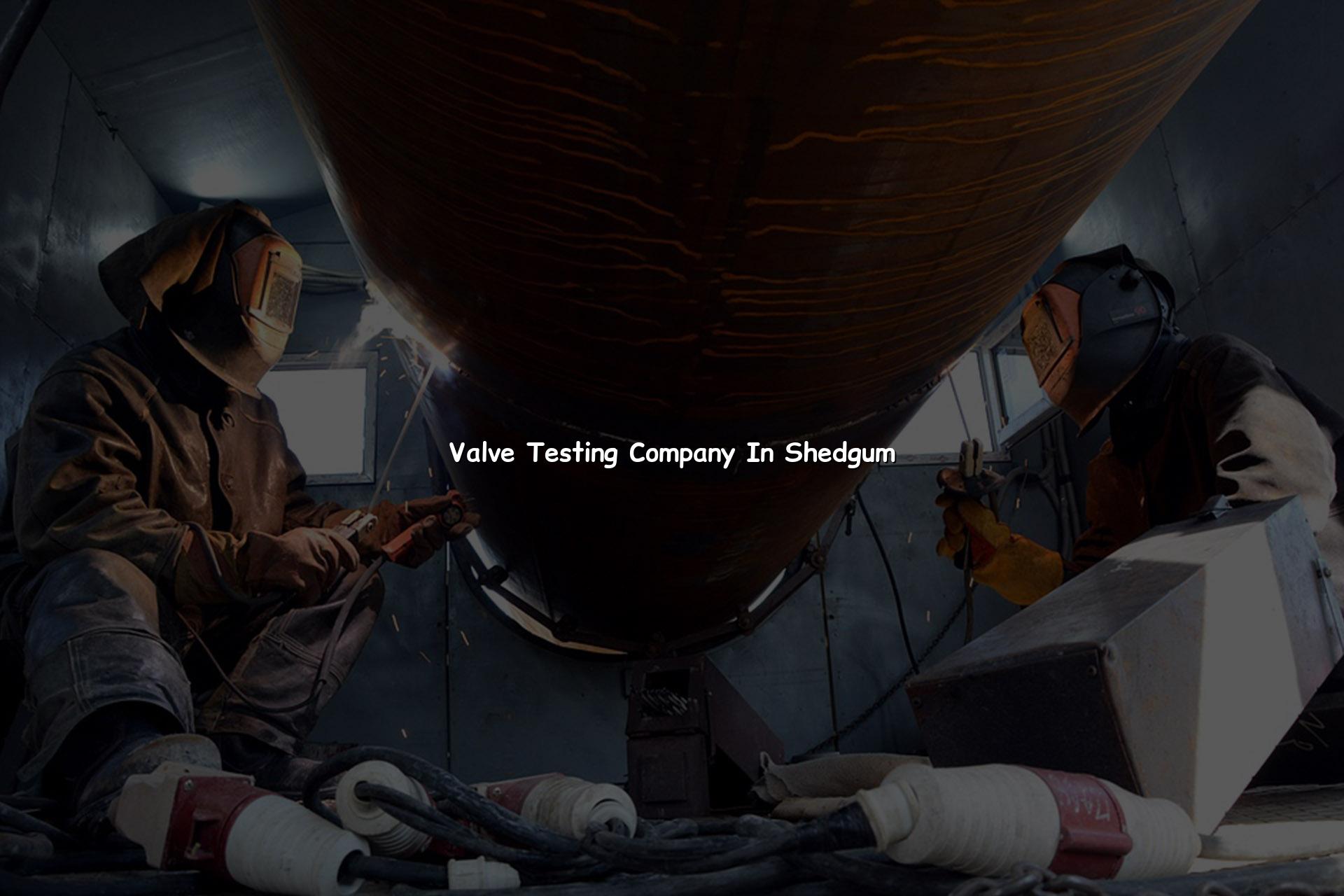
Valve testing company in Shedgum searches usually come from teams that need a straight answer: is the valve holding, is it leaking, and can it go back into service with confidence? We test valves with the kind of discipline maintenance teams expect, so you get clear results and records you can act on.
Shedgum sits in the heart of Saudi industrial activity, where process plants, utilities and oil and gas assets can’t afford guesswork. Our team supports onsite work and controlled testing setups, with the same focus on traceability, safety and practical reporting that plant managers need for shutdowns, turnarounds and routine maintenance.
Valve Testing Company in Shedgum for Plant Safety and Performance
When people ask for a valve testing company in Shedgum, they’re often dealing with isolation valves, control valves, safety-related items or line valves that have started to drift from spec. We look at the valve as part of the wider system, not as a loose item on a bench. That matters because pressure boundary issues, seat leakage, sluggish operation and installation problems can all show up as the same complaint if you don’t test properly.
What we normally check
Our testing scope depends on the valve type and the service it handles. In a process plant, that may mean pressure integrity checks, leak checks, stroke and functional checks, or verification that the valve opens and closes cleanly under the right conditions. For critical lines, especially in oil and gas or petrochemical work, we pay attention to the condition of sealing surfaces, connections and any signs of mechanical wear that could affect service after reinstatement.
Why the test method matters
A valve can pass a quick visual look and still fail under operating pressure. That’s why the method has to match the duty. A manual block valve in a utility line doesn’t need the same approach as a valve tied to process safety or a shutdown sequence. In our experience, the real value comes from matching the test to the equipment, the duty class and the plant’s own maintenance procedure, then documenting it in a way your team can use later.
- Identify the valve and duty — we confirm the tag, service media, line pressure and whether the item needs onsite testing or controlled workshop handling.
- Inspect the condition first — we check the body, ends, packing, actuator interface and visible wear before any pressure or functional test starts.
- Run the agreed test — depending on the job, that can mean leak, pressure or functional testing with the right setup and safe isolation controls.
- Record the result clearly — the outcome is captured in a report that your maintenance and QA teams can file, review and use for the next shutdown.
- Test valves before reinstalling them after long storage or line modification.
- Use the valve nameplate, line data and maintenance history to define the test scope.
- Keep failed valves tagged and segregated so they don’t go back into circulation by mistake.
- Ask for written findings if the valve shows seat leakage, sticking or packing issues.
Common Valve Testing Checks and What They Tell You
| Test type | What it checks | Typical use case |
|---|---|---|
| Leak testing | Seat tightness and external leakage signs | Isolation valves, shutdown valves and line valves before return to service |
| Pressure testing | Pressure boundary integrity under controlled conditions | Valves that need proof of sound body and end connections after repair |
| Functional testing | Movement, operation and response of the valve assembly | Control valves, actuated valves and items linked to operating sequences |
| Visual inspection | Wear, corrosion, packing condition and obvious defects | First pass on incoming valves, stored valves and returned items |
Why Industrial Teams in Shedgum Ask for Traceable Records
Procurement teams and maintenance leads in Saudi Arabia usually want more than a pass or fail note. They want a paper trail that supports internal QA, shutdown planning and asset history. That’s where a structured test report matters, especially for plants working under ISO 9001:2015 quality systems or internal maintenance procedures. If the valve is part of a critical line, the test record becomes part of the asset story.
Where this helps the most
We see the strongest need in oil and gas facilities, petrochemical units, power sites and industrial utilities around Dammam and the wider Eastern Province. Valves used in compressed air systems, water services, process skids and utility headers can all benefit from proper testing before the line is handed back. The goal is simple: reduce avoidable leaks, avoid repeat shutdowns and keep the plant moving.
Practical support for shutdown work
We can support planned maintenance windows where valves are removed, checked and returned in sequence. That helps teams keep track of what was tested, what failed and what needs repair before reinstallation. For plants that work under tight coordination, this kind of handling saves confusion later.
How Mayon Industrial Services Can Help
Mayon Industrial Services supports valve-related work alongside calibration, mechanical services, inspection and commissioning tasks, so you can bring one team into the job instead of juggling several vendors. If your valves need testing as part of a shutdown, repair scope or incoming inspection, we can help define the right method and document the result in a way your site team can use.
Call +91 99447 80844 (India) or +966 59 633 8012 (Saudi Arabia), email services@mayonservices.com, or message us on WhatsApp.
Frequently Asked Questions
Honestly, the best fit is usually the team that understands both the valve and the plant around it. You want someone who can test safely, read the equipment condition properly and issue a report your maintenance crew can use without rewriting it.
That depends on the valve’s duty, but leak testing, pressure testing and functional checks are common. For actuated valves, the operation and response matter as much as the sealing condition, because a valve that moves badly can still create problems after startup.
Yes, onsite testing is often the most practical option for plant work, especially when the valve is already installed or the shutdown window is tight. For items that need controlled handling or special conditions, we can also manage the work through our facilities and support setup.
Yes — the report is part of the job. Our aim is to give you results that are clear enough for QA files, maintenance history and shutdown planning, without forcing your team to interpret vague notes later.
We most often see demand from oil and gas, petrochemical, power, manufacturing and utility sites. Those environments tend to have critical valves in process lines, compressed air systems and support services where a leak or sticking valve can cause bigger problems than the valve itself.
Need valve testing you can trust in Shedgum?
Send us the valve details, the service duty and your site location, and we’ll help you plan the next step with a practical test approach.
Contact Mayon