
Valve Testing Company in Rabigh
Onsite valve testing support for Rabigh plants, shutdowns and maintenance teams that need traceable results.
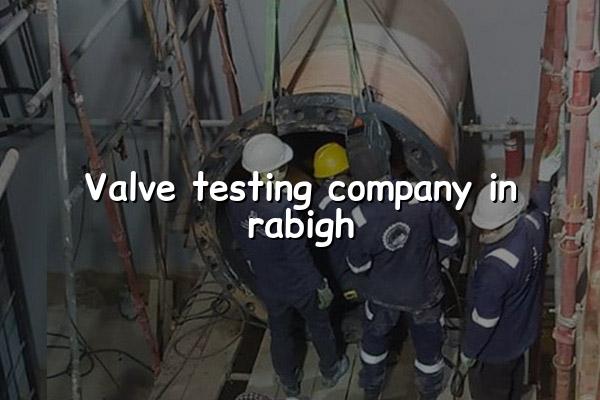
Valve testing company in Rabigh services matter when a plant needs proof that isolation valves, control valves and safety-critical lines will hold up before start-up or during a shutdown. We help you check performance, leakage and fit-for-service conditions so your team can keep work moving with less guesswork.
From Rabigh's oil, petrochemical and utility sites to wider Saudi industrial work, our team supports onsite testing with the same traceability clients expect from an ISO/IEC 17025:2017 aligned service. We bring mobile-lab capability, practical field experience and clear reporting for maintenance managers, QA teams and commissioning crews.
What a valve testing company in Rabigh should deliver
When you're comparing a valve testing company in Rabigh, don't stop at the phrase on the brochure. You want a team that can handle pressure testing, seat leakage checks, visual inspection, dimensional verification and commissioning support without making the job harder for your field crew. In our work across Saudi Arabia, the best results usually come when testing is planned around the line's condition, the valve type and the shutdown window you actually have.
Where valve testing fits into plant maintenance
Most Rabigh sites ask for valve testing during shutdowns, turnaround work or before re-commissioning. That can include gate valves, globe valves, ball valves, check valves and control valves used on process lines, cooling systems and utility circuits. If the valve is tied to a critical line, the test record needs to be clear enough for operations, inspection and maintenance to sign off without chasing missing data later.
Why the test method has to match the valve
A pressure test is not a one-size-fits-all exercise. Some valves need leak checks under controlled pressure, others need functional checks after installation, and some need both. We also see cases where a valve looks fine externally but fails because of seat wear, actuator issues, gasket problems or poor isolation upstream. That is why our team looks at the full service condition, not just the item on the bench.
- Review the valve data — confirm size, service, pressure class, trim and duty so the test method fits the equipment.
- Prepare the test setup — isolate the valve, verify fittings, choose the right media and check the work area for safe access.
- Run the required checks — carry out pressure, leakage or functional tests and watch for seat seepage, abnormal movement or unstable readings.
- Document the result — record pass or fail findings, observations and next-step actions so your team can act on the report.
- Close out with the maintenance crew — hand over practical notes for repair, replacement, reinstallation or commissioning.
- Ask whether the provider can work onsite in Rabigh and support shutdown schedules.
- Confirm that reports are traceable and easy for QA, inspection and operations teams to use.
- Make sure valve condition is checked before test pressure is applied.
- Look for experience with industrial valves used in oil, petrochemical and power plants.
- Keep spare gaskets, fittings and isolation hardware ready so the crew doesn't lose time on site.
Valve test methods used for Rabigh industrial work
| Test method | What it checks | Typical use case |
|---|---|---|
| Hydrostatic pressure test | Strength and integrity under controlled pressure | Pressure-containing valves before service or after maintenance |
| Seat leakage test | Leak tightness across the sealing faces | Isolation valves, control valves and critical process lines |
| Functional test | Opening, closing and actuation behaviour | Valves with manual, pneumatic or powered operation |
| Visual inspection | Body condition, corrosion, damage and installation issues | Pre-test checks and field acceptance before reinstallation |
Why Rabigh plants care about traceable valve testing
In Rabigh, process safety and uptime are tied together. A valve that leaks or sticks can affect isolation, maintenance permits and start-up timing, so teams usually want more than a verbal check. Traceable testing helps you show what was inspected, what passed and what needs attention before the system goes live again.
What we usually see on real jobs
One common issue is a valve that was stored well but installed badly, with flange alignment or gasket seating causing trouble after the line is pressurised. Another is a valve that looked serviceable until the test exposed seat leakage or actuator movement that had drifted over time. Those are the jobs where a disciplined test record saves a second shutdown.
Built for maintenance and commissioning teams
We support turnaround crews, QA inspectors and commissioning engineers who need practical field decisions, not vague comments. The aim is simple: test the valve properly, record the result clearly and keep the plant moving with less rework.
How we handle valve testing work in Saudi Arabia
Our Saudi team works from Dammam Industrial City 2 and supports industrial clients across the Kingdom, including Rabigh. That matters because many valve jobs are time-sensitive and tied to shutdown access, lift plans, permit windows and operating constraints. We plan the test around the plant, not the other way around.
For valves that need controlled handling, we can pair testing with related mechanical services, inspection checks and calibration support where instruments are involved. If you have gauges, indicators, torque tools or test equipment that should be verified before use, our in-house and mobile calibration capability helps keep the whole job aligned.
What makes a good onsite setup
A good field setup is tidy, safe and easy to verify. That usually means clear isolation, the right adapters, known test media, clean reference instruments and a person on the job who understands the valve's service history. When those pieces are in place, the testing conversation gets a lot simpler.
Where this helps most
We see strong demand from oil and gas, petrochemical, power, construction and manufacturing sites. These operations often need valve checks during planned maintenance, pre-commissioning or corrective work after a fault is found. The faster your team can trust the test result, the faster you can decide whether to return the valve to service, repair it or replace it.
- Onsite testing can reduce handling and transport risks for large or installed valves.
- Clear test records help with handover between maintenance and operations.
- Mobile support is useful when the valve is part of a live industrial system.
- Verification of gauges and tools supports better confidence in the result.
How Mayon Industrial Services Can Help
Mayon Industrial Services supports valve testing with the same field discipline we use across calibration, mechanical services, inspection and commissioning work. If your Rabigh site needs pressure checks, supporting instrument calibration, or a practical team that can work around a shutdown window, we can help you plan the job properly and document it in a way your people can use.
Call +91 99447 80844 (India) or +966 59 633 8012 (Saudi Arabia), email services@mayonservices.com, or message us on WhatsApp.
Frequently Asked Questions
Honestly, the best fit is usually a company that can test onsite, explain the result clearly and work with plant maintenance without slowing the shutdown. For Rabigh jobs, you also want someone familiar with Saudi industrial conditions, field access and the documentation expected by QA and operations teams. That's where practical experience matters more than a long brochure.
Most sites ask for pressure testing, seat leakage checks and functional checks. Depending on the service, you may also need visual inspection, actuator checks or support for commissioning after installation or repair. The exact mix depends on the valve type and the system it serves.
Yes, and for many industrial valves that's the preferred route. Onsite testing reduces handling risk, saves transport time and lets your team see the condition of the valve in its actual operating context. It also makes it easier to coordinate with maintenance, isolation and permit requirements.
Yes. Shutdowns are where valve testing needs to be organised well, because access is limited and the schedule is tight. We work around the plant's window and help your crew get through the test, recording and handover steps without unnecessary friction.
That depends on the leak path, the valve's condition, the service duty and whether the issue is mechanical or related to wear. A good test report should give your team enough evidence to make that call with confidence. If the body is sound and the problem is minor, repair may be enough; if the damage is deeper, replacement is often the safer choice.
Ready to get valve testing sorted in Rabigh?
Send us the valve details, your site location and the work window you have. We'll help you plan a field-ready testing approach that fits your plant.
Contact Mayon