
Valve Testing Company in Zulfi
Onsite valve testing, functional checks and traceable reporting for industrial plants in Zulfi and nearby Saudi sites.
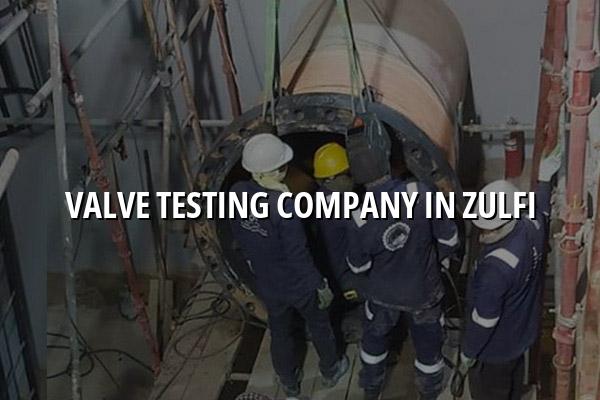
A valve testing company in Zulfi needs to do more than tick a box. We focus on proving that each valve opens, closes, seals and holds under the right conditions, so your maintenance team can trust the result before the line goes back into service.
That matters in Saudi industrial sites where a failed isolation valve or relief valve can stop work, trigger repeat shutdowns, or leave a safety review hanging. Our team brings traceable methods, onsite support and practical reporting for plant, utility and contractor teams that need clear answers, not vague comments.
What a Valve Testing Company in Zulfi Should Prove
When a procurement team searches for a valve testing company in Zulfi, the real question is simple: can that team show the valve is fit for service? For most industrial users, that means confirming shell tightness, seat leakage, stroke movement, actuator response and the condition of the body, trim and connections. We work with valves used in water systems, process lines, utilities and general maintenance shutdowns, where a clean test record helps the next engineer make a safe decision.
Why the test method matters
The method depends on the valve type and service. A gate valve used for isolation does not need the same checks as a control valve, and a relief valve needs a different approach again. In practice, our technicians look at the duty, size, pressure class and installation point first. Then we choose the test setup, isolate the item safely and record what the valve actually does under test pressure or functional movement.
What clients usually ask us to check
Most calls start with a symptom. A valve may leak by slowly, fail to hold pressure, stick during operation or show erratic movement after a shutdown. In Zulfi and nearby Saudi sites, we often see this during planned maintenance on utility skids, tank farms and process support lines. The useful part is not just finding the fault; it's documenting whether the valve can return to service, needs repair, or should be replaced.
- Identify the valve and duty — confirm the tag, size, service fluid and where the valve sits in the line.
- Inspect before testing — look for corrosion, packing wear, damaged handwheels, actuator issues and obvious mechanical damage.
- Set the right test method — use pressure, leakage or functional testing based on the valve type and site requirement.
- Record the result clearly — note pass, fail or repair-needed status with the measured observations and test condition.
- Use traceable test equipment and controlled procedures for dependable results.
- Keep the valve tag, serial number and service location on the report.
- Separate testing for isolation valves, control valves and relief valves.
- Ask for onsite testing when removal would cost too much downtime.
Typical Valve Tests and What They Tell You
| Test Type | What It Checks | Common Site Use |
|---|---|---|
| Shell Pressure Test | Body strength and pressure containment | Isolation and process valves before return to service |
| Seat Leakage Test | Internal sealing at the seat or trim | Valves that must hold tight in shut-off service |
| Functional Stroke Test | Open, close and travel performance | Actuated valves and manual valves with movement issues |
| Relief Valve Test | Set point and discharge behaviour | Pressure protection systems and skids |
Onsite Valve Testing, Safer Shutdowns and Better Maintenance Planning
Many clients in Saudi Arabia prefer onsite valve testing because removing a valve can take longer than the test itself. That is where mobile support helps. If a valve can be assessed in place, we reduce handling, keep the item connected to its system and give maintenance teams a faster route to a decision. When removal is necessary, we can support pickup and delivery for equipment that needs special care.
Built for plant teams, not paperwork alone
We know most plant managers do not want a report that reads like theory. They want a clear result, the method used and enough detail to support the maintenance log or QA file. Our work fits that need well in industrial zones around Al Zulfi, Riyadh region and wider Saudi sites where contractors, owners and operations teams often have to align quickly before a planned shutdown closes.
Practical Support for Shutdown Windows
We handle valves as part of a wider maintenance picture. If you need adjacent calibration, mechanical support, inspection or commissioning help, our team can coordinate the job so the site is not dealing with five vendors for one outage.
How We Approach Valve Testing in a Real Plant
A good test plan starts with the equipment condition and the risk around it. If a valve is part of a critical utility line, we pay more attention to isolation, pressure selection and leak observation. If it is a routine maintenance item, the goal may be to verify movement and sealing before the next run. Either way, the process should stay controlled and repeatable. That is where experience counts, because small details like packing condition, line cleanliness and actuator alignment can change the result.
For clients in the Middle East, traceability matters too. Industrial buyers often ask how the test was carried out, what instrument was used and whether the method fits the service. We keep the answer straightforward. Our work is aligned with ISO/IEC 17025:2017 competence expectations where calibration traceability is involved, and our broader quality approach reflects ISO 9001:2015. That helps engineering teams justify the result when they review the file later.
Frequently Asked Questions
We can support onsite valve testing for many industrial cases in Zulfi and across Saudi Arabia. Onsite work is often the better choice when the valve is large, hard to remove or tied into a live system that needs a controlled shutdown. We first review the valve type and site conditions, then decide whether in-place testing is practical.
It usually includes a visual inspection, a pressure or leakage check, and a functional check for opening and closing movement. For relief valves, the test focus changes to set point and discharge behaviour. The exact scope depends on the service and the valve design, so we never force one method onto every job.
Yes, and that is one of the main reasons clients call us. A stuck or leaking valve often needs a careful pre-check before any pressure is applied. We look for signs of damage, build-up, seal wear and actuator issues, then decide if the valve can be tested safely or should go straight to repair.
We do. The report is written for engineers, QA teams and maintenance leads, so it shows the valve details, the test type and the final result in plain language. That makes it easier to attach to work orders, shutdown records or equipment history files without extra rewriting.
Oil and gas, petrochemical, power, water and manufacturing sites usually need it most often, especially during turnaround and shutdown work. We also see regular demand from utility systems, cold-chain facilities and mechanical contractors working on skids or package equipment. Those sites need dependable shut-off and safe pressure control.
Send us the valve type, quantity, location and the issue you're seeing. If you already have tag numbers or datasheets, share those too. From there, we can suggest the right test approach and arrange the next step through our contact page or a quote request.
Ready to get your valves checked properly?
If you need a dependable result from a valve testing company in Zulfi, talk to our team and we’ll help you plan the test, site access and reporting path.
Contact MayonValve testing should give you confidence, not another item for the punch list. If you need a team that understands plant conditions in Zulfi, the Saudi maintenance cycle and the value of traceable testing, Mayon Industrial Services is ready to help.