
Weighing Scale Calibration Company in Tanajib
Onsite and in-lab weighing scale calibration for Tanajib sites, with traceable results and practical support for operations teams.
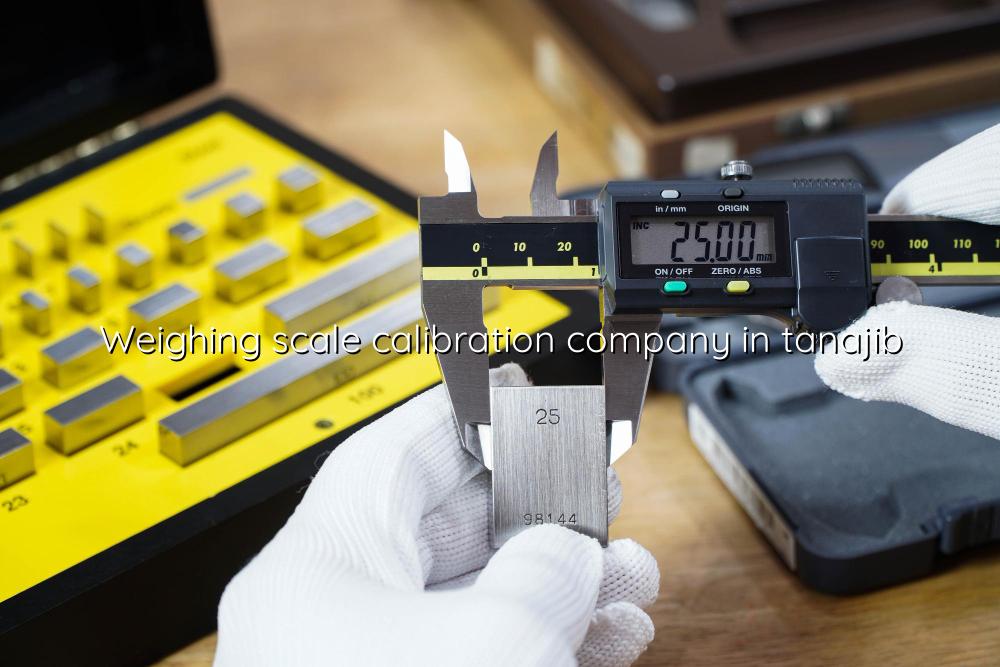
Weighing scale calibration company in Tanajib support matters when your loading, batching, packing, or maintenance work depends on numbers you can trust. We help you keep scales, balances, and weighing systems aligned with traceable calibration so your team can make decisions with less guesswork and fewer shutdown surprises.
From Tanajib-based oil and gas operations to nearby industrial sites handling consumables, spares, and field equipment, our work is built around practical onsite service, mobile-lab capability, and ISO/IEC 17025:2017 discipline. If you need a scale checked in place or brought under controlled conditions, we can help you plan the right route.
What a weighing scale calibration company in Tanajib should cover
In Tanajib, the right calibration partner does more than place a sticker on a scale. You want proper span and linearity checks, attention to repeatability, sensible handling of the load range, and a clear record that your operations or QA team can keep on file. That matters for warehouse weighing, maintenance stores, laboratory balances, pallet scales, bench scales, and heavier platform units used in industrial yards.
Where weighing errors usually start
We often see drift caused by rough handling, uneven floors, overload events, dirt under the pan, battery issues, or a scale that has simply sat too long without verification. In field conditions around Saudi industrial sites, dust, heat, vibration, and frequent movement of equipment can make the problem show up faster than people expect. The scale may still turn on and look fine. The readings just stop being trustworthy.
Why traceability helps your records
Traceable calibration gives your team a defensible position when audits, customer checks, or internal investigations ask where the numbers came from. For many sites, that record is tied to ISO/IEC 17025:2017 expectations for competence and to ISO 9001:2015 quality systems already in place. If your weighing process feeds dispatch, blending, filling, or inventory control, the paperwork matters almost as much as the adjustment.
- Confirm the scale type — we identify whether it is a bench scale, floor scale, precision balance, hanging scale, or a special-purpose industrial unit.
- Check the site conditions — floor level, vibration, airflow, electrical supply, and loading habits all affect the result.
- Apply suitable test weights or references — the method depends on the range and application, not a one-size-fits-all test.
- Record readings across the range — zero, mid-range, and higher loads show whether the scale is stable and repeatable.
- Issue the findings clearly — your team gets the result, any adjustment notes, and a practical view of whether the scale is fit for use.
- Onsite calibration is often the fastest way to keep Tanajib operations moving.
- Mobile calibration works well when equipment is fixed in place or too awkward to move.
- Special-condition instruments can be picked up and delivered when controlled handling is needed.
- Balanced records help maintenance, QA, and procurement teams stay aligned.
Reference points for weighing scale calibration in Tanajib
| Scale type | Typical use | What we check |
|---|---|---|
| Precision balance | Lab samples, small parts, controlled measurements | Zero, repeatability, linearity, display stability |
| Bench scale | Stores, packing, workshop issue counters | Span, corner loading, readability, tare function |
| Floor or platform scale | Drums, cartons, equipment, bulk handling | Load response, platform behaviour, level condition |
| Hanging or crane scale | Suspended loads, field handling, lifting-related work | Indication consistency, hook setup, safe use checks |
Why onsite work often makes more sense
For many Tanajib customers, moving a scale offsite is the slow part. If the unit is installed on a production line, tied to a process, or mounted in a fixed location, onsite calibration saves handling effort and reduces the chance of disturbing the setup. Our mobile calibration lab is a strong fit when the instrument needs controlled attention but should stay near the job.
When pickup and delivery is the better choice
If an instrument needs special conditions, careful packing, or more controlled work than the site can support, pickup and delivery can be the cleaner route. We handle that with the same care you’d expect in a temperature-controlled in-house laboratory. That approach helps when the scale is part of a larger weighing system or when the customer needs extra protection during transport.
Built for active industrial locations
Tanajib sites often work on tight schedules, so we plan around operational windows, permit needs, and access constraints instead of asking you to stop everything for a simple check. That is the difference customers feel when the service team understands field work, not just lab work.
How we handle weighing scale calibration company requests in Tanajib
When a client asks us to support weighing scales in Tanajib, we start with the actual operating picture. That means the scale type, the load profile, the environment, and the risk if a bad reading slips through. A pallet scale in a warehouse has different needs from a small balance used by a QA technician, and a field unit used near a maintenance bay is its own case again.
The details that change the result
We pay attention to the load application pattern, especially corner loading and repeat tests. We also look for signs of instability caused by floor vibration, poor leveling, or installation issues. In practice, the result is often not just a calibration note but a useful service report that helps your team fix the cause of the drift, not keep chasing it.
Where suitable, we can also connect the calibration need to your wider maintenance and QA system. Some sites want the scale checked alongside PAT testing, temperature mapping, inspection of lifting equipment, or general instrument upkeep. That saves coordination time and keeps the paperwork easier to manage across departments.
- Clean the pan or platform before testing so dirt does not distort results.
- Make sure the scale is level and sitting on a stable surface.
- Tell us the application, not just the model number.
- Keep previous records handy if you need comparison over time.
Frequently Asked Questions
Honestly, the best partner is the one that understands your site conditions and gives traceable results, not just a quick check. For industrial work in Tanajib, look for onsite capability, mobile lab support, and experience with scales used in oil and gas, stores, and maintenance areas. That combination saves time and gives your records more value.
Yes, and in many cases that is the cleanest option. Onsite work is useful for fixed installations, heavier platform scales, and equipment that would be awkward to move. It also lets us see the real operating conditions, which often explains the error better than the scale alone.
For our work, the main reference is ISO/IEC 17025:2017 for competence in calibration and testing. Many clients also work within ISO 9001:2015 quality systems, so traceable records help with internal control and audits. We keep the scope within those real standards and do not pad the answer with anything unnecessary.
If the readings drift, the zero is unstable, the scale behaves differently after moving, or the load seems inconsistent from one check to the next, it’s time to review it. We also suggest recalibration after repair, after an overload incident, or when your records show the unit is being used in a demanding environment. In Tanajib, heat and vibration can push the need forward sooner than expected.
Yes, we support industrial customers in oil and gas, petrochemical, power, construction, and related sectors across Saudi Arabia and the Middle East. Tanajib work often needs careful scheduling, practical access planning, and technicians who can work cleanly around active sites. That is exactly how we approach it.
Send the scale model, capacity, location in Tanajib, and what the unit is used for. If you have previous reports, share those too. A short description of the site conditions helps us decide whether onsite work, mobile-lab service, or pickup and delivery is the better fit.
Ready to put your weighing records on firmer ground?
If you need a Tanajib partner for scale checks, traceable records, or onsite industrial support, we’re ready to talk through the job and plan the right approach.
Contact Mayon