
Bolt Tensioning Service Company in Ras Tanura
Onsite bolt tensioning for flanges, pressure systems and shutdown work in Ras Tanura and nearby industrial sites.
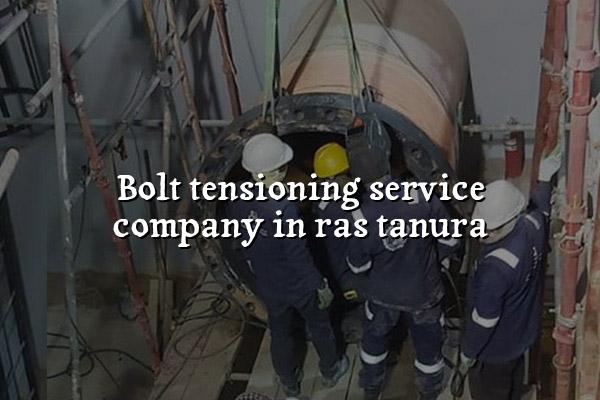
Bolt tensioning service company in Ras Tanura is the phrase people search when a flange joint has to close correctly the first time, without guesswork or uneven load. We help you get controlled bolt load on pressure joints, skids and critical equipment so the connection behaves the way the engineer intended.
In Ras Tanura, where refining and terminal operations depend on disciplined maintenance, the job is rarely just tightening nuts. It’s about joint integrity, correct sequence, traceable records and a crew that understands the pace of Saudi industrial work, especially during turnaround windows and planned shutdowns.
Bolt Tensioning Service Company in Ras Tanura for Flange Integrity
Our bolt tensioning service company in Ras Tanura work is built for flanged piping, exchangers, vessels and pressure systems where a poor bolt pattern can create leaks, rework or delayed start-up. We use a disciplined approach to tensioning so the applied load is even across the joint, which matters on refinery piping, utility lines and packaged equipment that see vibration, temperature swing and repeated maintenance cycles.
Where bolt tensioning fits better than hand tightening
Hand tightening alone can leave one side of the flange carrying more load than the other. That often shows up later as seepage, gasket crush issues or distorted mating faces. Bolt tensioning helps the crew apply a more controlled and repeatable load, which is why maintenance teams in oil and gas, petrochemical and power plants ask for it on critical services rather than leaving the final fit-up to feel and experience alone.
What we look at before the job starts
We check the joint condition, flange face, gasket type, bolt size and the access around the assembly. If the location is crowded, hot or exposed to salt-laden coastal air, the setup matters even more. Ras Tanura sites can throw practical problems at the crew, from tight pipe racks to live plant restrictions, so we plan the work around the actual joint instead of forcing a generic method onto it.
- Review the joint — confirm flange condition, bolt condition, gasket selection and any visible damage before tools come out.
- Prepare the assembly — clean the faces, check alignment and make sure the tensioning sequence is clear to the team.
- Apply controlled load — tension the studs in a planned pattern so the clamp load builds evenly across the joint.
- Verify and record — confirm the final condition, note the job details and keep the record available for maintenance files or shutdown close-out.
- Use a tensioning method on joints where even load matters more than speed.
- Keep the bolt pattern and sequence visible to the crew before the first pass.
- Inspect for flange damage, corrosion and thread condition before acceptance.
- Match the tool setup to the bolt size, access and plant restrictions.
- Retain job notes for shutdown dossiers, handover files and maintenance history.
When Does Bolt Tensioning Make Sense On Site?
| Job condition | Why it matters | Typical site use |
|---|---|---|
| Critical flange on pressure service | Even clamp load helps protect sealing performance | Process piping, exchangers and vessels |
| Tight access around the joint | Controlled sequence is easier to manage than improvised tightening | Pipe racks and congested skid packages |
| Repeat maintenance on the same assembly | Traceable method helps the team keep the same standard every time | Shutdown and turnaround work |
| Vibration or thermal cycling | Stable loading matters when the system sees movement and temperature change | Refinery utilities, pumps and rotating equipment connections |
Why Ras Tanura Teams Ask For Controlled Bolt Load
Plant teams don’t ask for tensioning just because it sounds technical. They ask for it when the joint has to hold under pressure, heat, vibration or repeated opening and closing. In Ras Tanura, that often means refinery runs, marine-exposed equipment and maintenance scopes where a leak can disrupt more than one crew. A controlled method helps reduce the kind of uneven load that later shows up as follow-up work.
Records help during shutdown close-out
Good bolting work is easier to defend when the job notes are clear. If a supervisor, QA engineer or maintenance lead needs to check what was done, the sequence, joint condition and final handover details should be there. That is the habit we bring to site work, and it fits the way industrial plants in Saudi Arabia usually handle critical maintenance files.
Built Around Real Plant Conditions
We work around live plant constraints, turnaround pressure and the practical problems that come with coastal industrial sites. That includes access limitations, corrosion-prone environments and the need for disciplined handover after the joint is complete.
What Our Bolting Team Can Support Around Ras Tanura
Flanges
Controlled bolt loading on process flanges, equipment nozzles and utility connections.
Shutdown Work
Planned support during maintenance windows where sequence and timing both matter.
Plant Maintenance
Repeat jobs on the same assemblies where a documented method keeps the team aligned.
Related Engineering
We can coordinate with flange work, hydrotesting, inspection and commissioning scopes.
How Mayon Industrial Services Can Help
We support bolt tensioning alongside our mechanical services, flange work, testing and commissioning, inspection and calibration support, so you’re not chasing three different contractors for one maintenance scope. If your Ras Tanura job needs controlled bolting, job planning and a team that understands industrial shutdown work, we can help you sort the scope before the first joint is opened.
Call +91 99447 80844 (India) or +966 59 633 8012 (Saudi Arabia), email services@mayonservices.com, or message us on WhatsApp.
Frequently Asked Questions
We do, for industrial sites that need controlled bolting on flanges and pressure joints. The work is best handled by a team that understands access limits, shutdown pressure and the need for clear records after the job is closed.
For critical joints, yes, it usually gives better load control than manual tightening alone. The main point is evenness across the joint, which helps when the flange is exposed to pressure, heat or repeated maintenance cycles.
Yes. We support industrial shutdown and maintenance scopes in Saudi Arabia, including Ras Tanura and nearby industrial areas, subject to the site access and job requirements. Our team is used to working with plant schedules, coordination calls and close-out documentation.
Share the flange size, bolt size, gasket type, service fluid, location and any access limits. If you have drawings or a shutdown scope, that helps us plan the right crew and coordinate the work more efficiently.
Yes, we keep the job details documented so maintenance and QA teams can retain them with the rest of the shutdown file. That matters when the same joint comes back into service later and someone needs to review what was done.
Need controlled bolting for a Ras Tanura shutdown?
If the joint matters, the method matters too. Speak with Mayon Industrial Services and keep your flange work, maintenance scope and handover under control.
Contact Mayon