
Bolt Torquing Service Company in Ras Al Khair
Controlled bolt tightening for flanges, skids and critical equipment in Ras Al Khair, with onsite mechanical support and traceable work practices.
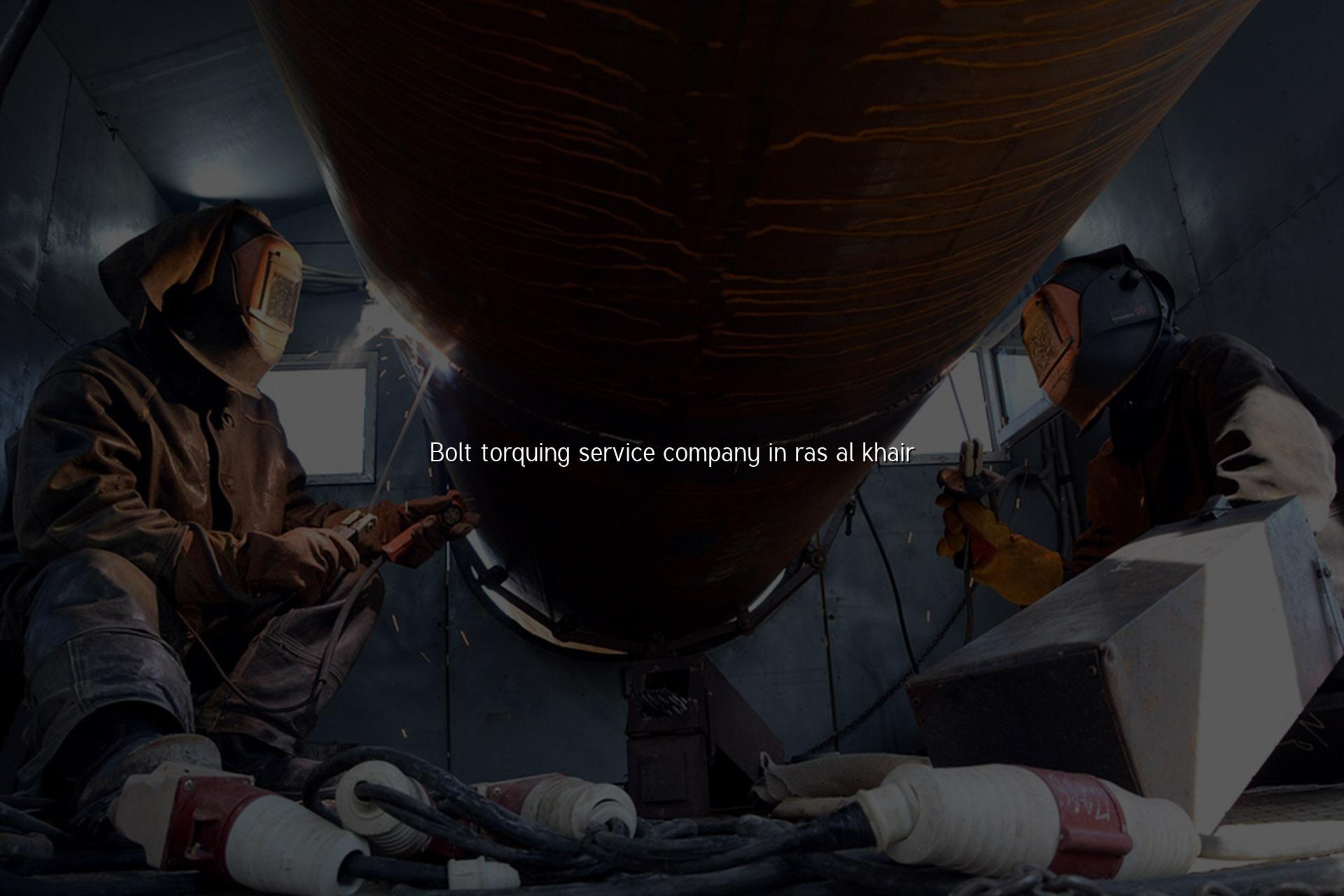
Bolt torquing service company in Ras Al Khair teams are usually called when a flange has to hold pressure, vibration, heat, or all three at once. We help you tighten the right joints the right way, so the work stands up to shutdown checks, commissioning pressure, and later maintenance rounds.
In Ras Al Khair, that means working around plant outages, tank farms, utilities, desalination-linked systems, fabrication yards, and marine or heavy industrial assets where loose or uneven bolting can turn into leaks fast. Our mechanical crews bring field discipline, calibrated tools, and a practical understanding of what supervisors need before equipment goes back online.
Bolt Torquing Service Company in Ras Al Khair for Critical Joints
Good bolt torquing is not just “tight enough.” The joint has to seat evenly, the gasket has to compress correctly, and the load has to be shared across the bolt circle without twisting the flange face. That matters in Ras Al Khair, where process plants and supporting infrastructure often run under demanding operating conditions and maintenance windows are short.
Why controlled tightening matters
When a crew tightens by feel, one bolt usually takes more load than the rest. We see that pattern a lot during outage work and line reinstatement: the flange looks fine from a distance, but the witness marks tell a different story. Controlled torque helps reduce that uneven loading and gives your maintenance team a repeatable method they can defend during handover.
What our field teams focus on
Our approach is simple. We check the joint condition, confirm the fasteners and flange faces are fit for service, then tighten in a planned sequence instead of jumping around the circle. For sensitive jobs, we coordinate with the client’s mechanical and QA teams so the bolting record matches the actual work done on site.
- Inspect the joint first — we look at flange condition, gasket seating, stud condition, and access before any wrench comes out.
- Set the tightening method — we agree the torque sequence, pass pattern, and tool selection based on the joint size and service criticality.
- Apply tightening in stages — the load is brought up gradually so the flange closes evenly and the bolts share tension.
- Verify and record the result — the team checks the completed joint, confirms the final condition, and hands over clear field documentation.
- Use calibrated torque tools for critical flanges, not hand judgment.
- Tighten in the correct star or cross pattern to avoid one-sided loading.
- Recheck fasteners after the initial pass when the job spec calls for it.
- Keep joint preparation clean; damaged faces and poor alignment waste time later.
Common Bolt Torquing Checks for Site Work
| Check point | What the crew looks for | Why it matters |
|---|---|---|
| Flange face condition | Clean, undamaged, and ready for gasket seating | Prevents leak paths and uneven contact |
| Stud and nut condition | Correct thread engagement and no visible damage | Reduces the chance of galling or slippage during tightening |
| Tightening sequence | Star pattern or approved method for the joint | Helps distribute load across the flange evenly |
| Final verification | Visual check, handover notes, and client sign-off where needed | Gives maintenance and QA teams a clear record |
How Controlled Bolt Torquing Supports Safe Restart
Restart work is where bolt quality shows itself. If the flange is still carrying uneven stress, the system may pass a quick visual check and still give trouble later. Controlled torquing supports safe restart by making the joint behaviour more predictable, which is why plant teams in Saudi Arabia often ask for experienced mechanical crews rather than a general labour crew.
Where the service fits in practice
We regularly support rotating equipment skids, pipework around process units, utility connections, and maintenance scopes tied to shutdowns or hook-up work. In each case, the job is not just tightening bolts; it is keeping the joint aligned with the operating conditions it will face once the line is back in service.
Built for plant teams, not guesswork
We work with maintenance supervisors, QA staff, and mechanical coordinators who need the bolting scope done cleanly and documented properly. That saves time during handover, especially when several subcontractors are working the same shutdown block and every hour matters.
Where Ras Al Khair Projects Usually Need Bolt Torquing
Process and utility lines
Pipe flanges on process lines, cooling circuits, and utility headers need even tightening so gasket compression stays stable after start-up and thermal cycling.
Heavy industrial equipment
Skids, pumps, compressors, and support assemblies often need a proper torque sequence after maintenance, alignment work, or component replacement.
Shutdown and turnaround scopes
During planned shutdowns, bolt torquing is often one of the last checks before recommissioning. That makes orderly execution and clear records especially useful.
How Mayon Industrial Services Can Help
If you need a bolt torquing service company in Ras Al Khair, we can support the job with our mechanical services team, field-ready methods, and practical shutdown experience. We also help with flange work, hydrotesting support, testing and commissioning, inspection tasks, and related maintenance scopes when your project needs more than one crew on the same site.
Call +91 99447 80844 (India) or +966 59 633 8012 (Saudi Arabia), email services@mayonservices.com, or message us on WhatsApp.
Frequently Asked Questions
We tighten bolted joints using a controlled method so the flange loads are distributed properly. That includes checking the joint, using the right sequence, and verifying the finished condition before handover. For industrial sites, that is far better than simple “tightening by feel.”
Yes. We support mechanical scopes during shutdowns, turnaround work, and maintenance windows where bolted joints need careful attention. Our team is used to plant coordination, so we fit into larger site plans rather than working in isolation.
The sequence controls how the load comes onto the flange. If one side is tightened too early, the joint can pull unevenly, which affects gasket seating and can lead to leakage later. A planned sequence keeps the load balanced across the full bolt circle.
We do. Depending on the scope, we can support flange work, hydrotesting, bolt tensioning, testing and commissioning, and other mechanical tasks that come up during site maintenance. That helps when the job needs one coordinated team instead of several separate vendors.
You can contact us by phone, WhatsApp, or email, or send a request through the quote form on the website. If you share the site location, joint type, and shutdown timing, our team can review the scope and come back with the right next step.
Ready to keep your bolted joints under control?
Send us the site details and our mechanical team will help you plan the torquing scope with the right tools, sequence, and field coordination.
Contact Mayon