
Calibration Labs Setup Consulting in Arar
Plan a calibration facility in Arar with practical guidance on layout, utilities, workflow and compliance-ready setup.
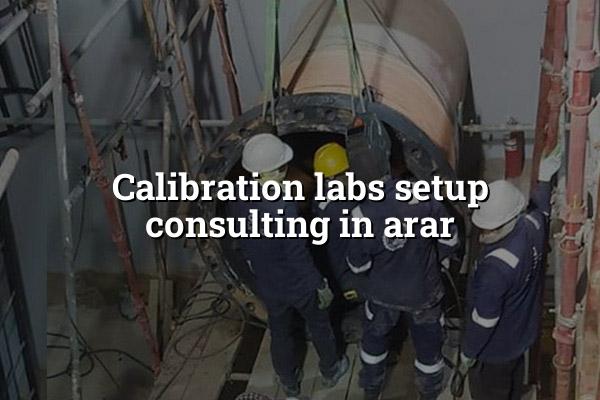
Calibration labs setup consulting in Arar helps you plan a lab that works on day one, not after months of rework. If you're setting up a calibration space for instruments, traceability, workflow and utility loads, we help you shape the layout before you buy the wrong equipment.
We work with industrial teams that need practical lab design in Saudi Arabia and the wider Middle East, especially where oil & gas, power, maintenance and cold-chain operations depend on dependable measurements. From Medavakkam to Dammam Industrial City 2, our team supports projects that need ISO/IEC 17025 thinking from the start.
What calibration labs setup consulting in Arar should cover
When clients ask for calibration labs setup consulting in Arar, they usually want a lab that can handle real workloads without chaos at the bench. That means choosing the right room size, segregating dirty and clean work, placing benches and reference standards sensibly, and planning for temperature control, power stability, compressed air and storage. In our experience, the projects that go smoother are the ones that treat the lab as a working system, not just a room with instruments.
Start with the scope and discipline mix
A lab for pressure and temperature work needs a very different footprint from a lab focused on electrical, mass, torque or dimensional calibration. We usually begin by matching the intended service range to the equipment list, the likely instrument throughput and the level of environmental control you need. For ISO/IEC 17025-oriented planning, the space should support traceability, safe handling, and clear identification of reference standards and customer items.
Design the flow before the fit-out
The best laboratories in Saudi Arabia and India are built around flow: receiving, inspection, stabilization, calibration, review, packing and dispatch. If you get that sequence right, technicians waste less time carrying items back and forth. It also reduces mix-ups, which is where many first-time lab owners get into trouble. We’ve seen simple changes, like separating incoming instruments from finished jobs, make a big difference in day-to-day control.
- Define the service scope — list the calibration disciplines, test ranges and industries you want to serve, such as oil & gas, healthcare or manufacturing.
- Map the room layout — place benches, storage, reference equipment and customer-item holding areas so people can move without crossing tasks.
- Review utilities early — check power quality, earthing, lighting, HVAC, gas lines, water, air and any special isolation needs before fit-out begins.
- Build the quality system around the space — document receipt, labeling, environmental checks, traceability and review so the lab is ready for controlled work.
- Plan for a temperature-controlled area if you're handling sensitive standards or thermal work.
- Separate customer instruments from reference equipment and spares.
- Keep a clear path for incoming items, especially if you offer pick-up and delivery.
- Allow room for future growth; most labs outgrow their first layout faster than expected.
Reference points for a new calibration laboratory
| Planning Area | What to Check | Why It Matters |
|---|---|---|
| Space zoning | Reception, testing, storage and dispatch should be distinct | Prevents cross-handling and keeps work moving cleanly |
| Environmental control | Temperature, dust control and stability suitable to the discipline mix | Supports consistent readings and safer storage of standards |
| Utilities | Power, earthing, compressed air, gas and water requirements | Avoids rework after equipment arrives |
| Traceability | Reference standards, records and identification system | Helps the lab operate in an ISO/IEC 17025-ready manner |
Why a good lab layout saves time later
A well-planned calibration lab is easier to train, easier to audit and less tiring for technicians. That matters in places like Arar, Dammam and the industrial corridors that support Saudi projects, where teams often need dependable turnaround without compromising documentation. If the room is cramped, if the bench heights are wrong or if the environmental control is weak, the lab feels it every single day.
What we usually see in first-time setups
Some owners buy the equipment first and ask questions later. That usually leads to a storage problem, poor bench arrangement or a utility gap that becomes expensive to fix. We prefer to work the other way around: understand the service need, design the process, then size the equipment and room around that plan.
Built for real industrial use
We design labs for maintenance teams, QA departments and service providers who need a practical space that can support pressure, electrical, mechanical, thermal and dimensional work without constant interruptions.
How Mayon Industrial Services Can Help
We support calibration lab projects with layout planning, equipment selection input, workflow design and practical setup advice based on real industrial work. Our team also helps with calibration services, lab design, mechanical services, inspection, orbital welding and training, so you can keep the project moving without juggling five different contractors.
Call +91 99447 80844 (India) or +966 59 633 8012 (Saudi Arabia), email services@mayonservices.com, or message us on WhatsApp.
Frequently Asked Questions
It usually starts with the lab scope, the expected instrument list and the space you have available. After that, we look at utilities, bench layout, storage, workflow, environmental conditions and the basic documentation structure needed for controlled work. If the project needs it, we also discuss pick-up and delivery, so sensitive items can be handled properly.
Start with the disciplines you want to offer, then divide the room into receiving, calibration, review and dispatch areas. Keep traceability, reference standards and customer items clearly separated. For many setups, the layout matters as much as the equipment list because a poor flow creates errors that no certificate can fix.
At minimum, you should review power quality, earthing, lighting, HVAC, compressed air and any special requirements for the instruments you plan to use. Some labs also need temperature stability or controlled storage areas for standards. The sooner those points are checked, the less likely you are to face expensive changes after the fit-out is complete.
Yes, we can help plan mixed-discipline labs, including pressure, electrical, mechanical, thermal and dimensional work. We look at how each discipline affects the others, especially in terms of cleanliness, bench space, access to standards and test conditions. That way, the lab doesn't work well for one task and badly for the rest.
We support clients in India, Saudi Arabia and the wider Middle East. Our head office is in Medavakkam, Chennai, and we also operate through Dammam Industrial City 2 for Saudi projects. That gives us a practical base for customers who need on-ground support in either market.
Ready to plan your calibration lab the right way?
If you need clear lab planning, equipment guidance and a setup that fits the work you actually do, we’re ready to help.
Contact MayonGood lab setup work saves time, reduces avoidable mistakes and makes later audits easier to handle. If you're planning a new facility in Arar or improving an existing one, Mayon Industrial Services can help you build it with the right structure from the start.