
Calibration Labs Setup Consulting in Duba
Plan a calibration lab that supports traceability, workflow, and real-world testing needs from day one.
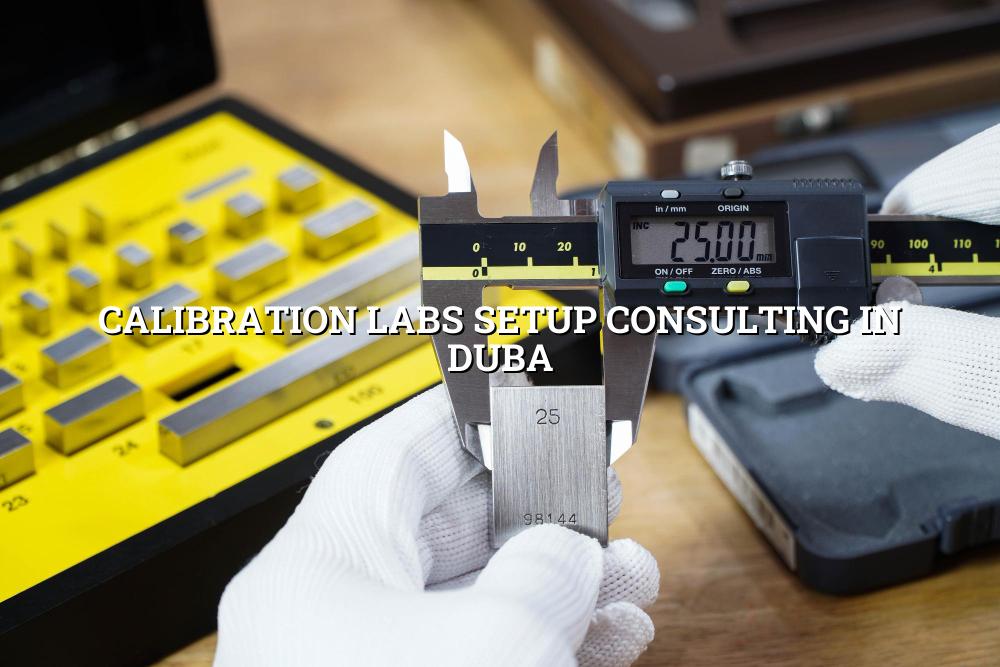
Calibration labs setup consulting in Duba helps you turn an empty room, shell space, or underused workshop area into a lab that actually works under load. If you're planning a new facility, expanding in the GCC, or fixing a layout that never ran well, this page gives you the practical steps, standards, and choices that matter before you buy benches, instruments, or utilities.
We work with clients across India, Saudi Arabia, and the Middle East who need ISO/IEC 17025-aligned planning, clear workflow, and room for traceable equipment control. In our experience, the early decisions around zoning, environment, and instrument flow are the ones that save the most trouble later, especially in calibration labs serving oil & gas, power, manufacturing, and cold-chain operations.
Calibration labs setup consulting in Duba for new and existing sites
A proper calibration lab is more than a room with instruments. You need controlled temperature where required, stable power, safe benches, clean storage, calibration reference segregation, and a layout that keeps incoming jobs, active tests, and released instruments from crossing paths. For ISO/IEC 17025:2017 work, the physical setup should support competence, traceability, and repeatable measurements from the first day of operation.
What a good lab layout should solve
We usually start by mapping the services you want to offer, because the space design changes a lot between pressure calibration, electrical calibration, mechanical work, thermal work, and biomedical instruments. A pressure area may need safety spacing and manifold access, while a temperature lab may need better environmental control and storage discipline. If you plan to serve industrial clients in Dubai, Sharjah, Abu Dhabi, or across the wider GCC, the workflow also has to support pickup, onsite work, and mobile-lab dispatch without mixing up instruments.
Why the utilities matter as much as the room
Many lab projects look fine on paper and then struggle because the utilities were treated as an afterthought. Stable electrical supply, compressed air where needed, proper earthing, drainage planning, lighting, and bench loading all affect day-to-day work. For labs handling thermal baths, dead weight testers, comparators, or vibration-related equipment, the services around the room can make the difference between smooth commissioning and repeated rework.
- Define the service scope — list every discipline you want in the lab, such as electro-technical, pressure, thermal, mechanical, or mass calibration.
- Check the site conditions — review floor loading, power availability, ventilation, access routes, storage, and space for incoming and outgoing instruments.
- Design the workflow — separate receiving, test, release, quarantine, and reference storage so technicians can work without confusion.
- Plan the controls — add the environmental monitoring, benches, safety items, and document control needed to support ISO/IEC 17025:2017 practices.
- Commission and verify — install equipment, test utilities, check calibration readiness, and walk the team through daily operation before live work starts.
- Keep receiving and release counters away from active test benches.
- Reserve a separate area for reference standards and master instruments.
- Plan cable routes and power points before benches are fixed in place.
- Include storage for tags, seals, labels, and certificate packs.
- Leave enough aisle space for movement of trolleys, cases, and packed instruments.
Reference checklist for a calibration lab setup project
| Area | What to check | Why it matters |
|---|---|---|
| Room zoning | Receiving, testing, storage, release, and quarantine areas | Prevents mix-ups and keeps instrument flow clean |
| Environment | Temperature control, ventilation, dust control, and monitoring | Supports stable measurements and repeatable results |
| Utilities | Power, earthing, compressed air, drainage, lighting, and bench access | Reduces downtime and avoids unsafe workarounds |
| Document control | Forms, logs, labels, calibration status, and release records | Helps the lab stay traceable under ISO/IEC 17025:2017 |
What ISO/IEC 17025-ready planning looks like in practice
Good consulting doesn't begin with furniture. It begins with competence, traceability, and the measurement range you want to support. For a lab serving Dubai and nearby industrial zones, we look at reference equipment, acceptance pathways, uncertainty considerations, and the physical separation needed for sensitive work. Where the scope calls for it, ISO 9001:2015 processes can also shape document discipline, purchasing, and management review.
Keep the lab easy to run on busy days
Most lab teams don't struggle on quiet days. The problems show up when instruments arrive in batches, a client asks for onsite support, or the team has to handle several disciplines at once. A well-planned lab gives technicians clear movement, visible status control, and enough space to work without stacking cases in walkways or borrowing benches from another area.
Turnkey support from layout to commissioning
We help clients shape the space, identify what equipment belongs where, and plan the setup so the lab can support electro-technical, pressure, thermal, and mechanical disciplines without fighting the room every day.
Common design choices that change the final result
First, decide whether the lab will stay purely in-house or support external customers from day one. That changes your reception counter, parking access, certificate handling, and instrument tracking. It also affects how you arrange pickup and delivery for instruments that need special handling or controlled transport.
Second, choose equipment with the service mix in mind. A site focused on pressure and mechanical testing has different bench, storage, and safety requirements from a lab heavy in thermal and biomedical work. If you try to make one room do everything, the workflow gets messy quickly.
Third, think about the team that will run the place. Engineers and technicians need practical access to instruments, files, and reference items. A lab that looks polished but slows the technicians down is usually the one that gets reworked six months later.
How Mayon Industrial Services Can Help
We support calibration lab planning from the first layout discussion through setup, commissioning, and practical handover. Our team brings experience in ISO/IEC 17025:2017 calibration, mechanical services, inspection, orbital welding, lab design, and training, so we can look at the whole operation instead of just one room. If you need a lab that serves industrial clients in Dubai, Saudi Arabia, or the wider Middle East, we can help you plan it with less guesswork.
Call +91 99447 80844 (India) or +966 59 633 8012 (Saudi Arabia), email services@mayonservices.com, or message us on WhatsApp.
Frequently Asked Questions
Start with the service scope, the size of the space, and the type of clients you want to support. Once that's clear, you can plan the utilities, environmental control, storage, and instrument flow with much less rework. We usually advise clients to define the measurement disciplines first, because that drives almost every other decision.
It shapes the way you separate work areas, store references, control records, and manage traceability. The lab needs to support competent measurement practice, not just hold equipment. That usually means better zoning, clearer document control, and enough space for routine checks and review.
Yes, but only if the layout is planned for it. Each discipline brings different space, safety, storage, and environmental needs. We've seen mixed-discipline labs work well when the workflow is separated properly and the utilities are sized for the heaviest use case.
Yes. We can help check the setup, verify the workflow, review the practical placement of equipment, and make sure the space is ready for real work. That part matters because a lab can look finished and still be awkward to run until the team tests it in practice.
Honestly, yes. Our mobile calibration lab helps when you need onsite work, temporary support, or a practical bridge while the new facility is being prepared. It also helps clients keep production equipment moving while the permanent lab is being finalized.
Ready to plan a lab that works on the floor, not just on drawings?
If you're setting up or reorganizing a calibration lab, we can help you make the space practical, traceable, and ready for daily industrial use.
Contact Mayon