
Calibration Labs Setup Consulting in Jeddah
Plan a calibration lab that fits your instruments, workflow and compliance needs in Jeddah and the wider Western Province.
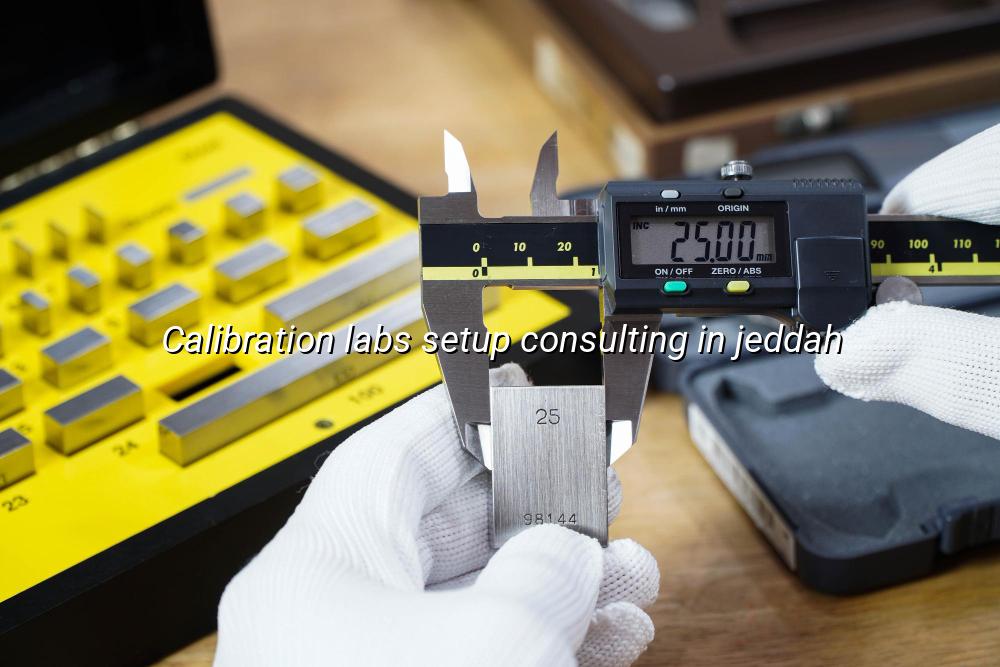
Calibration labs setup consulting in Jeddah helps you turn a room, warehouse corner, or full industrial unit into a lab that actually works for your instruments, your staff, and your audit trail. If you need a calibration space that supports ISO/IEC 17025:2017 discipline from day one, we help you plan it with less guesswork and fewer expensive reworks.
We work with companies in Jeddah, Dammam, and the wider Saudi market where calibration traceability, space control, and practical instrument flow matter every day. Our team has spent years around temperature-controlled labs, mobile calibration vans, and industrial sites, so we know what causes bottlenecks before they happen.
Calibration Labs Setup Consulting in Jeddah for Practical Results
A good calibration lab is not just a room with benches and a few standards on the shelf. It needs stable power, controlled temperature, clean zoning, proper storage for reference instruments, and a workflow that keeps incoming equipment, checking, calibration, tagging, and dispatch separate enough to avoid mistakes. In our experience, the first pain point is usually not the equipment list; it is the floor plan and how people move through the space.
What a Jeddah calibration lab must get right
Jeddah clients often need a lab that can serve industrial maintenance teams, cold-chain operators, healthcare sites, and manufacturing plants without losing control of traceability. We look at the instruments you plan to handle, the range of environmental conditions you need to maintain, and how often the lab will support onsite work through a mobile calibration unit. That mix changes the design every time.
Why planning matters before you buy equipment
It’s easy to purchase a pressure standard, a temperature bath, or a balance and only later discover the room can’t support it properly. We’ve seen labs run into problems with power quality, poor bench heights, awkward cable routing, and no clear quarantine area for out-of-tolerance items. A little planning at the start saves you from moving the whole setup six months later.
- Define the scope first — list the disciplines you want to cover, such as electrical, pressure, thermal, mass, torque, or dimensional calibration.
- Map the workflow — separate receiving, pre-check, calibration, verification, labeling, and return packing so instruments don’t cross paths.
- Set environmental controls — decide what temperature stability, cleanliness, and lighting level the room needs for the work you do.
- Choose the reference set — match standards and benches to the measurement range you really need, not what looks impressive in a catalog.
- Keep receiving and dispatch desks separate from calibration benches.
- Reserve space for quarantine of failed or suspect instruments.
- Plan temperature control around the most sensitive discipline in the lab.
- Leave room for future expansion, especially if you’ll add mobile-lab support.
Typical Planning Areas for a Calibration Lab in Jeddah
| Planning Area | What to Check | Why It Matters |
|---|---|---|
| Room Layout | Bench spacing, storage, access paths, and quarantine area | Prevents cross-contamination and keeps the workflow clear |
| Environmental Control | Temperature stability, ventilation, dust control, and lighting | Supports repeatable results for sensitive measurements |
| Utilities | Power quality, earthing, compressed air, and network points | Helps avoid interruptions and protects reference equipment |
| Traceability | Reference standards, calibration records, and label control | Supports ISO/IEC 17025:2017-ready operation and audit confidence |
How we shape a lab for ISO/IEC 17025:2017 work
When a client asks us for calibration labs setup consulting in Jeddah, we start with the basics that auditors and technical managers actually inspect: documented flow, reference protection, responsibility lines, and stable conditions for the measurements you offer. If your lab also needs to support periodic onsite work, we plan a bridge between the fixed lab and the mobile unit so jobs don’t get trapped in the wrong place.
Practical points that save time later
We usually recommend a setup that keeps sensitive standards away from vibration, direct sunlight, and busy traffic zones. For many Saudi and GCC clients, the real challenge is not the calibration method itself; it’s keeping the room consistent when the site is busy, loading bays are active, and multiple teams are sharing nearby services.
Built for Industrial Use
We design around real sectors such as oil & gas, petrochemical, power, healthcare, cold chain, food & beverage, manufacturing, and engineering. That means the lab has to support traceable work, safe handling, and a flow that your technicians can keep using after the handover.
What our lab consulting process usually covers
Scope and instrument mapping
We list the instrument types, ranges, and future service lines you want the lab to handle, then size the benches, storage, and reference assets around that scope.
Utilities and layout checks
We review power, earthing, space, airflow, and equipment positioning so the room supports the work instead of fighting it every day.
Process and documentation setup
We help you think through receiving logs, calibration records, label control, and the checks that keep the lab disciplined after opening.
How Mayon Industrial Services Can Help
We don’t just talk about lab setup on paper. We work across calibration, mechanical services, inspection, orbital welding, and lab design, so we can look at your project the way your operations team will actually use it. If you’re setting up in Jeddah, we can help you build a practical calibration space, connect it with mobile-lab support, and keep the design grounded in ISO/IEC 17025:2017 expectations.
Call +91 99447 80844 (India) or +966 59 633 8012 (Saudi Arabia), email services@mayonservices.com, or message us on WhatsApp.
Frequently Asked Questions
Start with the scope. If you know which instruments you’ll handle, the room design becomes much clearer. We normally work through layout, environmental control, utilities, reference equipment, and the operating flow before anything is purchased, because that avoids expensive changes later.
For calibration and testing competence, ISO/IEC 17025:2017 is the key reference we work around. Depending on the site, ISO 9001:2015 may also shape the quality system, while EURAMET CG-15 can guide electrical calibration practice. For lifting-related inspection work, BS EN standards are the relevant reference.
Yes, and in many Saudi projects that’s the smartest setup. The fixed lab can handle controlled work and storage, while the mobile calibration unit covers plant shutdowns, site instruments, and urgent visits. The trick is to design the flow so jobs can move between the two without getting mixed up.
We most often see interest from oil & gas, petrochemical, power, manufacturing, healthcare, pharmaceutical, cold chain, and food & beverage teams. Those sectors depend on traceable measurements, and they usually want the lab to support both routine work and plant-side requirements.
Yes. We can support the layout concept, utilities review, workflow planning, and the practical side of getting the space ready for service. If the project also includes instruments, products, or related mechanical work, we can align those pieces too so the handover makes sense for your team.
Ready to plan a lab that fits your work?
If you need calibration labs setup consulting in Jeddah, we’ll help you shape the room, the workflow, and the operating controls with a practical industrial mindset.
Contact MayonA well-planned calibration lab gives your team cleaner workflows, better control, and fewer surprises when the work gets busy. If you want a setup that suits Jeddah operations and still feels manageable months after opening, Mayon Industrial Services is ready to help.