
Calibration Labs Setup Consulting in Mecca
Plan a calibration lab that fits real instruments, real workflows and the traceability your customers expect in Saudi Arabia.
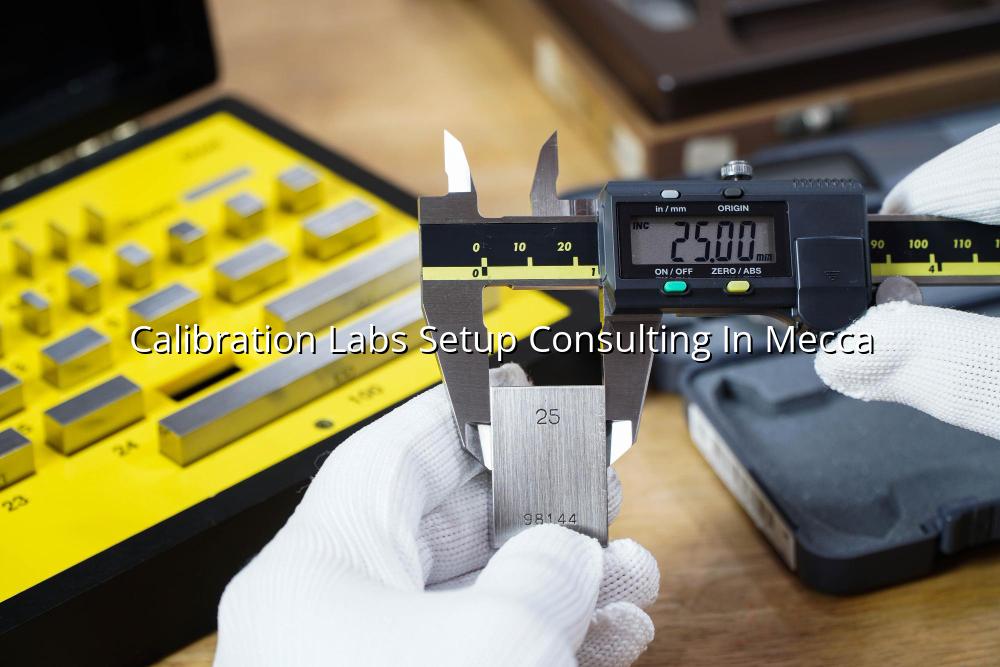
Calibration labs setup consulting in Mecca helps you plan a lab that can actually support daily work, not just look good on paper. We help you decide the room flow, equipment list, environmental controls and traceability needs so the lab is ready for real instruments, real audits and real production pressure.
For industrial clients in Saudi Arabia, the details matter. A pressure lab, a thermal lab or a mixed calibration facility all need the right space, the right workflow and the right documentation path, especially when the end users expect ISO/IEC 17025 discipline and dependable onsite support.
Calibration Labs Setup Consulting in Mecca for Working Facilities
A good calibration lab starts with a clear scope. If you're building around electrical, pressure, dimensional, thermal or mass instruments, the lab layout has to support clean movement, controlled storage, safe handling and easy verification. We see a lot of projects in Saudi industrial zones where the room is available, but the workflow is still wrong. That usually shows up later as clutter, mixed instrument paths and avoidable delays during calibration, repair or receiving.
What the setup needs before equipment arrives
Before a single bath, comparator or reference standard lands on site, the basics need to be fixed. That means utilities, temperature control, bench loading, lighting, dust control, access for delivery, and a receiving area for instruments that need special handling. If your lab will serve oil and gas, petrochemical, power or cold-chain clients, the intake process matters just as much as the test benches.
Why the workflow matters more than a long equipment list
We often find that teams buy equipment first and think about the path later. It's the wrong order. A lab that handles 5,000+ instruments over time needs logical separation between incoming items, active calibration work, quarantine, traceable storage and dispatch. That keeps the team efficient and reduces the chance of mix-ups, especially when you’re managing pressure devices, temperature references or biomedical instruments with different handling rules.
- Define the service scope — choose which disciplines the lab will handle now, then map the growth plan for the next phase.
- Review the space and utilities — check floor loading, power supply, humidity control, ventilation, compressed air and bench placement.
- Build the workflow — separate receiving, calibration, verification, storage and dispatch so instruments move in one direction.
- Select the reference set — match equipment to the discipline mix, client load and traceability needs instead of buying by catalogue alone.
- Commission and validate — install, test, document and train the team before the first customer job is accepted.
- Start with the lab scope, not the furniture order.
- Keep incoming instruments separate from active work.
- Plan for controlled storage of standards and customer items.
- Make room for pickup, delivery and mobile-lab support.
- Document the traceability chain from day one.
Common Calibration Lab Areas and What They Need
| Lab Area | Main Requirement | Typical Setup Focus |
|---|---|---|
| Pressure calibration | Stable benches and safe pressure handling | Comparators, dead weight testers, manifolds and clear test flow |
| Thermal calibration | Controlled environment and storage discipline | Baths, chambers, temperature references and thermal mapping support |
| Electrical calibration | Traceable references and organised test zones | Low-voltage, current and relay-related instrumentation with proper segregation |
| Dimensional and mechanical | Clean handling and accurate reference storage | Gauge blocks, tools, fixtures and protected inspection space |
What Clients Ask for in Mecca and Across Saudi Arabia
Most clients in Mecca, Jeddah, Dammam and the wider GCC want the same thing: a lab that can support audits, produce clear records and stay stable over time. ISO/IEC 17025:2017 shapes the competence model, while ISO 9001:2015 supports the wider quality system. For lifting and inspection related work, BS EN standards matter, and electrical calibration often needs EURAMET CG-15 awareness.
Why local industry usually asks for mobile support too
In our experience, the second question is always about onsite work. That's normal. A calibration lab in Mecca may need to serve plant shutdowns, field commissioning, cold stores or instruments that should not be moved far from site. A mobile calibration lab and pick-up/delivery options make the setup more useful, especially when you support factories, warehouses or healthcare sites with limited downtime windows.
Built for Real Industrial Loads
A well-planned lab doesn't stop at calibration benches. It also needs receipt control, reference storage, a safe path for nonconforming items, and enough space for maintenance, repair and final checks. That matters if you're supporting oil and gas, petrochemical, power, manufacturing or cold-chain operations where traceability and clean records carry real weight.
How Mayon Industrial Services Can Help
We help you shape the lab from the first sketch through installation, commissioning and team handover. Our work can cover calibration disciplines, mechanical support, inspection planning, orbital welding, laboratory setup and training, so you get one practical route instead of stitching together several vendors. If you're setting up in Mecca or extending a Saudi facility, we can help you make the space usable, traceable and easier to operate.
Call +91 99447 80844 (India) or +966 59 633 8012 (Saudi Arabia), email services@mayonservices.com, or message us on WhatsApp.
Frequently Asked Questions
Start with the scope, room layout, utilities and reference equipment list. A workable setup usually includes intake and dispatch space, controlled storage, bench areas, documentation control and a clear plan for calibration disciplines like pressure, electrical, thermal or dimensional work.
Plan the workflow first, then place the equipment around it. You want clean movement from receipt to test to storage to release, with separate handling for customer items, standards and nonconforming instruments. That structure makes audits easier and keeps the day-to-day work calmer.
Yes. A lot of clients need a fixed laboratory plus mobile support for onsite jobs, shutdowns or instruments that need special handling. We plan both sides together so the lab and the field team follow the same traceability and documentation approach.
We usually hear from oil and gas, petrochemical, power, manufacturing, healthcare, pharmaceutical and cold-chain teams. They need traceable records, disciplined handling and a lab layout that supports steady work instead of ad hoc movement.
No, and that's where many projects go wrong. Design should come first, because the room size, utilities and workflow shape the equipment list. Once that is clear, you can choose standards and tools that fit the scope instead of filling the room with items you may not need.
Ready to plan a lab that works on day one?
If you're setting up calibration capacity in Mecca or expanding a Saudi industrial facility, we can help you build the space, the workflow and the documentation path.
Contact MayonA calibration lab setup should make work easier, not harder. If you need practical consulting for Mecca or anywhere in Saudi Arabia, Mayon Industrial Services can help you design a facility that supports traceability, clean operation and future growth without unnecessary noise.