
Calibration Training in Tanajib
Practical training for technicians who need better calibration records, safer instruments, and stronger field decisions.
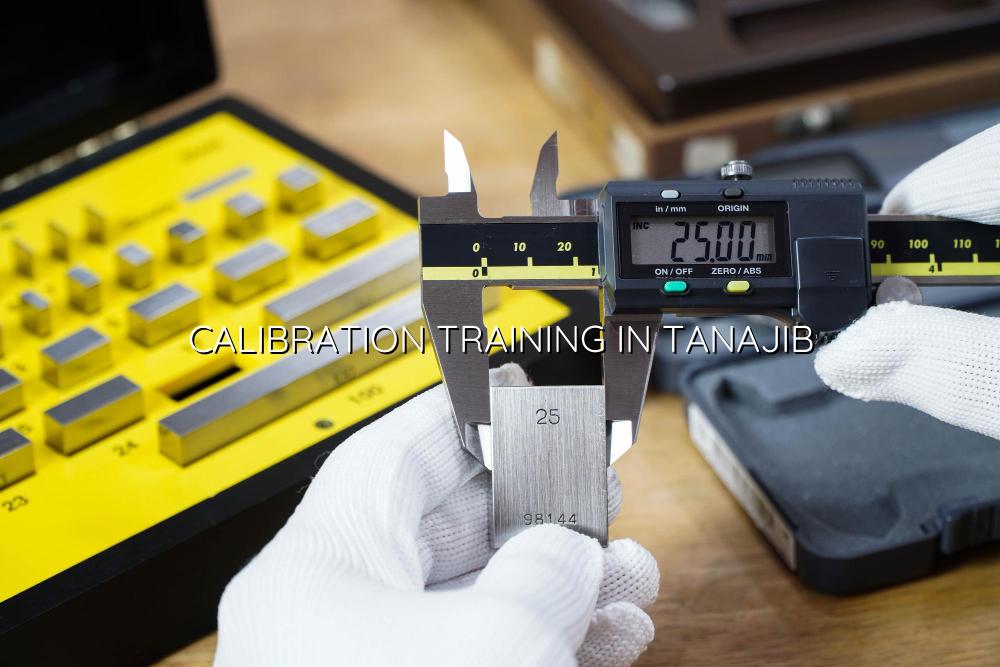
Calibration training in Tanajib gives your technicians the practical habits they need to handle instruments properly, read results with confidence, and keep records that stand up to audits. If your team supports oil and gas work near the Eastern Province, this page shows what the training should cover and how it helps day to day.
We work with maintenance crews, QA teams, and supervisors who need more than theory. They need field-ready skills for gauges, meters, temperature tools, and test equipment, plus a clear link between what happens in the workshop and what happens on site.
Why Calibration Training in Tanajib Matters
Calibration training in Tanajib is usually requested when a plant team starts seeing the same problems again and again: instruments come back with weak records, the wrong range is used for the job, or a good device is treated as if it were ready to use without checking drift, condition, or traceability. In our experience, the people who benefit most are the ones handling pressure gauges, temperature probes, multimeters, torque tools, and portable test sets across oil and gas, construction, and maintenance work.
What technicians should learn first
We usually begin with the basics of instrument care, because that is where many errors start. Clean handling, correct storage, zero checks, environmental awareness, and a simple understanding of tolerance all make a difference. A technician who knows why a pressure gauge should not be dropped, or why a temperature probe needs to settle before reading, already makes fewer mistakes.
How the workshop connects to real work
The best sessions are practical. People respond well when the examples are tied to actual plant tasks, like verifying a transmitter before shutdown work, checking a thermometer before a cold-room inspection, or confirming a torque wrench before flange assembly. We keep the discussion close to the work the team already does, because that is how the knowledge sticks.
- Start with a tool map — list the instruments your team uses, where they are used, and which ones need traceable calibration.
- Check handling habits — show the team how storage, transport, and daily checks affect accuracy before any measurement happens.
- Review the calibration record — explain what an ID, due date, range, and result really mean on a certificate or logbook.
- Practice field decisions — use a few real examples so technicians know when to use an instrument, when to isolate it, and when to send it for service.
- Train the team on the exact instrument ranges used in Tanajib site work, not just general lab examples.
- Include a short session on traceability and why ISO/IEC 17025 records matter during audits.
- Show how to spot damage, seal failure, label issues, and missing identification before a device enters service.
- Use the same forms, IDs, and logbook style the maintenance team will actually keep using after training.
Training Topics, Common Errors, and Practical Outcomes
| Topic | What the team learns | Typical field benefit |
|---|---|---|
| Instrument handling | How to store, carry, clean, and protect devices before use | Fewer damage-related failures and less avoidable drift |
| Basic calibration records | Reading ranges, IDs, dates, and results correctly | Cleaner logs and fewer questions during audits |
| Measurement checks | Zero checks, repeat readings, and simple comparison methods | Better confidence before equipment is put back in service |
| Traceability awareness | Why linked standards and documented results matter | Stronger quality control for ISO/IEC 17025 aligned work |
What Makes a Good Calibration Workshop?
A good workshop does not stay abstract. It uses the instruments your people already touch in the field and shows them how small habits affect measurement quality. That matters in Tanajib and across Saudi industrial work, where oil and gas teams often move between plant areas, workshops, and temporary job sites.
Keep the session close to real plant conditions
When we train engineers and technicians, we like to bring in scenarios around heat, vibration, dust, and transport. Those are the things that change results in the real world. A technician who learns to question a reading because the probe was still warming up or the gauge was stored poorly will make better calls on the next shift.
Built for maintenance teams and QA staff
We keep the material practical for supervisors, lab staff, and field technicians who need to understand instruments, certificates, and day-to-day measurement control. The goal is simple: better decisions with less guesswork.
From Basic Checks to Better Measurement Control
Teams often ask where to begin. We start with the pieces that cause the most waste: wrong instrument selection, poor logging, and missed inspection points. Once those are fixed, the rest gets easier.
For sites supporting pressure systems, rotating equipment, or temperature-sensitive work, a short calibration workshop can tighten daily control fast. It helps people know what to check before equipment is sent back to work.
We also cover the link between training and external service. If a tool must go to an ISO/IEC 17025 compliant lab, the team should know how to prepare it, label it, and document its condition before handover.
How Mayon Industrial Services Can Help
We run calibration management workshops for engineers and technicians, and we also support the practical work behind them with ISO/IEC 17025 calibration, inspection, mechanical services, and onsite mobile-lab support. If your Tanajib team needs better measurement habits, we can tailor the session to the tools and procedures you already use.
Call +91 99447 80844 (India) or +966 59 633 8012 (Saudi Arabia), email services@mayonservices.com, or message us on WhatsApp.
Frequently Asked Questions
It usually covers handling, checking, logging, and basic decision-making around instruments used on site. We focus on real tools such as pressure gauges, temperature devices, torque tools, and electrical test equipment, because that's what teams need to use properly the next day.
Maintenance technicians, QA staff, supervisors, and anyone who signs off or handles measuring tools should attend. Honestly, the best results come when the people using the equipment and the people checking records sit in the same room.
Yes. We can explain traceability, identification, records, and basic quality control in a way that matches ISO/IEC 17025 expectations without making the session overly academic. That helps teams understand why the paperwork matters and how it connects to the measurement itself.
Yes, because the same instrument care problems show up across workshops, field camps, and plant areas. A team that understands the basics can keep working with better consistency, even when jobs move between different areas or shifts.
Yes, we can arrange onsite training and tailor the discussion to the instruments your team already uses. That works well when you want the lesson tied to actual equipment, current procedures, and the way your site handles measurement control.
Ready to build stronger calibration habits?
If your Tanajib team needs training that feels practical on the shop floor and useful in the logbook, we’re ready to help.
Contact Mayon