
Calibration Training in Turaif
Practical training for teams in Turaif who need better calibration records, cleaner workflows and stronger confidence in measurement results.
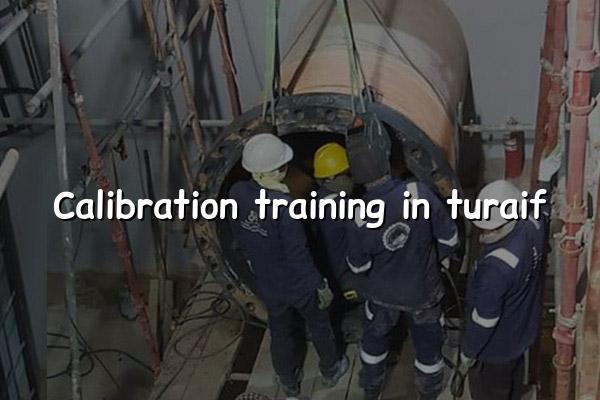
Calibration training in Turaif helps your team handle instruments with more discipline, better records and less guesswork. If you manage a workshop, plant or QA desk, this page gives you a clear idea of what the training covers and how it supports day-to-day work.
We see this need often in Saudi industrial sites where people inherit mixed instrument fleets, shifting maintenance schedules and a growing paper trail. Our approach is simple: teach the people who touch the tools how to work in a way that suits ISO/IEC 17025 expectations, site reality and the pressure of live production work.
What calibration training in Turaif should cover
Good calibration training is not just a classroom talk about terms and definitions. The real value comes when your technicians learn how to choose the right reference, check the instrument condition, record results properly and spot problems before a bad reading spreads through the rest of the work. That matters in Turaif for plants, warehouses, contractor yards and service teams that move between sites in northern Saudi Arabia.
Start with the basics, then make it practical
We usually begin with measurement units, tolerance, uncertainty, traceability and why a certificate means something only when the workflow behind it is sound. Then we move into the hands-on side: checking as-found condition, protecting instruments during handling, using references correctly and writing notes that another technician can trust later. People learn faster when they can connect each point to a real pressure gauge, thermometer, balance or torque tool they already use.
Why managers ask for this course
Most managers do not ask for training because they want theory. They ask because they want fewer repeat checks, cleaner handovers and less back-and-forth when an audit comes around. A short, focused workshop can help your team read certificates better, store instruments properly and understand when an item needs calibration, repair or withdrawal from use. That saves time on the floor and cuts down on avoidable confusion.
- Review the instrument list — we map the actual devices used on your site, from gauges and thermometers to torque tools and electrical test equipment.
- Set the training level — we keep the session useful for technicians, supervisors and QA staff without burying people in unnecessary theory.
- Walk through the workflow — the team learns receiving checks, identification, handling, storage and recordkeeping in a sequence they can repeat.
- Practice with real examples — we use common plant situations so the team can judge pass, fail, adjustment and escalation with more confidence.
- Use a labelled register so instruments do not disappear between maintenance and calibration.
- Keep certificates, tags and serial numbers aligned before any audit or handover.
- Train people to protect references from heat, dust and rough transport on Saudi sites.
- Separate calibration, repair and verification tasks so the records stay clear.
Typical focus areas for calibration training
| Topic area | What the team learns | Why it matters on site |
|---|---|---|
| Traceability | How a reference links back to a trusted standard chain | Helps QA teams defend results during audits and client reviews |
| Certificate reading | How to read as-found data, uncertainty and acceptance limits | Stops people from treating every certificate as if it says the same thing |
| Instrument handling | Cleaning, storage, transport and identification habits | Reduces damage and avoids mix-ups between similar tools |
| Workflow control | Receiving, tagging, booking, return and status updates | Keeps production, maintenance and QA teams on the same page |
How the training supports Saudi teams and GCC projects
In Turaif and nearby industrial zones, people often work with a mixed set of instruments across maintenance, construction support and inspection tasks. Training gives your team a shared language, which helps when one group uses pressure gauges, another handles electrical test sets and a third is dealing with temperature or dimensional tools. That shared language matters even more when a client expects ISO/IEC 17025-aligned discipline and proper documentation.
What changes after a strong session
You usually see better tagging habits, fewer arguments over certificate details and more confidence when a supervisor asks where a reading came from. Teams also become quicker at spotting instruments that need repair, recheck or replacement. That kind of judgment is hard to fake, and it makes the day run smoother.
Useful for plant rooms, workshops and QA desks
We tailor sessions for people who work around pressure instruments, temperature devices, torque tools, electrical test gear and general maintenance records. If your team needs onsite delivery in Saudi Arabia, we can keep the training practical and tied to the equipment you actually use.
Training topics that reduce mistakes later
The best sessions spend time on the boring parts that cause the biggest problems later. That means date control, asset identification, instrument status labels, out-of-tolerance handling and knowing when to stop using a device. If a team learns those basics well, the rest of the calibration process gets easier to manage.
We also talk about how to work with external calibration providers, what to check before sending an instrument away and what to review when it comes back. In our experience, that is where many repeat issues start. A device leaves the site with poor identification or incomplete notes, and the whole cycle becomes harder than it needs to be.
Keep the workflow tidy
Good habits are simple. Mark the item clearly, keep the serial number visible, protect the accessories and file the certificate where the right people can find it. Small things. Big payoff.
- Teach staff to compare model number, serial number and asset tag before booking.
- Use one status system for in-service, under calibration, damaged and rejected items.
- Make sure certificates are stored where maintenance and QA can reach them fast.
- Review handling rules for instruments sent between Turaif, Dammam and other Saudi sites.
How Mayon Industrial Services Can Help
We run calibration, inspection, mechanical support and training for industrial teams that need work done properly the first time. If you want calibration training in Turaif that is tied to real instruments, real records and real site conditions, our team can build the session around your operations, not around a generic slide deck.
Call +91 99447 80844 (India) or +966 59 633 8012 (Saudi Arabia), email services@mayonservices.com, or message us on WhatsApp.
Frequently Asked Questions
It normally covers traceability, certificate reading, handling, storage, recordkeeping and the simple checks technicians should make before they book or return an instrument. We keep it tied to the actual tools your team uses, so people can apply it the same week they get back to work.
Yes. Experienced technicians usually know the tools, but they still benefit from a cleaner method for tagging, checking certificates and keeping records consistent. That is often where the mistakes happen, especially when a site handles mixed instrument types.
Yes, we can shape the content for Saudi plants, contractor teams and maintenance groups that need practical, onsite-ready guidance. We often base the session on the instruments, workflow and paperwork used in the client’s own operation, which makes the discussion more useful.
It does, in a practical way. We explain what traceability, documentation control and proper handling mean in day-to-day work, so your team understands the logic behind the standard instead of memorising terms for a test.
Yes. Our team also handles calibration services, mechanical services, inspection, orbital welding and lab design and setup, so training can connect with the rest of your measurement and maintenance work. That makes the follow-up much easier because you are dealing with one technical partner.
Ready to train your team properly?
If your people need better calibration habits, cleaner records and more confidence with instruments, talk to us and we’ll shape the session around your site.
Contact Mayon