
Cold Cutting Service Company in Abha
Hot-work-free cutting for pipework, flanges and steel structures, planned around live plant constraints in Abha and the wider Saudi industrial belt.
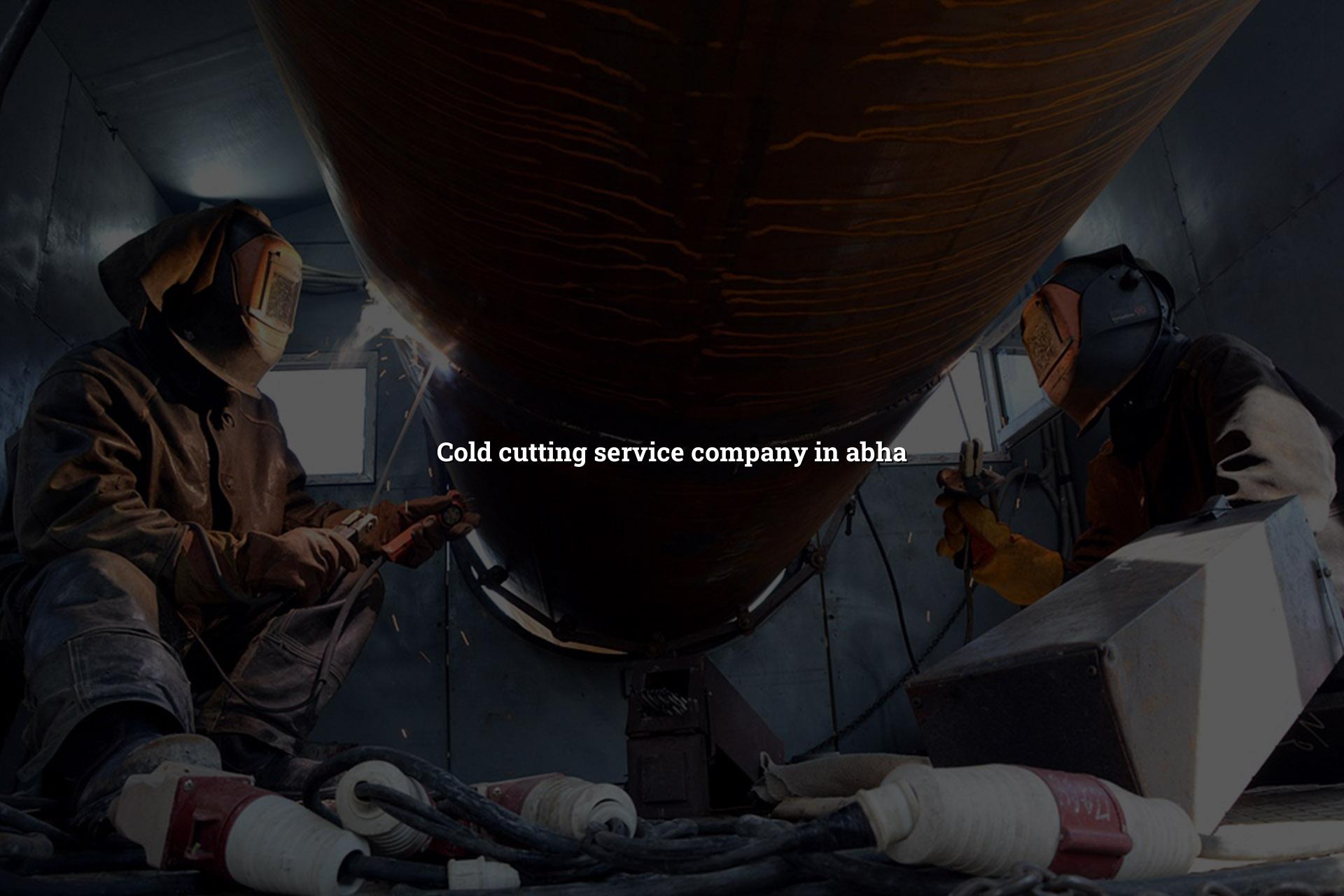
Cold cutting service company in Abha support matters when you need clean metal removal without the heat, sparks or distortion that come with thermal cutting. If you're planning pipe modifications, flange removal or structural changes on an active site, this page shows how we approach the job and what you should ask before you release a shutdown window.
We work with industrial teams that need controlled cutting on pressure lines, skids, steel frames and access-restricted plant areas, especially where safety permits, finish quality and restart planning all sit on the same checklist. From our Saudi operations in Dammam Industrial City 2, we support Abha and nearby project sites with methods that suit oil and gas, utilities, manufacturing and maintenance contracts.
Cold Cutting Service Company in Abha for Safer Shutdown Work
When a client asks for a cold cutting service company in Abha, the real question is usually about control. They want to remove a section of pipe, vessel nozzle, duct or steel member without damaging nearby coatings, seals, gaskets or instruments. In practice that means planning the cut line, checking access, isolating the area and using equipment that keeps heat affected zones out of the picture.
Why hot-work-free cutting is preferred
We see this most often on maintenance shutdowns, tie-ins and retrofit work where an open flame would add risk or trigger extra controls. Cold cutting helps on live industrial sites because it reduces the chance of ignition, keeps sparks away from surrounding assets and leaves a more predictable edge for the next stage, whether that is welding, flange replacement or temporary blanking.
What we look at before starting
Our team checks material thickness, the line contents, nearby services and the finish required after cut. A carbon steel pipe in a utility corridor is not treated the same as a stainless spool inside a process area, and a simple straight cut is very different from a cut that must preserve alignment for reassembly. In Abha, where many projects sit on tight schedules and constrained access, that preparation saves time later.
- Survey the work zone — confirm the cut location, access path, lift plan and isolation points before any tool comes in.
- Identify the material and condition — note wall thickness, surface corrosion, coating type and any nearby sensitive equipment.
- Select the cold cutting method — choose the right setup for pipe, flange, profile or structural section so the edge stays usable.
- Execute and verify — make the cut, check squareness or fit-up, then hand over the area with the next task in mind.
- Use cold cutting where spark control matters more than speed.
- Plan for pipe, flange, skid and structural cuts with the next assembly step already defined.
- Keep the cut line clear of seals, instrumentation and coated surfaces that could be damaged by heat.
- Ask for onsite execution when moving heavy spools or frames would add handling risk.
Cold Cutting Options for Common Industrial Jobs
| Job type | Main benefit | Typical use case |
|---|---|---|
| Pipe section removal | Cleaner edge with less heat input | Maintenance shutdowns and tie-ins on process lines |
| Flange cutting | Reduced risk to nearby gaskets and seals | Replacement work where the old flange must come out intact |
| Structural steel cutting | Lower distortion at the cut face | Platform mods, supports and access changes on plant structures |
| Skid or frame modification | Better control in tight spaces | Equipment retrofit work inside crowded utility or process areas |
How We Keep the Job Controlled in Abha
Every site has its own rules, but the logic stays the same: isolate the work, protect nearby assets and keep the cut predictable. In Abha and the surrounding Saudi industrial areas, that often means working around plant permits, access restrictions and tight coordination with maintenance supervisors. We plan for those constraints before we arrive, not after the crew is standing at the line.
Where the method fits best
Cold cutting is a strong choice for shutdown work in oil and gas, petrochemical units, power facilities, factories and infrastructure projects where surface finish and line integrity matter. It is also useful when the downstream task is inspection, re-welding or replacement, because the cut face is easier to prepare and measure. That makes the handover cleaner for the next trade.
Practical job planning, not guesswork
We look at geometry, access, isolation and the next operation in the sequence. If the piece has to be moved out of a congested plant bay, we factor that in too. It sounds basic. It usually isn't.
What Clients Usually Ask Us to Cut
Process piping and spools
Teams often need a section removed for replacement, rerouting or inspection access. We keep the focus on fit-up, cleanliness and the condition of the surrounding pipework so reassembly is simpler.
Flanges, brackets and supports
These jobs sound small until the steel is tied into a live system. The cut has to be neat, and the adjacent surface should stay ready for the next operation without extra rework.
Frames, access steel and skids
Modifications on skids and frames often sit in crowded locations. Cold cutting helps reduce disturbance around mounted equipment, cable routes and nearby mechanical assemblies.
How Mayon Industrial Services Can Help
We support cold cutting jobs with the same discipline we bring to calibration, mechanical services and inspection work. That means site planning, controlled execution and a crew that understands shutdown pressure, live-plant restrictions and the need for a clean handover. If your scope also includes flange work, hydrotesting, commissioning or adjacent verification, we can line up the right team around the same visit.
Call +91 99447 80844 (India) or +966 59 633 8012 (Saudi Arabia), email services@mayonservices.com, or message us on WhatsApp.
Frequently Asked Questions
Usually maintenance managers, shutdown planners and project teams who can't afford heat, sparks or distortion near the work zone. We see it on pipework, skids, flanges and structural jobs where the next step depends on a clean cut face. It is also a common ask when the site is still active and extra hot-work controls would slow everything down.
For many live plant jobs, yes. You avoid heat input, reduce the chance of ignition and keep nearby coatings and equipment safer. The right choice still depends on the job, but once safety and fit-up matter more than raw cutting speed, cold cutting is usually the cleaner option.
Yes, and that's one of the most common uses. The key is matching the method to the diameter, wall thickness and the condition of the item being removed. For flange work, we also think about what sits beside the cut so the mating surface and connected parts stay in good shape.
Yes. We support onsite work for industrial clients in Abha and across Saudi Arabia through our local operations in Dammam Industrial City 2. That matters when the part is too large to move easily or when the plant team wants the work done in place with the right isolation and handover sequence.
Have the material type, approximate dimensions, site access limits and the reason for the cut ready. If the item is part of a live system, share the isolation plan and any permit requirements too. That helps us scope the job properly and avoid wasting your shutdown window.
Yes, and that is often the smarter way to do it. We can coordinate cold cutting with flange work, hydrotesting, testing and commissioning, inspection or repair tasks so the job follows one planned sequence instead of bouncing between contractors.
Ready to plan the cut properly?
If you need a controlled cold cutting job in Abha, talk to a team that understands plant conditions, shutdown pressure and the next step after the cut.
Contact Mayon