
Cold Cutting Service Company in Marjan
Safe, spark-free cutting for live plants, maintenance shutdowns and controlled work near hydrocarbons.
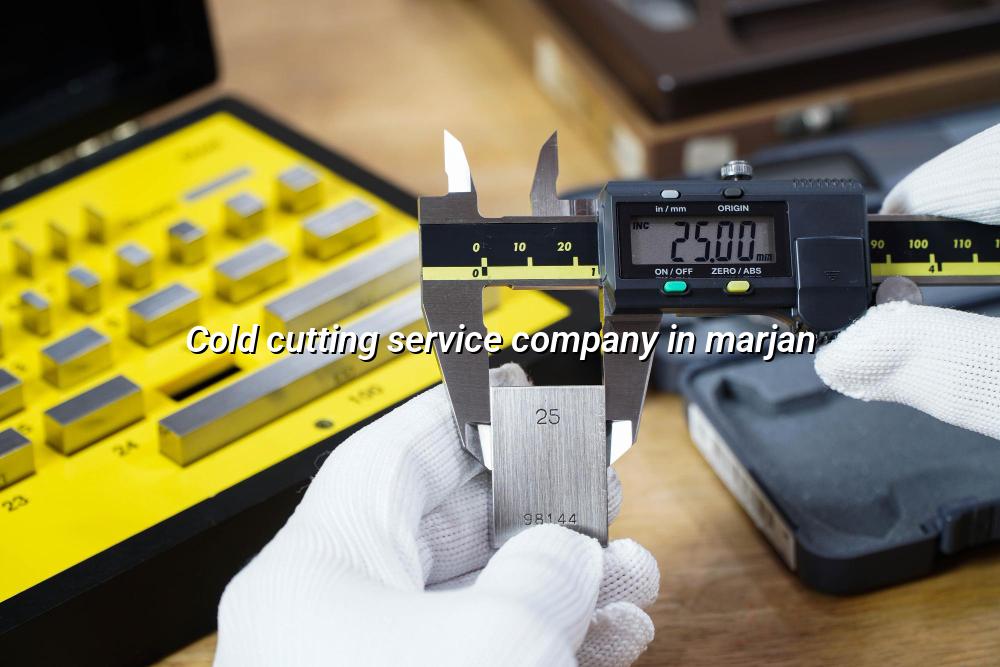
Cold cutting service company in Marjan work is usually needed when hot work just won't fit the job. You may be dealing with hydrocarbon lines, tie-ins, tank modifications, or a shutdown window where heat, sparks, and smoke are simply not welcome. We help you cut cleanly, safely, and with less interruption to the plant.
At Mayon Industrial Services, we support Marjan-area projects with controlled cutting for pipework, structural steel, and maintenance tasks that need accuracy more than flame. Our teams work with the discipline plant managers expect in Saudi Arabia's oil and gas environment, and we keep the job focused on safety, fit-up, and the next step in the repair sequence.
Cold cutting service company in Marjan for plant work that can't wait
In Marjan and the wider Saudi Eastern Province, most requests come from oil and gas, petrochemical, and utilities teams that need work done around live systems. Cold cutting is the right choice when you want to avoid heat-affected zones, reduce the risk of ignition, and keep adjacent equipment protected during replacement or modification. It's also a practical option for shutdown work where the cut has to be neat enough for immediate preparation, welding, or flange work.
Where cold cutting helps most
We see it used on pipe spools, structural sections, corroded clamps, supports, and equipment that needs controlled removal inside tight plant spaces. In one job, the issue is access; in another, the issue is the product inside the line. The method changes with the material, wall thickness, and surrounding hazard controls, so the setup matters as much as the cut itself.
What our crew checks before work starts
Before any blade, saw, or non-sparking cutting setup goes near the asset, we look at isolation, work permits, nearby services, line condition, and the sequence after cutting. That keeps the cut usable, not just finished. If the next step is flange facing, hydrotesting, or a welded tie-in, we plan for that from the start instead of leaving you with a rough opening that needs rework.
- Review the work scope — confirm the asset, the material, the cut location, and what has to happen after removal.
- Check site safety controls — verify permits, isolation points, and the surrounding area before tools are brought in.
- Select the cutting method — match the setup to the pipe size, structural profile, access limits, and product sensitivity.
- Cut with fit-up in mind — keep the edge clean and the remaining section ready for repair, welding, or replacement.
- Suitable for hydrocarbon-adjacent jobs where hot work needs more control
- Useful for maintenance shutdowns, tie-ins, and planned removals
- Helps reduce distortion compared with uncontrolled thermal cutting
- Supports pipe, structural steel, supports, and equipment modifications
Cutting methods used for Saudi plant maintenance
| Method | Typical use | Main benefit |
|---|---|---|
| Cold cutting | Pipe removal, structural sections, live-plant maintenance | Reduces heat exposure and supports spark-free work |
| Flame cutting | Open-yard fabrication where hot work is allowed | Fast on thicker steel, but needs stronger hot work control |
| Mechanical sawing | Controlled straight cuts on pipe and profiles | Good edge quality and predictable fit-up |
| Manual grinding only | Light trimming, deburring, edge preparation | Useful for finishing, not for full section removal |
Why the right setup matters before the first cut
Cold cutting is never just about removing metal. The real value is in protecting the asset around it, keeping the area safe for crews, and leaving a clean profile for the repair that follows. In Marjan, where oil and gas maintenance often sits inside tight shutdown windows, that preparation saves a lot of trouble later.
Good cutting means less rework
When the cut face is square, the remaining section is stable, and the work zone is kept under control, your welders, fitters, and QA team can move faster with fewer surprises. That matters on tie-ins, spool replacement, support modification, and flange-related repairs. A sloppy cut can turn a simple maintenance task into an extra shift of cleaning and correction.
Built for plant conditions
We plan for access restrictions, equipment isolation, nearby lines, and the next stage of the job. That includes the realities of Saudi site work: the permit system, coordination with operations, and the need to keep work tidy around active assets.
How we approach cold cutting in Marjan
Our team keeps the sequence practical. We do the planning first, then the cutting, then the handover to the next trade. That sounds simple, but on site it avoids a lot of the usual friction between maintenance, operations, and QA.
For plant owners and contractors, the aim is a clean removal with fewer variables. If the job leads into flange work, hydrotesting, or testing and commissioning, the first cut should support that chain, not disrupt it.
- Site review — we confirm the asset, access path, and nearby hazards before mobilization.
- Method selection — we choose the tool and sequence based on material, thickness, and live-plant constraints.
- Execution — we complete the cut with attention to edge condition, stability, and surrounding protection.
- Post-cut check — we inspect the result so the repair crew can continue without delays.
- Planned with operations and maintenance teams, not in isolation
- Suitable for shutdown, turnaround, and emergency repair work
- Supports pipe, skids, supports, and structural steel applications
- Can be coordinated with flange facing, hydrotesting, and commissioning support
Frequently Asked Questions
It's a controlled cutting method used where heat, sparks, or flame are a poor fit for the job. In oil and gas plants, that usually means pipework, structural pieces, or equipment near live systems. The aim is to remove material safely and leave a clean end for the next step.
Yes, in the right conditions and with proper site controls. We still review the permit system, isolation, access, and nearby hazards before starting. The method is chosen to suit the plant's risk profile, not just the material on the bench.
We commonly see pipe, structural steel, supports, and related maintenance items. The exact setup depends on the wall thickness, access, and the cut quality you need for repair or replacement. If the material is part of a critical line, we plan the sequence more carefully.
Yes, that's one of the most common reasons clients call us. Shutdown work needs clean coordination because there isn't much room for rework. We keep the scope tied to the repair plan so the next crew can continue without wasting time on edge cleanup or corrective work.
Send us the site location, the item to be cut, the material, and any permit or access limits you already know about. You can use our request-quote page or contact us directly by phone, WhatsApp, or email. The more detail you share upfront, the easier it is to plan the right crew and method.
How Mayon Industrial Services Can Help
We handle cold cutting alongside the work that usually follows it: flange work, hydrotesting, testing and commissioning, inspection, and mechanical repair. That lets you bring one team into the job instead of juggling multiple contractors who don't always hand over cleanly. For Marjan sites, that practical coordination matters just as much as the cut itself.
Call +91 99447 80844 (India) or +966 59 633 8012 (Saudi Arabia), email services@mayonservices.com, or message us on WhatsApp.
Need controlled cutting for your Marjan site?
Share the asset details, location, and work window, and we'll help you plan the cut around the job that comes next.
Contact MayonWhen you need a cold cutting service company in Marjan, you want a crew that understands both the plant risk and the repair sequence. That's how we work at Mayon Industrial Services: careful setup, clean execution, and support that fits real site conditions in Saudi Arabia and the wider Middle East.