
Cold Cutting Service Company in Turaif
Spark-free cutting for pipes, steel, and plant assets where heat, fumes, and hot-work permits are a problem.
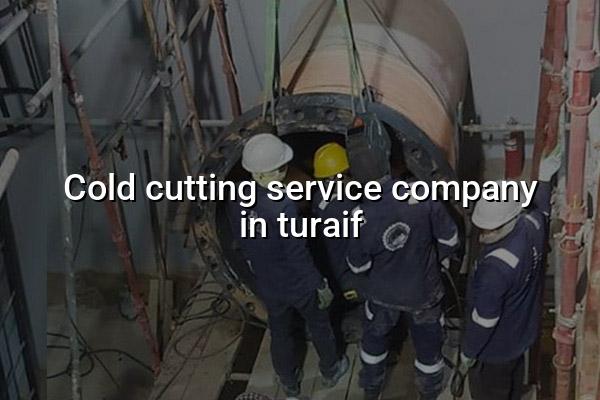
Cold cutting service company in Turaif searches usually come from teams that need a clean cut without heat, sparks, or extra risk around live plant equipment. That is exactly where this service helps. You get controlled separation of pipe, plate, and structural sections while keeping the worksite safer and easier to manage.
We support shutdown teams, maintenance crews, and fabrication contractors working in Saudi Arabia's northern industrial corridor, where access, permits, and site conditions can change fast. Our mobile capability helps us reach Turaif, and our mechanical work is built around real plant needs: tight spaces, sensitive lines, and jobs that have to be done with less disruption.
Cold Cutting Service Company in Turaif for Plant Work That Needs Control
Cold cutting means removing or sectioning metal without using an open flame and without the heat-affected issues that come with hot work. In practical terms, that matters when you're working near hydrocarbons, in utility corridors, around electrical rooms, or inside areas where welding and grinding would trigger more paperwork than the job can afford. For many industrial managers in Turaif, the real value is simple: the cut needs to be accurate, the area needs to stay controlled, and the shutdown window needs to stay focused.
Where cold cutting makes the most sense
We usually see requests for pipe removal, skid modifications, vessel tie-in preparation, flange sectioning, and structural dismantling before maintenance or replacement work. In refinery, petrochemical, power, and heavy maintenance settings, it also helps when a section has to be removed before hydrotesting, bolt work, or flange facing. The method is especially useful where heat can damage coating, nearby instruments, or any component that should stay untouched.
Why site teams ask for it first
Most clients don't ask for a process name. They ask for a result: no flame, less risk, and a neat cut that won't create extra cleanup. That's a fair request. A good cold cutting crew plans around access, line isolation, work permits, lifting support, and whether the final piece needs to be lifted out in one section or broken down in stages. The more awkward the location, the more valuable a controlled cutting method becomes.
- Inspect the work area — we check access, line routing, nearby services, and the removal path before anything starts.
- Confirm isolation and permit conditions — the job is reviewed against site safety rules, permit needs, and any restrictions on hot work.
- Select the right cutting method — the crew matches the tool and setup to pipe size, material, thickness, and how the section will be removed.
- Cut and manage the extraction — the section is removed in a controlled way so adjacent assets stay protected.
- Useful for hydrocarbon areas where sparks are a concern.
- Helps reduce heat distortion around sensitive lines and coatings.
- Works well for shutdowns where removal has to be neat and planned.
- Fits plant maintenance, fabrication changes, and dismantling work.
- Can be paired with flange work, testing, or commissioning support.
Job Planning Checklist for Cold Cutting in Turaif
| Planning item | What we check | Why it matters |
|---|---|---|
| Material and thickness | Pipe, plate, or structural section size and condition | Helps choose the right cutting approach and support method |
| Area constraints | Access, overhead clearance, adjacent equipment, and lifting path | Reduces the chance of damage during removal |
| Safety controls | Permit status, isolation needs, gas checks, and site rules | Keeps the job aligned with plant safety expectations |
| Post-cut work | Whether flange work, testing, or commissioning follows next | Lets the team sequence the work without rework |
How a Clean Cut Protects the Rest of the Job
A rough cut can create more work than the original task. It can leave burrs, distort the cut edge, or force the fabrication crew to spend time correcting a part that should have been ready for removal. For maintenance teams, that means more time in the area and more exposure to site risk. A proper cold cutting setup keeps the focus on controlled removal, clean separation, and less disturbance to the surrounding assets.
What our teams watch during execution
We pay attention to alignment, stability, and how the removed section will be handled after the cut. If the piece is still tied into a live structure, the support plan matters as much as the cut itself. In our experience, the jobs that go best are the ones where the crew checks everything before the first pass and doesn't rush the lift or separation.
Made for shutdown teams and maintenance crews
Cold cutting is often one part of a bigger sequence. A site may need isolation, cutting, flange work, hydrotesting, and commissioning support all in one controlled package. That is where coordination matters. We build our work around the real order of events, not around a generic checklist that looks tidy on paper and fails on site.
What You Can Expect from a Cold Cutting Job
The scope depends on the job, but the aim stays the same: remove the section cleanly and keep the rest of the plant safe. That may include pipe cutting, structural section removal, preparation for replacement spools, or dismantling around equipment that cannot take heat. When the work is planned correctly, the next crew can move in without fighting ugly edges, warped surfaces, or avoidable cleanup.
Because Mayon Industrial Services works across mechanical services, inspection, orbital welding, and testing support, we understand how one task affects the next. A cut that looks fine from a distance may still create trouble for fit-up, welding, or reinstallation if the geometry is off. We keep that in mind from the first measurement to the final handover.
- Pipe and tube sectioning for maintenance or replacement.
- Structural dismantling where heat use is not suitable.
- Removal work around flanges, skids, and plant supports.
- Preparation for follow-on welding, testing, or commissioning.
Cold Cutting Service Company in Turaif With Practical Site Support
Our team works with clients who need real plant support, not just a quick tool-on-metal job. We can coordinate with mechanical shutdown work, testing, and related site tasks so the cutting phase fits into the wider maintenance plan. That matters in Turaif and across Saudi Arabia, where industrial sites often run on tight windows and every extra trip costs time.
Common situations we see on site
Some jobs start with a damaged section that must be isolated and removed. Others are planned in advance as part of a plant modification or equipment replacement. Either way, the main thing is the same: the cut has to be controlled, the surrounding system has to stay protected, and the follow-on work has to start from a clean base.
Useful when documentation and handover matter
Industrial clients often need more than a finished cut. They need a job that fits site requirements, supports QA expectations, and leaves the work area ready for the next step. That is why we keep communication clear and practical. No drama. Just the work, done properly.
How Mayon Industrial Services Can Help
If you need a cold cutting service company in Turaif, we can support the job with the mechanical discipline and site sense that industrial work demands. Our team also handles hydrotesting, flange work, bolt torquing, testing and commissioning, inspection, and related maintenance tasks, so the cutting phase fits into the bigger project instead of sitting alone. We work from Saudi Arabia and India, and we understand the expectations that come with oil and gas, petrochemical, power, and heavy maintenance sites. If your work needs a controlled spark-free cut, talk to us and we'll help you plan it right.
Call +91 99447 80844 (India) or +966 59 633 8012 (Saudi Arabia), email services@mayonservices.com, or message us on WhatsApp.
Frequently Asked Questions
It's used when you need to remove pipe, plate, or structural steel without flame and without the heat effects of welding or grinding. In Turaif, that usually means maintenance, shutdown, tie-in preparation, or dismantling work around active plant areas. The main benefit is control: the cut is cleaner, and the surrounding equipment stays safer.
Yes. We commonly see it on pipe sections, flange-adjacent work, and spools that need to be removed before replacement or testing. The exact method depends on access, size, thickness, and how the section will be lifted out afterward.
In many situations, yes, because it avoids open flame and reduces the chance of heat-related damage. That said, the job still needs proper isolation, permits, and site controls. The best choice depends on the area classification, what is nearby, and what the plant allows.
We do. That's one of the most common times clients request it, because the work often has to be done quickly and in a controlled sequence. We can coordinate with related mechanical tasks so the cut, removal, and follow-on work stay aligned.
Send us the site location, what needs to be cut, the material type, and any constraints you already know about. From there, we can discuss the work scope and plan the right support. The easiest starting point is our contact page or a quote request.
Ready to plan the cut properly?
If the job in Turaif needs a controlled, spark-free approach, we can help you get the scope right before the first tool is used.
Contact Mayon